How to Prune Sand hickory?
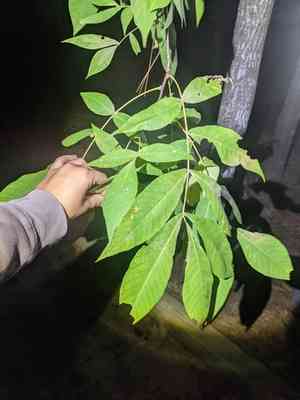
This shedding tree, recognized for its elevated, narrow structure and rough bark, significantly benefits from trimming in late winter or early spring. Trim sand hickory by excising deceased, ailing, or congested branches to foster robust development and air movement. Reducing the density of the crown facilitates light access and preserves its inherent silhouette. Exercise restraint when pruning, as extensive removal can cause strain to sand hickory. Consistent upkeep pruning boosts vitality and extends the tree's lifespan, rendering it more resistant to ecological pressures.
What Are the Benefits of Pruning Sand Hickory?
What Are the Benefits of Pruning Sand Hickory?
Trimming sand hickory encourages robust development and maintains its form, improving overall vitality and appearance. Careful reduction manages size and fosters a sturdy framework less susceptible to illness.
What Is the Best Time for Pruning Sand Hickory?
What Is the Best Time for Pruning Sand Hickory?
Trimming sand hickory during late winter or early spring is recommended as this coincides with the plant's dormant phase, which typically occurs when cold weather diminishes sap flow. This timing helps reduce stress and the potential for disease entry. Late winter pruning ensures wounds heal quickly with the emergence of new growth in spring. Early spring pruning is also suitable, providing an opportunity to remove any winter damage before new growth begins, ensuring the plant's energy is directed towards healthy branches. Avoid pruning during late spring or summer as this is sand hickory's active growth period, and pruning could disrupt flowering and fruit development.
What Tools Do I Need to Prune Sand Hickory?
Bypass Hand Pruners
Perfect for making precise cuts on branches up to 3/4 inch thick. Excellent for detailed work on sand hickory's smaller branches and young trees.
Lopping Shears
Suitable for cutting through thicker branches, typically up to 2 inches in diameter. Essential for managing sand hickory's mature branches.
Pruning Saws
Designed to cut through branches larger than 2 inches in diameter. A necessary tool given sand hickory's potential for significant limb growth.
Pole Pruners
Useful for reaching elevated branches without needing a ladder. These will accommodate the height of mature sand hickory trees.
Hedge Shears
Not advised for sand hickory as they are better suited for shaping hedges rather than the dense wood of sand hickory.
How to Prune Sand Hickory
Clean tools
Sanitize pruning implements before beginning to prevent the spread of disease to sand hickory. Use a bleach and water solution or rubbing alcohol to thoroughly clean the blades.
Dead wood
Identify and remove dead wood from sand hickory. Cut at the point of origin, or back to a main stem or trunk, ensuring not to harm healthy tissue.
Diseased limbs
Remove diseased limbs from sand hickory. Make cuts into healthy, unaffected tissue to stop the progression of illness. Dispose of diseased material away from healthy plants to avoid contamination.
Weak branches
Thin out weak branches from sand hickory to improve air circulation and light penetration. Select branches that are overly crowded, spindly, or rub against each other.
Wound care
Apply pruning sealant to larger wounds on sand hickory to protect against insect infestation and disease. If possible, make cuts at an angle to facilitate water runoff from the cut surface.
Common Pruning Mistakes with Sand Hickory
Overpruning
Removing too much foliage at once, which can stress sand hickory, leading to weak growth or increased vulnerability to pests and diseases.
Flush cut
Making a cut flush against the trunk can remove the branch collar, resulting in poor healing and an increased risk of decay.
Stub cut
Leaving too long of a stub when cutting branches can invite decay and does not promote proper healing.
Torn bark
Incorrect cutting technique leading to torn bark, which can cause lasting damage to sand hickory.
Tools
Using dull or dirty tools can make imprecise cuts, harm sand hickory, and introduce diseases.
Random cuts
Random or unguided cuts without understanding the growth pattern of sand hickory can lead to an unattractive form and weaker plant health.
Common Pruning Tips for Sand Hickory
Sanitation
Always use clean, sharp tools to make precise cuts and prevent the spread of diseases in sand hickory.
Cut angle
Cut branches at a slight angle, just above a bud or branch to encourage proper water runoff and reduce the risk of decay.
Branch collar
Prune just outside the branch collar without damaging it to promote faster healing and reduced risk of disease.
Visual inspection
Conduct a careful inspection of sand hickory to identify dead, diseased, or crossing branches before making any cuts.
Growth habit
Understand sand hickory's growth habit to determine the shape and structure that support its health and flowering.
Moderate pruning
Apply moderate pruning to ensure that you don't remove more than necessary, preserving the energy stores of sand hickory.
Post prune care
After pruning sand hickory, provide adequate water and consider the application of a balanced fertilizer to support recovery.



