How to Prune Shagbark hickory?
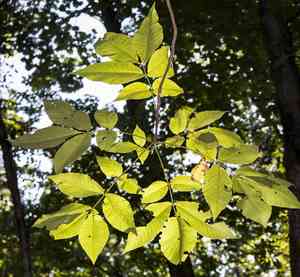
Celebrated for its exfoliating bark and edible nuts, Carya ovata greatly benefits from judicious trimming. Essential methods include excising deceased or ailing branches, reducing dense growth to enhance light exposure and airflow, and shaping for structural integrity. The most favorable period for pruning is in late winter or early spring, while the tree is dormant yet prior to the emergence of new foliage. This timing prevents the oozing of sap and minimizes strain, fostering superior recovery and robust spring development for Carya ovata.
What Are the Benefits of Pruning Shagbark Hickory?
What Are the Benefits of Pruning Shagbark Hickory?
Trimming shagbark hickory promotes robust development and helps preserve its unique form, ensuring the tree stays healthy and visually appealing. Regular cutting can prevent branch congestion and enhance air circulation, lowering disease risk.
What Is the Best Time for Pruning Shagbark Hickory?
What Is the Best Time for Pruning Shagbark Hickory?
Late winter and early spring are ideal for pruning shagbark hickory as these periods precede its active growth phase. Pruning during dormancy minimizes plant stress and reduces sap leakage, which can attract pests and diseases. It also facilitates better wound recovery once growth resumes. Furthermore, the absence of leaves during these times offers clearer visibility and access to the plant's structure, allowing for more accurate cuts. Avoid pruning shagbark hickory in late spring or early summer, as this can remove new growth and decrease nut production.
What Tools Do I Need to Prune Shagbark Hickory?
Hand Pruners
Perfect for trimming small branches and twigs on shagbark hickory saplings or young trees. Opt for bypass pruners that create clean cuts without crushing plant tissues.
Loppers
Best for larger stems and branches up to 2 inches in diameter, providing the necessary leverage to prune the thicker growth of a mature shagbark hickory.
Pruning Saw
Essential for removing larger branches from mature shagbark hickory trees, a sharp saw makes cleaner and more efficient cuts than other tools.
Pole Pruner
Enables gardeners to reach higher branches of shagbark hickory without using a ladder. It's crucial for safety and precision when pruning this tall species.
Chainsaw
For very thick branches or when removing large limbs or sections of shagbark hickory, a chainsaw may be necessary. Should only be operated by those experienced with this powerful tool to ensure safety and prevent tree damage.
Protective Gear
Especially when operating a chainsaw or at elevated heights. Gloves, eye protection, and a hard hat can help prevent injuries during the pruning process of shagbark hickory.
How to Prune Shagbark Hickory
Step1: Tool Preparation and Sanitation
Prepare your tools. Ensure all pruning equipment (such as pruning shears, loppers, and saws) are clean and sharp to avoid tearing the bark or introducing disease to shagbark hickory. Sanitize tools with a solution made from one part bleach to nine parts water.
Step2: Assessment and Selection of Branches
Assess shagbark hickory before pruning. Note that healthy shagbark hickory trees require little pruning and should be pruned to maintain a strong structure and remove the unwanted parts.
Step3: Dead Wood Removal
Remove dead wood first. This is wood that's no longer producing foliage and is typically dry and brittle. Cut the dead branch back to the point where it meets healthy, living tissue, making the cut just outside the branch collar without damaging it. Remove completely if the entire branch is dead, using an undercut then a top cut to avoid tearing the bark.
Step4: Diseased Limbs Elimination
Identify and remove diseased limbs. These are often discolored, swollen, or have unusual growths. Make cuts into healthy, living tissue well below the diseased areas to prevent the spread of disease, and always clean your tools after cutting diseased material before moving on to the next cut.
Step5: Damaged Branches Trimming
Trim damaged branches that are broken or split but not yet dead or diseased. These can become entry points for disease and pests. Cut these back to the nearest lateral branch or bud that is facing outwards, promoting outward growth and preventing future damage.
Step6: Avoidance of Tree Topping
Avoid topping shagbark hickory, which involves cutting back the main branches to stubs. This weakens the tree, encourages poor growth patterns, and increases the risk of decay. Instead, aim to maintain its natural form for optimal health and aesthetics.
Step7: Selective Shaping Technique
Shape shagbark hickory minimally. As shagbark hickory has a naturally attractive shape, extensive shaping is not necessary. Only remove branches that disrupt the natural symmetry or compete with the main leader.
Step8: Crown Thinning for Air Flow
Thin the crown to improve air circulation. Remove some of the smaller branches from the outer canopy to allow light and air to penetrate, which helps to reduce the risk of disease. Be careful not to over-thin, as this can stress shagbark hickory.
Step9: Natural Healing without Sealant
Sealant is not recommended for shagbark hickory as the tree heals best when left to its own natural processes. Allow the tree to form a callous naturally over the pruning cuts to prevent disease.
Step10: Proper Disposal of Pruning Debris
Dispose of all trimmed material properly, especially if it's diseased. Do not compost it as it may harbor pests or diseases. Burning or proper municipal disposal is recommended.
Step11: Post-Pruning Monitoring and Watering
After pruning, monitor shagbark hickory for signs of stress or disease. Ensure that the tree is well-watered, especially in dry conditions, as pruning can sometimes increase the need for water.
Step12: Optimal Seasonal Timing for Pruning
Prune shagbark hickory during the right season. Late winter to early spring, while the tree is still dormant, is typically the best time to prune as it promotes vigorous growth in the spring, and the wounds heal faster.
Post-Pruning Care for Shagbark Hickory
Post-Pruning Care for Shagbark Hickory
Following pruning, shagbark hickory requires careful watering to maintain soil moisture without waterlogging. Optimize light exposure to support photosynthesis while shielding from extreme conditions. Maintain moderate humidity and avoid sudden temperature shifts. Apply a balanced, slow-release fertilizer to aid recovery, and adjust based on growth response. Regularly inspect for pest infestation or pruning wounds infection; apply appropriate fungicide or insecticide if needed. Monitor for wilting or discoloration, indicating stress, and adjust care accordingly.
Common Pruning Mistakes with Shagbark Hickory
Ignoring Plant's Natural Shape
Disregarding the natural form of shagbark hickory when pruning, which can lead to a weakened structure and increased susceptibility to damage.
Excessive Pruning of Canopy
Over-pruning, which involves removing too much of the tree canopy at once, can stress shagbark hickory and reduce its vigor.
Improper Branch Collar Cutting
Cutting branches flush against the trunk can cause damage to the collar and lead to disease and decay on shagbark hickory.
Bark Tearing with Poor Technique
Tearing or ripping bark during pruning cuts, which can occur from improper use of tools or techniques and can lead to long-term health issues for shagbark hickory.
Not Sterilizing Pruning Tools
Failing to sterilize pruning equipment before use on shagbark hickory, which can spread disease from infected plants to healthy ones.
Common Pruning Tips for Shagbark Hickory
Use Sharp and Clean Tools
Utilize sharp, clean pruning tools to make precise cuts on shagbark hickory, which help promote fast healing and prevent disease.
Preserve Structural Integrity
Prune to maintain the structural integrity of shagbark hickory, removing only dead, diseased, or crossing branches that could lead to future problems.
Angular Cuts for Growth Direction
Make cuts at a slight angle away from the bud to encourage proper growth direction and prevent water from collecting at the cut site on shagbark hickory.
Retain Branch Collar During Pruning
Retain the branch collar when removing larger branches to ensure proper healing and reduce the risk of decay on shagbark hickory.
Canopy Thinning Without Over-Pruning
Thin out the canopy of shagbark hickory if necessary, but do not remove more than 25% of the canopy in a single pruning session to avoid over-stressing the tree.



