How to Prune Annual caraway?
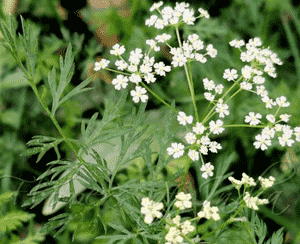
This biennial plant flourishes in ample sunlight and adequately drained earth, yielding umbelliferous floral groupings prized for their gastronomic and therapeutic applications. Effective trimming for annual caraway entails excising faded blossoms to deter spontaneous reseeding and trimming back leaves to preserve the plant's form. Perform pruning in spring to eliminate cold-weather harm, in summer to deadhead blooms, and in autumn to neaten the specimen. Consistent trimming can boost the plant's robustness and foster better air movement, thereby lowering the likelihood of ailments.
Advantages of Trimming Annual Caraway
Advantages of Trimming Annual Caraway
Trimming annual caraway promotes more robust, abundant flowering, stimulates growth, and maintains its desired shape. Consistent cutting helps annual caraway focus energy on producing vibrant blossoms while keeping a neat form.
Optimal Time for Pruning Annual Caraway
Optimal Time for Pruning Annual Caraway
Pruning in Spring aligns with annual caraway's post-dormancy energy surge, aiding quick recovery and vigorous development. Early Summer pruning is suitable after flowering, encouraging seed production and preventing the plant from becoming leggy. Avoid Fall pruning to prevent weakening annual caraway before its dormant phase.
Tools Required for Pruning Annual Caraway
Hand Pruners
For annual caraway, hand pruners are perfect for reducing foliage and cutting stems for harvesting. Since annual caraway is an herb and typically lacks thick or woody stems, bypass hand pruners are well-suited for making clean, precise cuts without harming delicate stems.
Scissors
Garden or sharp household scissors can also be used for annual caraway for less intensive pruning, such as deadheading or minor shaping. Scissors offer precise control, essential for working with smaller plants like annual caraway.
Thinning Shears
If annual caraway needs thinning to improve air circulation, thinning shears can be an appropriate tool to selectively remove some stems without altering the plant's overall structure.
How to Prune Annual Caraway
Sanitation
Before pruning annual caraway, ensure all tools are cleaned and sterilized to prevent disease transmission.
Diseased Leaves
Carefully check annual caraway for any diseased leaves. Use precision shears to remove these leaves by cutting at the stem's base, being careful not to harm healthy tissue.
Withered Leaves
Identify and trim withered or dead leaves on annual caraway at their base to encourage healthy growth and better air circulation. Cut just above the leaf node to stimulate new growth.
Withered Flower
Remove annual caraway's withered flowers to prevent the plant from expending energy on seed production. Snip the flower heads above the nearest set of healthy leaves.
Cleanup
After pruning annual caraway, gather and discard all pruned material to reduce the risk of pests or diseases lingering. Compost healthy material but dispose of any diseased or infested cuttings.
Common Pruning Errors with Annual Caraway
Excessive Pruning
Removing too much foliage from annual caraway can hinder its ability to photosynthesize effectively and may stress the plant, leading to reduced vigor and fewer seeds.
Incorrect Cutting Technique
Using dull or dirty pruning tools can create jagged cuts more prone to disease. Clean, sharp cuts are crucial for quick healing of pruning wounds.
Neglecting To Prune
Failing to remove dead or yellowing foliage can leave annual caraway susceptible to pests and diseases, which can spread to new growth.
Pruning Internodes
Cutting annual caraway at the internodes instead of just above the leaf nodes can result in awkward regrowth patterns and may fail to encourage branching and bushier growth.
Pruning At Wrong Time
While the exact timing has been excluded, pruning at inappropriate times in the growth cycle can impede annual caraway's development or reduce its yield.
General Pruning Advice for Annual Caraway
Selective Pruning
Focus on thinning out dense areas of annual caraway to improve air circulation and sunlight penetration, especially in the plant's center. This helps prevent fungal diseases and promotes balanced growth.
Cut Above Leaf Nodes
Prune just above the leaf nodes, as this will encourage healthier regrowth. Targeting the nodes prompts annual caraway to develop more stems, leading to a fuller plant.
Sanitize Tools
Before and after pruning annual caraway, clean and sterilize all cutting tools. This reduces the risk of transmitting diseases between plants and ensures clean cuts that heal efficiently.
Consistent Maintenance
Regularly inspect annual caraway for dead or yellowing leaves and remove them promptly. This ongoing care can prevent the need for extensive, corrective pruning later.
Prune With Purpose
Before cutting annual caraway, have a clear objective, such as shaping the plant or removing dead tissue. Unnecessary cuts can expose the plant to infection and hinder its growth.



