How to Prune Safflower?
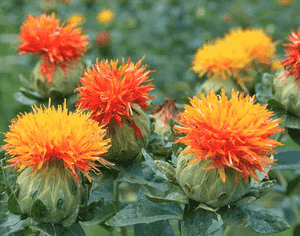
This arid-adapted, oil-yielding botanical specimen flourishes in drier environments. For Carthamus tinctorius, trim to eliminate lifeless or frail stalks, foster air circulation, and sculpt the vegetation. The optimal period for pruning extends from early spring through late autumn, coinciding with its vigorous development stage. Trimming guarantees more robust development, reduces the likelihood of ailments, and could improve flower aesthetics. Proceed cautiously to preserve the fundamental framework of Carthamus tinctorius during cutting.
Advantages of Trimming Safflower
Advantages of Trimming Safflower
Trimming safflower promotes more vigorous development and aids in maintaining a desired form. It is crucial for improving air circulation, lowering disease risk, and fostering a strong framework for enhanced blooming and seed yield.
Optimal Period for Trimming Safflower
Optimal Period for Trimming Safflower
Trimming in early spring is advantageous as it readies safflower for the upcoming growth period by eliminating any dead or damaged branches, which can help stimulate new growth and improve overall plant vitality. This timing also avoids cutting the plant during its blooming phase, which typically starts in late spring, thereby not impacting the plant's capacity to produce flowers and subsequent seeds. Late autumn trimming is also suitable as safflower has finished its life cycle by this point. Any dead or damaged growth from the season can be removed before winter, decreasing the likelihood of disease and pest infestation. Trimming at this time ensures that the plant's energy is conserved for the next growing season rather than supporting unnecessary or unhealthy growth during dormancy.
Necessary Tools for Trimming Safflower
Hand Pruners
For precise cuts on safflower's slender stems, hand pruners or secateurs are perfect. They enable clean cuts that encourage healthy regrowth.
Pruning Shears
For swift trimming of safflower's foliage and deadheading faded blooms, pruning shears are effective and provide a crisp cut.
Gloves
To safeguard hands from safflower's thorns or rough leaves, quality gardening gloves are essential.
Long-handled Loppers
For reaching taller safflower specimens or for branches that are difficult to access, long-handled loppers offer extended reach and leverage.
Garden Knife
For any detailed work or to split safflower's stems for propagation, a sharp garden knife is an appropriate instrument.
How to Trim Safflower
Step1: Identifying Trimmable Plant Parts
Examine safflower for old branches, withered flowers, and diseased sections. These are your primary targets for trimming. Ensure you can clearly distinguish the parts that require removal without harming the plant's healthy growth.
Step2: Selecting Appropriate Trimming Tools
Choose the correct tools for trimming safflower. Hand pruners or shears should be clean and sharp to make precise cuts and prevent damage to the remaining plant parts.
Step3: Trimming Wilted Flowers
Start by trimming withered flowers. Cut the flower stem just above the first set of healthy leaves, ensuring to remove the entire head to prevent seed formation if not desired, and to encourage further blooming.
Step4: Removing Old Branches
Next, trim old branches. These might be blocking light and air from reaching younger, productive parts of the plant. Cut these branches at their base or where they connect to a main stem, making a clean, angled cut to promote healing and water runoff.
Step5: Excising Diseased Plant Material
Identify and remove any diseased sections. Make cuts well below the affected area, disposing of diseased material promptly and safely to prevent pathogen spread.
Step6: Shaping the Plant After Trimming
After removing unwanted parts, step back and assess safflower's shape. If necessary, perform light shaping by trimming misplaced branches. Aim to maintain an even, aesthetically pleasing form that allows sunlight to penetrate and air to circulate.
Step7: Cleaning Trimming Debris
Clear away all debris from the trimming process to prevent potential disease or pest issues. Compost healthy plant material, following local guidelines, if feasible.
Step8: Tool Disinfection After Trimming
Sanitize your tools with a bleach or alcohol solution to prevent the spread of diseases between plants before storing them.
Step9: Post-Trimming Plant Monitoring
Observe safflower after trimming for signs of new growth and health, providing water and nutrients as needed to support recovery and encourage productivity.
Post-Trimming Care for Safflower
Post-Trimming Care for Safflower
After trimming safflower, water immediately to lessen stress. Maintain a well-lit environment, avoiding direct, harsh sunlight. Keep temperatures between 68-80°F and humidity moderate. Apply a balanced fertilizer to support new growth. Monitor safflower for wilting or discoloration, signs of stress or infection, and implement suitable plant health treatments if such symptoms appear. Consistent, gentle care is crucial for safflower's recovery and thriving.
Common Trimming Errors with Safflower
Excessive Trimming Can Shock Plants
Trimming too much can shock safflower, potentially leading to reduced blooming or even plant demise. It's vital to only trim what's necessary for plant health and form.
Avoid Dull or Dirty Trimming Tools
Using dull or unclean trimming tools can harm safflower's stems, leaving jagged cuts vulnerable to disease or pests. Always use clean, sharp tools for a precise cut.
Excessive Leaf Removal Reduces Photosynthesis
Removing too many leaves during trimming can impede safflower's ability to photosynthesize efficiently, which can hinder growth and reduce blooming.
Do Not Cut Too Close to Growth Nodes
Cutting too near the main stem or buds can damage the plant's growth nodes, which can decrease future growth and flower production.
General Trimming Advice for Safflower
Trim Dead Stems to Boost Healthy Growth
When trimming safflower, focus on removing dead or weak stems to encourage the growth of strong, healthy ones. This helps redirect the plant's energy to its most vigorous parts.
Thin Out to Enhance Airflow and Light
Thin out crowded areas to improve air circulation and light penetration in the center of safflower, which can lower the risk of fungal diseases and promote more uniform blooming.
Angle Cuts Above Buds for Desirable Growth
Make angled cuts just above new buds or leaf nodes to encourage safflower to grow in a more desired shape and direction. The angle helps prevent water from accumulating on the cut surface, reducing disease risk.
Post-Flowering Trimming May Encourage Reblooming
After flowering, trimming safflower can stimulate a second bloom in certain climates. Focus on removing spent blooms and shaping the plant to maintain aesthetics and plant health.



