How to Prune Loose-flower hornbeam?
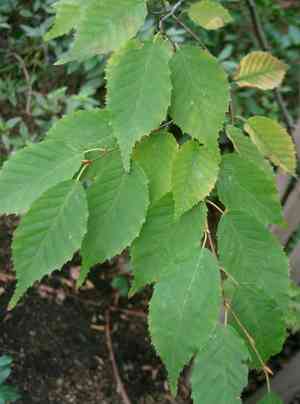
Characterized by its open flower groupings and delicate leaves, loose-flower hornbeam flourishes with yearly trimming. The best periods are early spring or late winter, prior to the emergence of new shoots. Concentrate on eliminating deceased, injured, or intersecting branches to preserve an airy crown. Consistent trimming aids in boosting air movement, light access, and general plant well-being. Verify that sharp, sanitized implements are employed to execute precise cuts, thereby reducing avenues for pathogen infiltration. Appropriate pruning accentuates loose-flower hornbeam's inherent form and stimulates robust development.
What Are the Benefits of Pruning Loose-flower Hornbeam?
What Are the Benefits of Pruning Loose-flower Hornbeam?
Trimming loose-flower hornbeam promotes vigorous development and maintains its form, ensuring improved air circulation and sunlight exposure. This encourages a healthier structure, reduces pest and disease risk, and enhances its overall look.
What Is the Best Time for Pruning Loose-flower Hornbeam?
What Is the Best Time for Pruning Loose-flower Hornbeam?
Trimming loose-flower hornbeam in early spring or late winter is ideal as these times precede the plant's active growth phase. Pruning during dormancy, just before new growth starts, helps minimize plant stress and boosts its natural recovery. This timing also allows for the removal of dead or damaged branches without disrupting loose-flower hornbeam's flowering or fruiting cycles, ensuring healthier growth and improved structural integrity.
What Tools Do I Need to Prune Loose-flower Hornbeam?
Hand Pruners (Secateurs)
Perfect for precise cuts on smaller branches, typically up to 1/2 inch in diameter. Essential for shaping and removing dead or diseased wood.
Lopping Shears
Required for cutting through thicker branches, usually up to 1-2 inches in diameter. Useful for larger pruning tasks without needing a saw.
Pruning Saw
Recommended for branches exceeding 2 inches in thickness. A folding or fixed-blade saw will help achieve clean cuts, reducing plant stress.
Pole Pruner
Helpful for reaching higher branches without a ladder. Ensures safety and delivers accurate cuts on elevated limbs.
Bypass Pruners
Delivers clean cuts without crushing plant tissue, which is crucial for the healthy development of loose-flower hornbeam.
How to Prune Loose-flower Hornbeam
Assessment
Examine loose-flower hornbeam to identify and mark dead and diseased branches. Pay close attention to signs like discoloration and lack of leaves to differentiate between healthy and unhealthy parts.
Safety
Ensure you use clean, sharp pruning shears or a saw. Sanitize your tools before and after use to prevent disease transmission.
Diseased removal
Begin by removing all diseased branches first. Cut back to healthy wood, ensuring you prune just above a healthy bud or branch junction to aid healing.
Dead removal
Proceed to cut off dead branches. Make clean cuts at the branch collar to help the tree recover properly. Avoid leaving stubs, as they can become entry points for pests and diseases.
Cleanup
Gather and dispose of all pruned material promptly. Diseased branches should be discarded far from the plant to prevent re-infection. Optional: Apply a wound dressing if advised by local horticultural guidelines.
Common Pruning Mistakes with Loose-flower Hornbeam
Improper cutting
A common error is making incorrect cuts, such as leaving stubs or cutting too close to the main stem. This can lead to disease entry and poor healing.
Over pruning
Gardeners might remove too much at once, which can stress the plant and hinder its growth. Removing more than a third of the plant's foliage at one time is generally ill-advised.
Incorrect cmdy branch removal
Removing the wrong branches, especially those vital for structure, can compromise the plant's overall shape and health.
Pruning at wrong angle
Cuts should be made at a slight angle to prevent water from accumulating on the cut surface, which can cause decay.
Chopping top
Some may attempt to 'top' the plant, which involves cutting off the top of the tree or shrub. This can result in weak growth and an unattractive appearance.
Common Pruning Tips for Loose-flower Hornbeam
Clean tools
Always ensure your pruning tools are sharp and clean to make precise cuts and prevent the spread of disease.
Light pruning annually
Perform light pruning yearly to maintain shape and encourage healthy growth, improving airflow through the branches.
Focus on dead wood
Start by removing any dead, diseased, or damaged wood. This helps keep the plant healthy by preventing disease spread.
Thin out dense areas
Thinning out crowded areas of the plant can enhance light penetration and air circulation, promoting better overall health.
Cut 45 degree angle
When making cuts, especially on larger branches, do so at a 45-degree angle to facilitate quicker healing and prevent water buildup.
Maintain natural shape
Aim to preserve the natural form of loose-flower hornbeam. Avoid drastic alterations to its shape as this could stress the plant.



