How to Prune Japanese hornbeam?
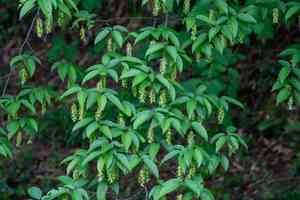
Originating from Japan, the deciduous Carpinus japonica is recognized for its appealing, toothed foliage and gracefully arching limbs. Trimming should prioritize preserving its inherent structure, eliminating deceased or intersecting branches, and fostering air circulation. The ideal period for pruning Carpinus japonica is from late winter to early spring, prior to the emergence of fresh shoots. This schedule assists in the plant's recovery and vitality, lessens strain, and refines its visual appeal. Consistent trimming also deters ailments by enhancing air movement throughout the crown.
What Are the Benefits of Pruning Japanese Hornbeam?
What Are the Benefits of Pruning Japanese Hornbeam?
Trimming japanese hornbeam promotes robust development and helps preserve its desired form. Regular cutting eliminates dead or weak limbs, improving plant vitality and visual appeal.
What Is the Best Time for Pruning Japanese Hornbeam?
What Is the Best Time for Pruning Japanese Hornbeam?
Pruning japanese hornbeam in late winter or early spring is optimal, as this period avoids the year's coldest temperatures, reducing plant stress. Late winter pruning prepares japanese hornbeam for new growth, typically starting in spring, allowing the plant to recover quickly from cuts and direct energy into producing healthy new shoots. This timing also minimizes the risk of disease, which is more common in warmer, wetter conditions of late spring and summer. Additionally, since japanese hornbeam usually flowers in mid to late spring, pruning earlier enables the plant to develop buds for blossoms and leaves in the subsequent growing season without interruption.
What Tools Do I Need to Prune Japanese Hornbeam?
Bypass Pruners
Perfect for making precise cuts on smaller branches of japanese hornbeam without crushing plant tissues, which is crucial for the plant's well-being.
Loppers
These are suitable for cutting thicker branches (up to 1.5 inches in diameter), typical of japanese hornbeam's sturdy growth. Their extended handles provide leverage for easier, clean cuts.
Pruning Saw
Essential for removing even thicker branches that bypass pruners and loppers cannot manage. The finer teeth are better for hardwoods like japanese hornbeam, ensuring smoother cuts that help prevent disease.
How to Prune Japanese Hornbeam
Clean tools
Before pruning japanese hornbeam, clean and sanitize all pruning tools. This prevents disease spread and ensures clean cuts. Use a bleach or alcohol solution to wipe down blades.
Identify
Identify dead or diseased branches on japanese hornbeam. These often appear dry, brittle, and may show discoloration or signs of fungal infection.
Cut diseased branches
Carefully remove diseased branches by cutting at least a few inches into healthy wood beyond the affected area. Ensure cuts are made just above a leaf node or bud to encourage healthy regrowth.
Cut dead branches
Prune dead branches by cutting close to the trunk or main branch, without cutting into the collar (the swollen area where the branch meets the trunk). This helps japanese hornbeam heal faster and prevents disease entry.
Dispose
Properly dispose of all removed dead and diseased branches. Do not compost, as this could spread disease. Burn or discard in waste removed from the site.
Common Pruning Mistakes with Japanese Hornbeam
Over-pruning
Removing too much at once can cause stress and reduce the vigor of japanese hornbeam. It's vital not to remove more than 25-30% of the foliage in any single pruning session, as this can hinder japanese hornbeam's ability to photosynthesize effectively.
Inappropriate tool use
Using dull or dirty pruning tools can result in jagged cuts that harm japanese hornbeam and make it more vulnerable to diseases. Ensuring tools are sharp and disinfected is crucial for clean cuts that heal quickly.
Neglecting form
Failing to consider the natural shape and structure of japanese hornbeam during pruning can lead to a less attractive appearance and potentially harm the plant's health. Maintaining the natural form is essential for optimal growth and aesthetics.
Improper timing
Removing branches or leaves at the wrong time can expose japanese hornbeam to certain stresses, impeding its growth or flowering capabilities. Although this prompt excludes specific seasonal timing, maintain consistency in proper timing.
Common Pruning Tips for Japanese Hornbeam
Monitor growth
Regularly check the development of japanese hornbeam to determine when pruning might be necessary. Pruning should be considered when you notice dead, damaged, or overgrown branches to maintain health and aesthetics.
Selective thinning
Focus on thinning out crowded branches to improve light penetration and air circulation throughout the canopy of japanese hornbeam. This helps enhance the strength and longevity of the tree by fostering a strong structure.
Cutting technique
Make cuts close to a node where a leaf attaches to the branch. This allows japanese hornbeam to heal more quickly and reduce the chance of disease. Angle the cuts to prevent water from collecting on the cut surface, which promotes rotting.
Use proper tools
Utilize sharp, clean pruning shears for smaller branches and a pruning saw for thicker branches. This ensures clean cuts that heal quickly and reduce stress on japanese hornbeam, enhancing the overall health and appearance of the plant.



