How to Prune Common hornbeam?
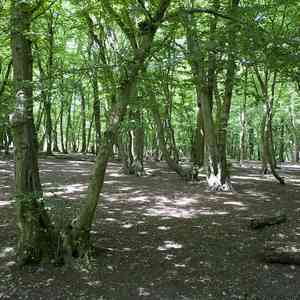
A deciduous tree recognized for its robust timber and toothed foliage, the common hornbeam thrives with judicious trimming to preserve its form and stimulate vigorous development. Perform pruning in late winter or early spring prior to leaf emergence. Eliminate deceased or intersecting limbs to prevent illness and foster air circulation. Reducing the density of the crown periodically improves light access and structural integrity. Refrain from extensive cutting to retain the inherent silhouette and lessen strain on the tree.
What Are the Benefits of Pruning Common Hornbeam?
What Are the Benefits of Pruning Common Hornbeam?
Trimming common hornbeam promotes robust development and helps maintain its desired form. Eliminating dead or crowded branches improves air circulation and light exposure, crucial for the plant's overall vitality and visual appeal.
What Is the Best Time for Pruning Common Hornbeam?
What Is the Best Time for Pruning Common Hornbeam?
Late winter and early spring, prior to the emergence of new growth, are considered optimal periods for pruning or trimming common hornbeam. During these seasons, the plant remains dormant, minimizing stress and the likelihood of disease transmission. Pruning at this time also enables gardeners to better shape the plant, as the absence of leaves offers a clear view of its structure. Furthermore, any cuts made will heal more rapidly in the upcoming growing season, fostering healthier development. It's important not to prune too early in winter to prevent damage from harsh weather, and not too late in spring to avoid cutting off new growth, which can diminish the plant's vigor.
What Tools Do I Need to Prune Common Hornbeam?
Hand Pruners
Common hornbeam typically requires precise cuts to remove dead or unwanted branches. Hand pruners are perfect for severing branches up to 3/4 inch in diameter, ensuring clean cuts that encourage healthy regrowth.
Loppers
For branches that are somewhat larger, generally between 3/4 inch and 2 inches in diameter, loppers provide the necessary leverage and cutting force without harming common hornbeam's branches.
Pruning Saws
When dealing with common hornbeam's mature branches exceeding 2 inches in diameter, pruning saws are essential. They allow for accurate and efficient cutting of larger wood without damaging the tree.
Hedge Shears
If shaping informal hedges or achieving a formal look is desired for common hornbeam, hedge shears are the correct choice. They facilitate easy trimming and shaping of hedges.
Pole Pruner
For reaching higher branches of common hornbeam without using a ladder, pole pruners extend the gardener's reach and offer a safe method to trim branches at elevated positions.
How to Prune Common Hornbeam
Sanitation
Before beginning, sterilize your pruning tools to prevent the spread of disease to common hornbeam.
Identification
Examine common hornbeam for any dead or diseased branches; these will often appear discolored, shriveled, or show signs of fungal growth.
Cutting dead branches
Carefully prune dead branches by cutting them where they meet healthy wood. Make a clean cut at a slight angle to promote water runoff and prevent rot.
Removing diseased branches
Eliminate diseased branches by cutting well into the healthy tissue, at least several inches below the affected parts to ensure all infected material is removed.
Cleanup
After pruning, gather and dispose of all removed branches far from common hornbeam to reduce the risk of reinfection or pest infestation.
Common Pruning Mistakes with Common Hornbeam
Overpruning
Removing too much foliage from common hornbeam at once can stress the plant, lead to fewer leaves and branches, and impair its natural shape.
Improper cut location
Cutting too far from a bud or node on common hornbeam can result in dead stubs that attract pests and disease, while cutting too close can damage the bud.
Using dull tools
Dull pruning tools can cause jagged cuts that are more susceptible to disease and can harm common hornbeam's health.
Neglecting tool cleanliness
Failing to sanitize tools between cuts can spread disease from infected parts of common hornbeam to healthy ones.
Ignoring branch structure
Cutting without attention to common hornbeam's branch structure may result in a weakened, less aesthetically pleasing form.
Pruning during active growth
Pruning common hornbeam when it is actively growing can interrupt its natural growth cycle and lead to less vigorous plants.
Flush cutting
Making flush cuts against the trunk can remove the branch collar, increasing the risk of decay in common hornbeam.
Common Pruning Tips for Common Hornbeam
Selective thinning
Remove specific branches to open up the canopy of common hornbeam, which encourages healthy airflow and light penetration.
Sharp tools
Always use sharp, clean pruning shears to make clean cuts that common hornbeam can heal from more efficiently.
Angled cuts
Make cuts at a 45-degree angle above buds or branches on common hornbeam, ensuring that water runs off the cut surface to reduce the risk of disease.
Gradual pruning
Prune common hornbeam incrementally, especially if reshaping or size reduction is necessary, to avoid shocking the plant.
Protect tree structure
Preserve the natural architecture of common hornbeam by cutting just outside the branch collar without leaving a large stub or damaging the trunk.
Removal of dead material
Regularly remove dead, diseased, or damaged branches from common hornbeam, which will improve the plant's health and appearance.
Prune for shape
For a tailored aesthetic, such as a hedge or topiary, carefully sculpt common hornbeam while considering its growth patterns and maintaining its health.



