How to Prune Berkeley sedge?
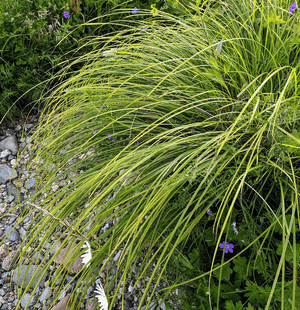
This perennial, which forms dense clusters and resembles grass, flourishes in shaded areas and is recognized for its gracefully arching, vibrant green leaves. For berkeley sedge, remove aged, damaged foliage in early spring or during winter to stimulate new development. If revitalization is needed, cut back the leaves to soil level. Performing these trimming tasks during these periods reduces strain on berkeley sedge and optimizes its verdant look. Thoughtful trimming improves air movement and preserves its neat visual appeal, fostering the plant's general strength and well-being.
What Are the Benefits of Pruning Berkeley Sedge?
What Are the Benefits of Pruning Berkeley Sedge?
Trimming berkeley sedge ensures a neat shape, especially useful for garden aesthetics. Strategic cuts encourage stronger, denser growth, leading to a healthier and more attractive look.
What Is the Best Time for Pruning Berkeley Sedge?
What Is the Best Time for Pruning Berkeley Sedge?
Pruning berkeley sedge in early spring aligns with its growth cycle as it exits dormancy, preparing for new growth. Trimming then promotes healthier, denser leaves and maintains its desired form. Winter pruning is also suitable since berkeley sedge is dormant, reducing plant stress, preventing overgrowth, and removing dead or damaged leaves without affecting blooms, as berkeley sedge lacks a distinct flowering season.
What Tools Do I Need to Prune Berkeley Sedge?
Hand Pruners
Perfect for cutting individual leaves or thin stems of berkeley sedge, allowing precise trimming of dead or overgrown foliage without harming the rest of the plant.
Grass Shears
Excellent for shaping and trimming the grass-like leaves of berkeley sedge, especially for efficiently cutting larger clumps while preserving the plant's natural form.
Sharp Scissors
Useful for delicate trimming of berkeley sedge when removing specific leaves or refining the plant's shape, enabling a gentle and controlled cut.
How to Prune Berkeley Sedge
Select Tools
Choose sharp, clean scissors or hand pruners designed for delicate trimming tasks to prevent damage to berkeley sedge.
Prepare Plant
Wear gloves and gently comb through berkeley sedge's foliage to identify dead leaves and the extent of overgrown areas needing attention.
Trim Dead Leaves
Carefully trim away dead leaves at the base, taking care not to pull them as it may damage healthy parts of berkeley sedge.
Reduce Overgrowth
Prune overgrown foliage by cutting back up to one-third of the plantâs height for a tidier appearance, creating natural-looking clumps that mimic berkeley sedge's growth habit.
Cleanup
Collect and remove all trimmings from around berkeley sedge to minimize the risk of pests and diseases and to maintain a neat growing area.
Common Pruning Mistakes with Berkeley Sedge
Overpruning
Removing too much foliage can stress berkeley sedge, leading to weak growth or an unhealthy plant. Typically, no more than one-third of the foliage should be removed in a single pruning session.
Improper Cut Location
Cutting stems too close or too far from the base can either damage the crown or leave unsightly stem stubs that can invite pests and disease.
Overlooking Health
Failing to remove damaged or diseased foliage can inhibit the growth of berkeley sedge and spread problems throughout the plant.
Inadequate Tool Maintenance
Using dull or dirty tools can cause jagged cuts that are more prone to disease and may harm berkeley sedge rather than promoting healthy growth.
Disregarding Plant Structure
Not considering the natural form of berkeley sedge may lead to unbalanced pruning, affecting the overall aesthetics and vitality of the plant.
Common Pruning Tips for Berkeley Sedge
Selective Cutting
Practice selective cutting to remove only the oldest and most tired-looking foliage of berkeley sedge, which encourages fresh growth without compromising plant health.
Sterile Practices
Always use clean, sharp tools for pruning berkeley sedge to prevent the spread of disease and to make clean cuts that heal more rapidly.
Even Reduction
Thin out berkeley sedge's foliage evenly across the plant to maintain a natural appearance and avoid bare spots that may take time to fill in.
Observation First
Assess berkeley sedge thoroughly before pruning to identify which areas are overgrown or require rejuvenation, ensuring that pruning promotes the plant's best shape and health.
Cutting Angle
Make cuts at an angle that allows water to run off, which can help prevent rot and disease in the dense foliage of berkeley sedge.



