How to Prune Distant-flowered sedge?
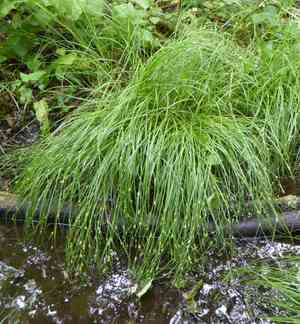
A perennial grass that favors moisture, distant-flowered sedge flourishes in shaded, moist environments, characterized by its delicate, pendulous floral spikes. Trimming requirements are slight: eliminate deceased leaves in early spring to stimulate new development. Throughout the winter season, cut back withered flower stalks to preserve neatness and deter ailments. This trimming practice boosts vitality and creates room for emerging shoots, enabling distant-flowered sedge to thrive with invigorated strength in its favored humid settings. Optimal pruning guarantees visual attractiveness and plant wellness without demanding extensive upkeep.
What Are the Advantages of Trimming Distant-flowered Sedge?
What Are the Advantages of Trimming Distant-flowered Sedge?
Trimming distant-flowered sedge promotes robust development and assists in preserving its desired form. Strategic cuts enhance air circulation, lowering disease risk and encouraging denser foliage.
When Is the Optimal Time for Trimming Distant-flowered Sedge?
When Is the Optimal Time for Trimming Distant-flowered Sedge?
For the species distant-flowered sedge, the best periods for pruning or trimming are early spring and winter. In early spring, distant-flowered sedge has not yet started its rapid growth phase, making it an appropriate time to prune without stressing the plant. This timing allows gardeners to remove any damaged or dead foliage from the winter, fostering healthier and more vigorous spring growth. Pruning in winter, when distant-flowered sedge is dormant, minimizes the risk of disease transmission and the impact on plant health, as the plant is less metabolically active. Additionally, the absence of foliage provides better visibility for making precise cuts. Pruning during these seasons also avoids disrupting distant-flowered sedge's flowering period, ensuring that the aesthetic and ecological contributions of its flowers are preserved.
What Tools Are Necessary to Prune Distant-flowered Sedge?
Pruning Shears
For distant-flowered sedge, sharp, handheld pruning shears are ideal. These enable precise cuts that can remove old or damaged foliage without disturbing the rest of the plant. It's crucial to make clean cuts to prevent harm to the sedge's delicate structure.
Garden Scissors
Garden scissors can be utilized for thinning and trimming distant-flowered sedge. They are excellent for snipping leaves close to the ground level and can be used to shape the sedge if needed.
Long-Handled Shears
If distant-flowered sedge is planted in a dense cluster, long-handled shears might be beneficial. They offer extended reach and leverage, which can be useful for accessing the center of large sedge clumps without causing undue strain to the gardener.
Gloves
While not a cutting tool, gloves are essential when pruning distant-flowered sedge to protect the gardener's hands from the sharp edges of the sedge leaves.
How to Prune Distant-flowered Sedge
Clean tools
Before pruning distant-flowered sedge, ensure all pruning tools are clean and sharp to prevent disease spread and make precise cuts.
Identify diseased
Inspect distant-flowered sedge closely to pinpoint diseased leaves, which may exhibit spots, discoloration, or rot.
Prune diseased
Carefully prune away diseased leaves by cutting them at the base where they meet healthy tissue, avoiding damage to the plant's crown.
Identify withered
Look for withered leaves, which are typically dry, brown, and may be curled or brittle.
Prune withered
Remove withered leaves by cutting them at the base as close to the ground level as possible, without harming new shoots or the plant's crown.
Common Pruning Errors with Distant-flowered Sedge
Over-pruning
Cutting too much foliage from distant-flowered sedge at once can stress the plant and potentially lead to reduced vigor and less flourishing.
Incorrect cuts
Making cuts that are either too angled or too blunt could harm distant-flowered sedge, potentially inviting pests or diseases, or hindering regrowth.
Using dull tools
Pruning distant-flowered sedge with dull blades can cause jagged cuts that make it difficult for the plant to heal and encourage disease.
Tearing Stems
Pulling or tearing stems during pruning can lead to unnecessary injury to distant-flowered sedge, which can be detrimental to plant health.
Common Pruning Advice for Distant-flowered Sedge
Healthy growth maintenance
Regularly remove dead or yellowing leaves from distant-flowered sedge to promote healthy growth. Use sharp, sterilized pruning tools for clean cuts that help the plant heal quickly.
Shape preservation
Prune distant-flowered sedge lightly to maintain its natural shape, which is generally mounding. Avoid shearing into a tight form, as this can lead to shock and weakened growth.
Stimulate new growth
Snip the tips of the stems of distant-flowered sedge to encourage branching and denser foliage. This light tip pruning can result in a fuller, healthier plant.
Disease control
Inspect distant-flowered sedge periodically and prune away any sections showing signs of disease. Immediate removal and disposal of these parts prevent spreading to healthy growth.



