How to Prune Pennsylvania sedge?
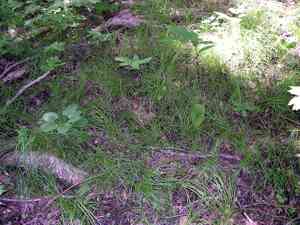
A perennial resembling grass that tolerates shade, pennsylvania sedge flourishes with infrequent trimming to stimulate development and preserve its look. The ideal period for cutting pennsylvania sedge is in early spring or summer, once new leaves have fully developed. Reduce the size of the clusters to several inches above the soil to foster thick, new vegetation. Trimming also aids in managing its expansion and revitalizing older specimens. Consistent elimination of withered foliage boosts plant health and visual attractiveness, simultaneously ensuring adequate air movement to deter illnesses.
What Are the Benefits of Pruning Pennsylvania Sedge?
What Are the Benefits of Pruning Pennsylvania Sedge?
Trimming pennsylvania sedge promotes robust development by channeling energy to healthy shoots, ensuring the plant keeps a compact and desirable shape. Regular cutting helps pennsylvania sedge stay refreshed and visually appealing.
What Is the Best Time for Pruning Pennsylvania Sedge?
What Is the Best Time for Pruning Pennsylvania Sedge?
Pruning in late spring aligns with pennsylvania sedge's post-flowering period, minimizing impact on its bloom and seed production cycle. Early summer pruning is advantageous as it coincides with the start of active growth, allowing pennsylvania sedge to recover quickly and maintain health and vigor. This timing helps avoid stress during winter dormancy and prevents the removal of foliage essential for photosynthesis during peak growing season.
What Tools Do I Need to Prune Pennsylvania Sedge?
Hand Pruners
Pennsylvania sedge typically has delicate foliage and doesn't require heavy-duty implements. Hand pruners with sharp, precise blades are perfect for trimming and shaping, as well as for accurately cutting back any dead or spent foliage.
Grass Shears
For larger clumps or when making uniform cuts across pennsylvania sedge, grass shears can provide a quick and even trim. Their long blades cover more area with each cut, which can be especially helpful with the dense, grass-like nature of pennsylvania sedge.
Garden Scissors
Pennsylvania sedge can benefit from light trimming and thinning. Garden scissors are useful for detailed pruning, allowing for careful removal of selected leaves or stems without disturbing the rest of the plant.
How to Prune Pennsylvania Sedge
Sanitation
Inspect pennsylvania sedge to identify any diseased leaves and stems. Using sterilized pruning tools, carefully remove these parts to prevent the spread of illness.
Cleanup
Identify and trim away any withered or dead leaves from pennsylvania sedge. Make clean cuts to remove only the affected tissue without harming adjacent healthy tissue.
Healthy growth
Thin out the dense areas of pennsylvania sedge by selectively pruning diseased stems. Cut back to the base or to healthy side shoots to encourage airflow and light penetration.
Disposal
Discard the pruned diseased and dead material away from pennsylvania sedge to prevent potential re-infection or issues.
Tool care
Clean and disinfect pruning tools after completing the task to minimize transmission of any pathogens to other plants.
Common Pruning Mistakes with Pennsylvania Sedge
Overzealous pruning
Removing too much foliage from pennsylvania sedge at once can stress the plant and affect its natural growth pattern, leading to reduced vigor and sparse coverage.
Cutting into old growth
Pruning into the old, woody growth of pennsylvania sedge can prevent the plant from rejuvenating effectively. Pennsylvania sedge benefits from light trimming, as it primarily grows new foliage from the soil level.
Uneven trimming
Failing to prune pennsylvania sedge evenly can result in an aesthetically displeasing appearance, as this sedge is known for its fine texture and should maintain a uniform look after pruning.
Ignoring dead foliage
Neglecting to remove the dead or yellowing foliage from pennsylvania sedge can not only affect the appearance but also potentially harbor pests and diseases.
Using dull tools
Pruning pennsylvania sedge with dull blades can damage the foliage, creating jagged cuts that can make the plant more susceptible to disease and pests.
Common Pruning Tips for Pennsylvania Sedge
Sharp tools
Always use sharp, clean scissors or shears to ensure a clean cut when pruning pennsylvania sedge, which helps to prevent damage and possible disease issues.
Light trimming
Since pennsylvania sedge naturally forms a dense mat, it requires only light trimming to remove dead foliage and encourage new growth. Avoid cutting back too severely.
Follow growth patterns
When pruning pennsylvania sedge, follow the natural shape and growth patterns of the plant to maintain its form and encourage a fuller appearance.
Clean up
After pruning, be sure to clean up any removed foliage to maintain a tidy growing area around pennsylvania sedge, which helps to minimize the potential for pests and disease.
Prune for rejuvenation
Gently rake or comb through pennsylvania sedge with fingers or a small rake to remove older, brown foliage and allow sunshine and air to reach the new growth at the soil level.



