How to Prune Drooping sedge?
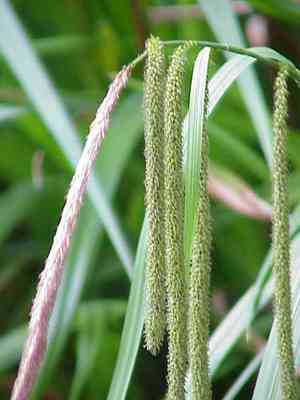
A sturdy, perennial evergreen grass featuring arching blades, Carex pendula benefits from trimming to preserve its form and eliminate withered foliage. Performing this task in early spring or during winter promotes vigorous development. Cut back aged leaves to their origin and snip off any discolored tips. This action stimulates fresh growth, enhances air movement, and improves the aesthetic appeal of Carex pendula. Trimming also manages its dimensions, preventing Carex pendula from dominating smaller flora in the landscape.
What Are the Benefits of Pruning Drooping Sedge?
What Are the Benefits of Pruning Drooping Sedge?
Trimming drooping sedge encourages robust new development, maintaining a compact shape and preventing excessive growth. This practice is crucial for keeping the plant visually appealing and manageable in garden areas.
What Is the Best Time for Pruning Drooping Sedge?
What Is the Best Time for Pruning Drooping Sedge?
Trimming drooping sedge in early spring is advantageous as it precedes the period of new growth, enabling gardeners to shape the plant and remove any dead or damaged leaves accumulated over winter. This timing ensures that drooping sedge can direct its energy towards healthy, new growth, contributing to its overall vitality and aesthetic appeal. Furthermore, early spring pruning minimizes stress on drooping sedge, as the plant is at the start of its active growth phase and can recover quickly. Pruning in winter is also advisable for drooping sedge, as the plant is typically dormant during this season. This allows for easier assessment of the plant's structure without obstruction from fully developed foliage. Additionally, cold-season trimming helps prevent the spread of pests and diseases that may be more prevalent in warmer months. Pruning drooping sedge during dormancy also avoids interfering with the blooming cycle, since drooping sedge flowers in the spring and summer.
What Tools Do I Need to Prune Drooping Sedge?
Hand Pruners
These are essential for cutting through the relatively thin foliage of drooping sedge. They allow for precise cuts, which is important for maintaining the plant's shape and health.
Grass Shears
These are useful for trimming and shaping the edges of drooping sedge when a tidy appearance is desired. Grass shears enable detailed work around the base and are easy to handle.
Garden Scissors
These can be used for deadheading or trimming small, delicate areas of drooping sedge. They offer control for making finer cuts without harming surrounding foliage.
How to Prune Drooping Sedge
Clean tools
Before beginning the trimming process, sanitize your pruning tools with alcohol or a 10% bleach solution to prevent the spread of disease.
Identify
Examine drooping sedge to locate diseased and withered leaves. Diseased leaves might show discoloration, spots, or signs of pest damage, while withered leaves are typically brown and dry.
Trim diseased leaves
Using sharp, clean shears, carefully cut away diseased leaves at their base where they emerge from the stem. Do not tear or rip the leaves as this can cause unnecessary damage to drooping sedge.
Trim withered leaves
Similarly, trim withered leaves at the base, taking care not to cut into the green, healthy tissue of drooping sedge. Clean cuts will help the plant heal faster and prevent further stress.
Disposal
Properly dispose of the removed diseased and withered leaves, far from drooping sedge, to prevent any potential disease spread. Do not compost them as pathogens can survive and affect other plants.
Common Pruning Mistakes with Drooping Sedge
Overpruning
Removing too much foliage at once, which can stress drooping sedge and lead to poor growth or plant death.
Improper tool use
Using dull or dirty pruning tools can damage drooping sedge's stems, potentially introducing disease.
Random cuts
Making cuts without understanding drooping sedge's growth pattern can result in uneven growth and reduce its natural arching appearance.
Pruning live florals
Cutting back the flower stems before they've had a chance to seed can prevent drooping sedge from naturally reproducing.
Ignoring dead foliage
Failing to remove dead or yellowing leaves can hinder new growth and lead to pest and disease issues.
Common Pruning Tips for Drooping Sedge
Selective thinning
Remove selected stems to thin out the clump if it becomes too dense, which encourages airflow and reduces disease risk.
Sterilization
Always use sterilized pruning tools to prevent the spread of disease when cutting back drooping sedge.
Shape maintenance
Prune to maintain drooping sedge's natural shape, cutting back the older, outer stems and allowing the younger, central stems to thrive.
Remove spent stems
After flowering, cut the spent flower stems back to the base to tidy up the plant and encourage new growth.
Healthy growth focus
Prioritize removing dead, diseased or damaged foliage to promote healthy growth and improve the overall appearance of drooping sedge.



