How to Prune Palm sedge?
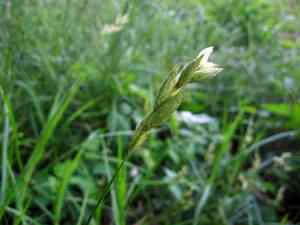
Distinguished by its dense leaves that mimic small palm trees, palm sedge flourishes with regular trimming. Remove aged foliage in early spring prior to the emergence of new shoots, or lightly prune in winter to preserve its form and stimulate more compact groupings. Trimming revitalizes palm sedge and promotes a neat garden aesthetic. Cuts made early in the season result in the most favorable growth reaction, guaranteeing palm sedge stays lively and robust throughout the entire year.
Advantages of Trimming Palm Sedge
Advantages of Trimming Palm Sedge
Trimming palm sedge encourages robust new development and helps maintain its desired shape. Regular cutting fosters a lush, thriving plant by eliminating old or dead leaves, enhancing both its look and vitality.
Optimal Time for Trimming Palm Sedge
Optimal Time for Trimming Palm Sedge
Trimming palm sedge in early spring coincides with the end of its dormant phase, allowing gardeners to clear any winter damage before new growth begins. This timing enables the plant to recover swiftly and direct its energy toward producing fresh, healthy foliage. Winter is another suitable period for trimming palm sedge, as the plant is typically inactive. Pruning during dormancy minimizes stress on palm sedge and reduces the risk of disease transmission or pests being drawn to fresh cuts. Additionally, the absence of leaves during this time offers clearer visibility for making strategic cuts, helping to preserve the plantâs intended shape and promoting more vigorous growth in the subsequent season.
Tools Required for Trimming Palm Sedge
Hand Pruners
For precise trimming of palm sedge, hand pruners are ideal. They enable clean and close cuts, which are beneficial for removing dead or damaged foliage without disturbing the rest of the plant.
Gardening Scissors
Sometimes called snips, gardening scissors provide fine control for thinning palm sedge's foliage. Their small blades are perfect for reaching into dense clumps without causing unnecessary harm to surrounding leaves.
Pruning Shears
When it's necessary to shape palm sedge or manage its spread, pruning shears can quickly handle the more substantial stems. Their long handles provide leverage, allowing for precise cuts with minimal effort.
How to Trim Palm Sedge
Clean tools
Before trimming palm sedge, sanitize pruning tools with a solution of one part bleach to nine parts water to prevent the spread of disease.
Remove diseased
Carefully trim away any diseased leaves from palm sedge, using sharp scissors or pruning shears, to maintain plant health and prevent the spread of infection.
Trim withered
Cut back withered leaves of palm sedge at the base to encourage new growth and improve air circulation within the plant clumps.
Dispose
Properly dispose of diseased and withered foliage; do not compost as it may contain pathogens harmful to palm sedge or other plants.
Mulch
After trimming, apply a thin layer of mulch around palm sedge to help retain soil moisture and suppress weeds without covering the plant's crown.
Common Trimming Errors with Palm Sedge
Over-trimming
Removing too much foliage from palm sedge can stress the plant and hinder its growth. A common mistake is trimming more than one-third of the plant in a single session, which can lead to reduced vigor and sparse foliage.
Dull tools
Using dull or blunt trimming tools can cause tearing or jagged cuts on palm sedge, leading to damage and potential entry points for disease. Properly sharpened tools are essential for a clean cut that promotes quick healing.
Discarding healthy foliage
Novice gardeners often mistake healthy, green growth for needing trimming. For palm sedge, it's important to distinguish between dead or yellowing foliage and healthy growth before trimming.
Incorrect cutting technique
Improper cutting can damage palm sedge's base and limit future growth. Cuts should be made at an angle and above growing points to encourage new shoots.
Trimming for size over health
Trimming palm sedge with the goal of simply reducing size instead of focusing on the plant's health can inadvertently result in a poorly structured plant that's more vulnerable to pests and diseases.
General Trimming Advice for Palm Sedge
Sharp tools
Ensure all trimming tools are sharp and clean before beginning. This helps to make precise cuts that heal quickly, minimizing stress for palm sedge.
Removing dead foliage
Palm sedge benefits from the removal of dead or yellowing leaves, which can promote better air circulation and reduce the likelihood of disease.
Encouraging new growth
Trim palm sedge just above the node from where the leaves sprout to encourage healthy new growth. Avoid cutting into old, woody stems unless removing them entirely.
Shaping
Aim for a naturalistic shape when trimming palm sedge. It should reflect the plantâs inherent growth habit, creating an aesthetically pleasing appearance while maintaining plant health.
Post-trimming care
After trimming, provide palm sedge with adequate water and nutrients to recover. This is especially important to ensure the plant remains vigorous and can compensate for the loss of foliage.



