How to Prune Thin-fruit sedge?
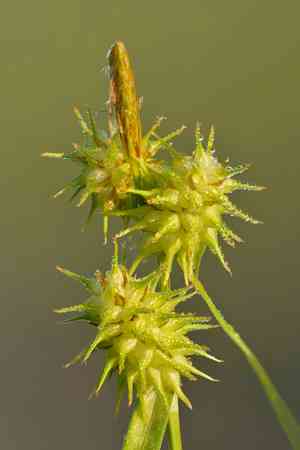
A persistent, evergreen sedge, Carex microdonta is recognized by its grass-like, curving blades and groupings of brown seed pods. The most effective time for trimming is in early spring or during winter to eliminate aged or deceased foliage and encourage robust development. This period coincides with its inactive phase, reducing strain and boosting vitality. Consistent trimming also preserves an appealing look and prevents excessive expansion. Trimming should be performed with sanitized, sharp implements to avert pathogen spread and guarantee accurate incisions.
What Are the Benefits of Pruning Thin-fruit Sedge?
What Are the Benefits of Pruning Thin-fruit Sedge?
Trimming thin-fruit sedge encourages robust development and maintains its desired shape. Consistent cutting prevents congestion and stimulates fresh, healthy shoots, improving both visual appeal and the plant's overall vitality.
What Is the Best Time for Pruning Thin-fruit Sedge?
What Is the Best Time for Pruning Thin-fruit Sedge?
Pruning thin-fruit sedge in early spring is beneficial as it prepares the plant for new growth and revitalization after winter dormancy. This timing allows for the removal of any dead or damaged foliage from winter, promoting healthier and more vigorous spring growth. Winter pruning, ideally before harsh weather, helps maintain the plant's structure and prevents damage from snow or ice accumulation on weak stems. Additionally, since thin-fruit sedge is dormant during winter, trimming at this time minimizes stress on the plant, fostering better health and growth in the upcoming growing season.
What Tools Do I Need to Prune Thin-fruit Sedge?
Hand Pruners
These are excellent for making precise cuts on thin-fruit sedge, helping to maintain its shape and health by removing damaged or overcrowded areas. Their compact size and sharp blades ensure that cuts are clean, which is crucial for the thin foliage of thin-fruit sedge.
Grass Shears
Due to the grass-like nature of thin-fruit sedge, grass shears are ideal for trimming and shaping the plant. They allow for controlled cuts and maintaining an even appearance, necessary for the aesthetic maintenance of thin-fruit sedge.
Gardening Scissors
Gardening scissors are useful for fine tuning and detailed pruning of thin-fruit sedge. They are perfect for snipping off unwanted thin stems and minor shoot tips, ensuring that thin-fruit sedge doesnât become too sparse or overgrown.
How to Prune Thin-fruit Sedge
Identify
Identify and assess the condition of thin-fruit sedge's leaves, focusing on locating diseased or withered ones. Ensure each leaf is closely examined for any signs of discoloration, spots, or decay.
Prepare
Prepare the necessary tools for pruning thin-fruit sedge. Use sharp, clean shears or scissors to ensure clean cuts and prevent the spread of disease. Sterilize the tools before use with a solution of bleach or alcohol.
Cut
Carefully remove diseased and withered leaves from thin-fruit sedge. Cut at the base of the leaf where it connects with the stem or shoot, ensuring not to damage nearby healthy leaves or the main stem.
Dispose
Dispose of the removed leaves properly to prevent the spread of any potential diseases. Do not compost diseased material; instead, seal it in a bag and discard it with household waste.
Monitor
Regularly monitor thin-fruit sedge after pruning for signs of new growth or further signs of distress. This will help in identifying any recurring issues early and maintain the plant's health.
Common Pruning Mistakes with Thin-fruit Sedge
Overpruning
A frequent mistake is removing too much foliage at once, which can stress thin-fruit sedge making it vulnerable to pests and diseases.
Improper tools
Using dull or dirty cutting tools can damage the stems of thin-fruit sedge, impeding proper regrowth and potentially introducing pathogens.
Common Pruning Tips for Thin-fruit Sedge
Selective cutting
Focus on removing dead or damaged foliage to promote healthier growth and improve air circulation around thin-fruit sedge.
Tool maintenance
Ensure tools are sharp and clean before pruning to make precise cuts that heal quickly, minimizing stress on thin-fruit sedge.



