How to Prune Dewey's sedge?
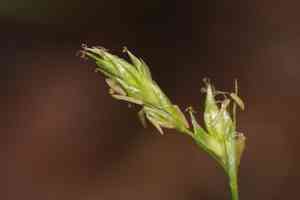
Dewey's sedge, a perennial grass-like plant, flourishes in forested environments, exhibiting characteristic clumping patterns. Perform trimming in early spring or winter to control the dimensions of the clumps and eliminate deceased leaves, thereby improving both development and aesthetic appeal. During these periods, the plant is inactive, which makes it perfect for pruning without causing undue strain. Consistent trimming guarantees robust, thick growth and prevents excessive expansion. Focus on the plant's base, cutting just above the ground level for the best outcomes.
Advantages of Trimming Dewey's Sedge
Advantages of Trimming Dewey's Sedge
Trimming dewey's sedge promotes robust development and helps maintain its desired form. Consistent cutting eliminates dead or weak leaves, fostering a denser, healthier look and improving air circulation within the plant.
Optimal Period for Pruning Dewey's Sedge
Optimal Period for Pruning Dewey's Sedge
Pruning dewey's sedge in early spring, just before its active growth phase, allows the plant to heal quickly from cuts and redirect energy to new, healthy growth. Additionally, winter pruning, when dewey's sedge is dormant, minimizes plant stress as it conserves energy for spring. This timing also enables gardeners to shape the plant and remove dead or damaged foliage without disrupting its growth cycle.
Required Tools for Pruning Dewey's Sedge
Sharp, fine-tip pruning shears
Perfect for making accurate cuts without harming the delicate stems of dewey's sedge. These shears enable precise trimming to maintain the plant's shape and effectively remove dead or yellowed leaves.
Gardening scissors
Useful for trimming smaller or hard-to-reach areas where larger shears might be cumbersome. Gardening scissors offer the precision needed for thinning dewey's sedge without damaging its structure.
Leaf rake
Helpful for gently clearing debris and dead leaves from around dewey's sedge without disturbing its roots. A leaf rake can also lightly aerate the soil, enhancing water and nutrient absorption.
How to Prune Dewey's Sedge
Identify
Examine dewey's sedge for any diseased or withered leaves that are brown, yellowing, or show signs of decay or fungal infection. Healthy leaves are typically upright and green.
Gather tools
Collect your pruning tools, such as sharp, clean scissors or pruning shears. Ensure tools are sterilized to prevent disease spread between plants.
Cut
Trim off diseased and withered leaves at the base near the plant's crown. Avoid tearing or pulling leaves, as this can cause unnecessary stress or damage to dewey's sedge.
Dispose
Properly discard removed leaves by placing them in a waste bag or compost bin designated for potentially diseased plant materials to prevent pathogen spread.
Maintenance
After pruning, routinely monitor dewey's sedge for new growth and further signs of stress or disease. Regular inspections aid in early detection and management of potential issues.
Common Pruning Errors with Dewey's Sedge
Excessive Pruning
Removing too much foliage from dewey's sedge can lead to reduced vigor and sparse growth. This plant benefits from a light touch, as excessive cutting can harm its natural form and growth patterns.
Incorrect Timing
Pruning at the wrong time, even without specific seasonal timing, can stress dewey's sedge, affecting its overall health and aesthetic appeal.
Improper Tools
Using dull or dirty tools can damage the stems of dewey's sedge, leading to frayed cuts that potentially invite pests and diseases.
Ignoring Dead Material
Failing to remove dead or damaged foliage can hinder the growth of dewey's sedge by inhibiting new shoots and potentially harboring disease organisms.
General Pruning Advice for Dewey's Sedge
Sterilize Tools
Always use clean, sharp tools for precise cuts. This helps prevent disease spread and ensures a cleaner, healthier cut on dewey's sedge.
Selective Trimming
Focus on removing only older, browned foliage and spent flower stems to maintain the plant’s structure and encourage healthy new growth.
Post-Pruning Care
After pruning dewey's sedge, provide adequate water and possibly a light application of suitable fertilizer to support recovery and robust growth.
Visual Assessment
Regularly evaluate the health and shape of dewey's sedge. This proactive observation helps determine the appropriate amount and method of pruning needed to promote optimal plant health and aesthetics.



