How to Prune Dense sedge?
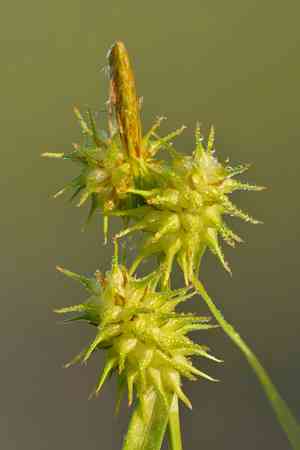
Carex densa is a adaptable, clumping botanical specimen recognized for its thick leaves and resilience in moist environments. Trim in late winter or early spring to control its structure and eliminate any withered or compromised foliage. Sever older growth to stimulate fresh, vigorous sprouts and preserve its contained shape. Consistent trimming aids in enhancing air movement, thereby lowering the likelihood of disease. This practice guarantees the plant flourishes and retains its attractive appearance across the entire cultivation period.
What Are the Benefits of Pruning Dense Sedge?
What Are the Benefits of Pruning Dense Sedge?
Trimming dense sedge encourages robust development and preserves its form. Consistent cutting helps manage the plant's size, preventing it from becoming unruly, and supports thick, healthy leaves. This also enhances air circulation, lowering pest and disease risks.
What Is the Best Time for Pruning Dense Sedge?
What Is the Best Time for Pruning Dense Sedge?
Pruning or trimming dense sedge in early spring and winter is considered optimal due to the plant's growth cycle. During winter, the plant is dormant, making it less susceptible to stress when pruned. This timing also helps in shaping the plant before the active growth phase begins. Pruning in early spring, just before new growth starts, allows for the removal of any damaged or dead stems from winter, ensuring healthier and more vigorous growth during the growing season. Additionally, this timing avoids disrupting the plant's blooming period, ensuring better flowering.
What Tools Do I Need to Prune Dense Sedge?
Hand Pruners
Sharp and precise, hand pruners are ideal for making clean cuts on dense sedge without damaging the surrounding foliage. They help in maintaining the plant's shape and health.
Pruning Shears
Useful for trimming larger clumps of dense sedge efficiently. Their larger blades make it easier to manage thicker stems and dense growth.
Loppers
Essential for cutting away dead, damaged, or overly large stems. Loppers provide the leverage needed for thicker and harder-to-reach parts of dense sedge.
Gloves
Crucial for protecting hands from cuts, blisters, and potential irritants while working with dense sedge.
Rake
Helps in collecting and removing the trimmed debris around dense sedge, ensuring a clean and tidy appearance in the garden.
How to Prune Dense Sedge
Removal
Identify and inspect the 'Diseased leaves' and 'Withered leaves' on dense sedge. Ensure you recognize the unhealthy characteristics such as discoloration or decay.
Cutting
Use clean, sharp pruning shears to cut back the identified 'Diseased leaves' and 'Withered leaves' as close to the base as possible to prevent the spread of disease.
Disposal
Carefully collect the trimmed diseased and withered leaves and dispose of them properly to avoid contaminating the healthy parts of dense sedge or the surrounding area.
Cleaning
Sanitize your pruning tools with rubbing alcohol or a bleach solution after trimming the affected parts to prevent cross-contamination.
Inspection
Regularly inspect dense sedge for any new signs of disease or withering and repeat the process as necessary to maintain plant health.
Common Pruning Mistakes with Dense Sedge
Improper Technique
Avoid using blunt or inappropriate tools which can crush or damage the stems. Always ensure your pruning shears are sharp and clean to make precise cuts.
Over-Pruning
Cutting too much of dense sedge can stress the plant and inhibit its growth. It's crucial to prune conservatively, focusing on removing dead or damaged parts first.
Pruning Wet Foliage
Pruning when the plant's foliage is wet can lead to fungal infections. Always aim to prune when the plant is dry.
Ignoring Deadheading
Failing to remove spent flower heads can lead to wasted energy on seed production rather than new growth.
Incorrect Height
Pruning dense sedge too close to the ground can damage the crown and hinder its ability to regenerate. Maintain a modest height to support regeneration and healthy growth.
Common Pruning Tips for Dense Sedge
Use the Right Tools
Invest in a good pair of sharp pruning shears to make clean cuts and reduce the risk of disease transmission.
Focus on Dead and Damaged Growth
Begin by removing any dead, damaged, or diseased stems to improve air circulation and prevent the spread of disease.
Maintain Plant Shape
Prune to maintain a natural shape, avoiding drastic changes which can stress dense sedge and alter its growth pattern.
Remove Spent Flower Heads
Deadhead regularly to encourage healthy new growth and redirect the plant's energy towards vegetative development rather than seed production.
Prune Gradually
Adopt a gradual pruning approach, never removing more than a third of the plant at a time to avoid over-stressing dense sedge.
Assess Regularly
Evaluate the plant regularly, looking for signs of overcrowding or disease, and prune accordingly to maintain vigor and health.



