How to Prune Cherokee sedge?
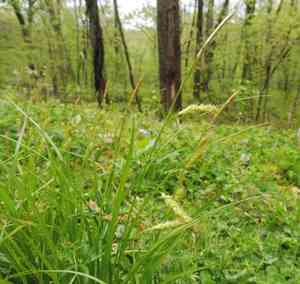
This enduring grass-like variety flourishes in damp, adequately drained earth, developing thick, fountain-shaped clusters. Trim cherokee sedge during early spring or winter to eliminate deceased or discolored leaves and encourage robust fresh development. Sever the plant close to the soil surface for revitalization. This upkeep guarantees vitality, visual appeal, and deters self-propagation, if not wanted. The timing of pruning corresponds with the plant's inactive period for reduced strain and best recuperation.
What Are the Benefits of Pruning Cherokee Sedge?
What Are the Benefits of Pruning Cherokee Sedge?
Trimming cherokee sedge promotes vigorous development and helps maintain its compact shape. Strategic cuts enhance air circulation and light penetration, crucial for cherokee sedge's vitality and visual appeal. This method also prevents excessive growth, ensuring cherokee sedge thrives in its designated area.
What Is the Best Time for Pruning Cherokee Sedge?
What Is the Best Time for Pruning Cherokee Sedge?
Pruning cherokee sedge in early spring is optimal as this period precedes its active growth phase, enabling the plant to channel energy into new development. Trimming before new shoots emerge minimizes stress on cherokee sedge and fosters robust growth throughout the season. Additionally, winter pruning is advantageous because cherokee sedge is dormant then. Removing dead or damaged foliage at this stage prevents wasted energy on parts that won't contribute to its health or appearance when growth resumes. These seasons also avoid disrupting cherokee sedge's natural flowering cycle, ensuring any potential blooms or seed heads developed in warmer months are not accidentally removed, allowing the plant to complete its reproductive cycle and maintain vigor.
What Tools Do I Need to Prune Cherokee Sedge?
Hand Pruners
For precise cutting and shaping of cherokee sedge, hand pruners or secateurs are recommended. These provide a clean cut that helps prevent damage to the plant's structure.
Grass Shears
When trimming or edging clumps of cherokee sedge, grass shears are effective for their ability to shape these grass-like plants with minimal effort, ensuring uniformity and neatness.
Sharp Scissors
For smaller, delicate adjustments to cherokee sedge, a pair of sharp scissors can be used to snip away dead or unwanted foliage without disturbing the surrounding plants.
How to Prune Cherokee Sedge
Clean Tools
Before pruning cherokee sedge, sterilize the pruning shears with a solution of 1 part bleach to 9 parts water to prevent disease spread.
Remove Diseased
Carefully examine cherokee sedge and trim any diseased leaves. Use sharp, clean shears and cut the leaves at the base where they meet the soil to prevent damage to the crown of the plant.
Remove Withered
Locate withered leaves on cherokee sedge and snip them off at the base as well. These are often older leaves that have naturally died back.
Thin Clumps
Thin out dense clumps of cherokee sedge by selectively removing some of the older, center leaves to promote air circulation and new growth.
Cleanup
Gather and dispose of all removed material from cherokee sedge to minimize the risk of disease and to keep the area around the plant tidy.
Common Pruning Mistakes with Cherokee Sedge
Overpruning
Trimming too much of cherokee sedge at once can damage the plant. It's essential to avoid removing more than one-third of the foliage, as this can stress the plant and inhibit its growth.
Blunt tools
Using dull or blunt tools can result in frayed and damaged edges on cherokee sedge, which can invite disease and pests. Always use sharp, clean pruning shears.
Neglecting dead material
Failing to remove dead or yellowed foliage from cherokee sedge can obstruct new growth and potentially cause rot and other plant health issues. Regularly inspect and tidy up dead material from the plant.
Improper cut location
Cutting too close to the crown of cherokee sedge or the ground can harm the plant. It's essential to prune just above where the foliage emerges from the base.
Disregarding plant architecture
Failing to understand the natural shape and growth habit of cherokee sedge can lead to a pruning approach that detracts from its natural beauty. Being mindful of the plant's form when pruning will benefit its overall appearance.
Common Pruning Tips for Cherokee Sedge
Selective pruning
Gently thin out old and dead foliage of cherokee sedge by selectively cutting at the base of the plant. This approach allows for light and air to reach the center of the clump and encourages healthy growth.
Seasonal timing
Although specific seasonal timings are not discussed, matching pruning with the growth cycle of cherokee sedge will improve the plant's health and appearance without stressing it unnecessarily.
Tool sanitation
Clean pruning tools before and after use to prevent the spread of disease among cherokee sedge plants. Use a solution of bleach or alcohol to sanitize your shears.
Gradual pruning
For both aesthetic and plant health reasons, gradually prune cherokee sedge over several sessions rather than all at once. This allows the gardener to shape the plant without causing sudden stress.
Healthy growth monitoring
Monitor cherokee sedge after pruning for signs of new growth or any distress. This practice aids in fine-tuning your pruning approach and providing care as needed.



