How to Prune Lesser pond sedge?
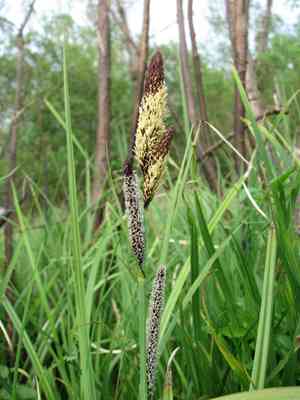
Lesser pond sedge, a resilient perennial, flourishes in marshy environments. To achieve peak development, cut back aged leaves in late winter or early spring prior to the appearance of fresh sprouts. This upkeep prevents decomposition from previous plant matter and stimulates vigorous re-growth. Eliminating faded flower stalks post-bloom additionally boosts the plant's vitality. Trimming fosters a neat look and can deter self-propagation, thereby managing the spread of lesser pond sedge in cultivated spaces.
What Are the Benefits of Pruning Lesser Pond Sedge?
What Are the Benefits of Pruning Lesser Pond Sedge?
Trimming lesser pond sedge promotes robust development and preserves its desired shape. By selectively removing overgrown sections, the plant's energy is channeled towards stronger shoots, ensuring a sturdy structure and appearance.
What Is the Best Time for Pruning Lesser Pond Sedge?
What Is the Best Time for Pruning Lesser Pond Sedge?
Trimming lesser pond sedge in early spring is optimal as it coincides with the start of its active growth, allowing lesser pond sedge to recover swiftly and dedicate the growing season to developing new leaves and stems. This timing also prevents cutting the plant when it's preparing for dormancy in late fall. Winter, especially late winter when the plant is still inactive, is another suitable period for pruning. The absence of foliage makes it easier to discern the plant's structure and decide which parts to remove. Pruning in winter minimizes the impact on lesser pond sedge's growth cycle, as cuts have time to heal before spring growth begins. It also prevents sap loss in species prone to bleeding and avoids disrupting lesser pond sedge's flowering or fruiting since it typically does not produce significant blooms or fruits.
What Tools Do I Need to Prune Lesser Pond Sedge?
Sharp Scissors or Hand Pruners
To achieve clean cuts on the slender leaves of lesser pond sedge, sharp scissors or hand pruners are essential. These tools enable precise trimming without harming the plant's delicate structure.
Long-Handled Loppers
If lesser pond sedge has formed thicker clumps and requires the removal of more robust stems or excessive growth, long-handled loppers can provide the necessary leverage and reach while maintaining cutting accuracy.
Gardening Gloves
To safeguard your hands from the rough edges of lesser pond sedge's foliage, a pair of durable gardening gloves is recommended. This ensures a safe and comfortable pruning experience.
Shears
For shaping and trimming the dense tufts of lesser pond sedge, shears can be advantageous as they allow for even cutting of larger areas and are practical for maintaining the sedge's desired form and size.
How to Prune Lesser Pond Sedge
Preparation
Gather sharp, sterilized pruning shears or scissors to facilitate healthy cuts and prevent the spread of disease to lesser pond sedge.
Identification
Carefully examine lesser pond sedge to pinpoint diseased or withered leaves that require removal; these may exhibit discoloration, spots, or signs of decay.
Cutting diseased leaves
Using the prepared tools, carefully snip off the diseased leaves at their base where they connect to the stem, avoiding damage to healthy tissue.
Cutting withered leaves
Similarly, trim any withered or dead leaves at their base to encourage new growth and maintain the aesthetic appeal of lesser pond sedge.
Disposal
Properly discard the removed material away from healthy plants to prevent the spread of any pathogens or pests it might harbor.
Common Pruning Mistakes with Lesser Pond Sedge
Over-pruning
Removing an excessive amount of foliage from lesser pond sedge can stress the plant and potentially lead to stunted growth or increased susceptibility to disease.
Improper cut location
Cutting too far from the base or in the middle of stems can leave unsightly remnants and impede the natural shape and health of lesser pond sedge.
Using dull tools
Pruning with dull or uncleaned tools can result in jagged cuts that harm lesser pond sedge and elevate the risk of disease.
Disregarding plant health
Pruning without evaluating the health of lesser pond sedge can lead to the removal of healthy growth instead of focusing on dead or diseased areas.
Ignoring plant structure
A lack of understanding of lesser pond sedge's growth pattern may result in incorrect pruning, impacting its natural form and vigor.
Common Pruning Tips for Lesser Pond Sedge
Sharp clean tools
Utilize sharp and disinfected pruning shears to make clean cuts that will heal quickly and minimize stress to lesser pond sedge.
Cutting technique
Make cuts at an angle, close to the plant base without harming new buds to promote healthy new growth in lesser pond sedge.
Focus on dead material
Remove dead, damaged, or diseased foliage to enhance the overall health and appearance of lesser pond sedge.
Maintain natural shape
Prune with the natural shape of lesser pond sedge in mind to preserve its aesthetic and prevent over-pruning.
Regular inspection
Periodically inspect lesser pond sedge for any signs of disease or dead material that may necessitate pruning outside of normal practices.



