How to Prune Sand bittercress?
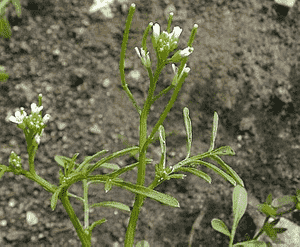
Originating from humid environments, sand bittercress flourishes with minimal upkeep. Trim once a year in spring or following blooming to foster a fuller appearance. Removing spent flowers extends the flowering period and stops self-propagation. Summer trimming helps preserve its form and reduces crowded sections. In autumn, reduce the foliage to avert illness. Utilize sanitized, sharp implements for clean cuts. The advantages of trimming encompass improved vigor and more prolific blossoms. Careful attention leads to peak development for this sensitive variety.
What Are the Benefits of Pruning Sand Bittercress?
What Are the Benefits of Pruning Sand Bittercress?
Consistent trimming ensures sand bittercress grows robustly and maintains an appealing form. This practice fosters healthier leaves and prevents excessive growth that might hinder garden aesthetics or the plant's vitality.
What Is the Best Time for Pruning Sand Bittercress?
What Is the Best Time for Pruning Sand Bittercress?
Trimming sand bittercress in Spring is optimal, aligning with its post-winter revival when new growth begins. This timing is perfect for shaping and removing any winter-damaged or dead foliage. A second pruning in Fall prepares sand bittercress for winter by eliminating unhealthy or spent growth, thereby reducing disease and pest risks. Summer pruning is generally avoided due to potential heat stress.
What Tools Do I Need to Prune Sand Bittercress?
Hand Pruners
These are perfect for precise trimming of sand bittercress's delicate stems and leaves. They enable gardeners to make clean cuts that encourage healthy regrowth.
Garden Scissors
Garden scissors offer exact accuracy, suitable for trimming small leaves or removing spent flowers from sand bittercress. They are especially useful when precise cuts are needed to maintain the plant's compact shape.
Floral Snips
These are designed for deadheading and cutting soft stems. Using floral snips to remove old blooms from sand bittercress can stimulate further flowering and prevent self-seeding if not desired.
How to Prune Sand Bittercress
Disinfect tools
Before you start trimming sand bittercress, ensure your pruning tools are sanitized. This helps prevent the spread of diseases among plants.
Identify withered
Locate the withered leaves on sand bittercress. These typically appear discolored, dry, or limp, contrasting with the vibrant green foliage.
Cut withered leaves
Using sharp, disinfected scissors or pruners, carefully cut the withered leaves at their base where they connect to the stem or the main leaf structure. Be cautious not to harm adjacent healthy foliage.
Clean up
After removing the withered leaves, dispose of them properly. Do not leave them on the ground as they can promote disease or harbor pests.
Monitor plant
Observe sand bittercress after pruning to ensure it remains healthy and to watch for new growth. Removing withered leaves should encourage healthier development and prevent potential issues from spreading.
Common Pruning Mistakes with Sand Bittercress
Over-pruning
Cutting back sand bittercress excessively can stress the plant, leading to fewer blooms and potential dieback. Sand bittercress should only be pruned to remove dead or diseased foliage and manage its form.
Imprecise cuts
Making cuts too close to the main stem or too far from a leaf node can hinder the plant's natural healing process. Pruning cuts should be clean and made just above a leaf node.
Using dull tools
Trimming sand bittercress with dull tools can damage the stems, resulting in jagged cuts that make the plant more vulnerable to disease.
Ignoring plant health
Failing to consider the health and vigor of sand bittercress before pruning can lead to over-pruning, which may compromise the plant's ability to recover.
Inconsistency
An inconsistent pruning approach can result in uneven growth and an unbalanced appearance for the plant.
Common Pruning Tips for Sand Bittercress
Clean tools
Utilize sharp and clean pruning tools to make precise cuts without harming the delicate tissues of sand bittercress. Sanitize tools between uses to prevent disease transmission.
Selective pruning
Prune sand bittercress selectively, focusing on removing diseased, damaged, or dead foliage, along with any spindly or weak growth, to maintain plant health and vigor.
Encourage bushiness
Pinch back the growing tips of sand bittercress during its vegetative growth phase to promote a bushier plant with more growth points, potentially leading to a fuller and healthier plant.
Aesthetic shaping
Shape sand bittercress by pruning it to maintain its natural form, removing any outlying stems that disrupt the overall symmetry and balance of the plant.
Light pruning
Perform light pruning on sand bittercress as needed rather than heavy pruning all at once, which can help prevent stress and keep the plant looking its best throughout the growing season.



