How to Prune Siberian peashrub?
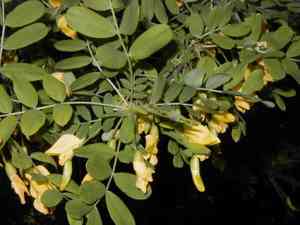
This enduring woody plant, recognized for its brilliant yellow blossoms and legume-like seed cases, thrives in chilly environments. For siberian peashrub, trim right after blooming to preserve its form and stimulate fresh development. The period from late spring to early summer is perfect, safeguarding the following season's flowers. Removing older branches enhances light exposure and air circulation, boosting the plant's well-being. Trimming also manages its dimensions in garden layouts, rendering it a adaptable inclusion for frigid climate gardens.
What Are the Benefits of Pruning Siberian Peashrub?
What Are the Benefits of Pruning Siberian Peashrub?
Trimming siberian peashrub encourages blooms, enhances its resistance to pests and illnesses, preserves a desired form, and promotes robust development, keeping siberian peashrub vibrant and well-proportioned in the garden.
What Is the Best Time for Pruning Siberian Peashrub?
What Is the Best Time for Pruning Siberian Peashrub?
From late spring to early summer, siberian peashrub has finished its seasonal blooming and is entering a period of active growth, allowing for quick recovery from trimming. Pruning at this time stimulates new growth, shapes the plant, and prevents potential disease spread by removing any dead or damaged branches when the plant is less vulnerable. It also avoids cutting off buds formed in the previous year, which would result in a loss of flowers for the season.
What Tools Do I Need to Prune Siberian Peashrub?
Hand Pruners
Hand pruners are perfect for cutting small branches and twigs on siberian peashrub up to 3/4 inch in diameter. These are crucial for making clean cuts on young or thin stems without harming the plant.
Loppers
Loppers offer greater leverage and are suitable for cutting branches between 3/4 inch and 1 1/2 inches in diameter. They are ideal for reaching into the denser parts of siberian peashrub and making precise cuts.
Pruning Saw
A pruning saw is essential for larger branches over 1 1/2 inches thick. The saw enables gardeners to remove substantial growth from siberian peashrub without tearing or damaging surrounding branches.
Hedge Shears
For shaping siberian peashrub or managing hedge-like formations, hedge shears are used to create a straight, neat line by cutting multiple small stems simultaneously. They are perfect for maintaining the formal appearance of siberian peashrub hedges.
Safety Gear
While not a cutting tool, safety gear including gloves and protective eyewear is vital to prevent injury during the trimming of siberian peashrub.
How to Prune Siberian Peashrub
Step1: Timing Pruning for Optimal Plant Health
Choose the correct time for trimming siberian peashrub, typically late winter to early spring before new growth starts. This timing helps prevent disease entry and reduces stress on siberian peashrub.
Step2: Sterilize Tools to Prevent Disease Spread
Sanitize your pruning tools with a solution containing 10% bleach or 70% alcohol to minimize the spread of diseases between plants. Clean your tools again after trimming siberian peashrub.
Step3: Identify and Prune Old Wood for Renewed Growth
Identify old wood sections by looking for thicker, possibly duller colored stems that are several years old. These can be cut back to stimulate new growth.
Step4: Trim Spindly Stems for Vigorous Plant Structure
Locate spindly stems, which are typically newer growth but lack vigor and strength. Prune these stems back to their point of origin or a strong lateral shoot to encourage denser, healthier growth patterns.
Step5: Remove Damaged Wood to Promote Healing
Carefully remove damaged wood, which includes any parts that are broken, diseased, or dead. Make cuts at least 5 centimeters (2 inches) into healthy tissue below the affected area to ensure no diseased parts remain.
Step6: Cut at Angles for Healthy Water Runoff
While trimming siberian peashrub, make all cuts at a 45-degree angle to encourage water runoff and prevent disease. Ensure the cut is clean and does not leave a stub which can hinder the healing process.
Step7: Shape Plant for Light Penetration and Aesthetics
Consider the overall shape and size desired for siberian peashrub when removing old and spindly stems. Aim to create an open, natural form that allows light and air to reach the inner branches.
Step8: Thin Dense Areas for Enhanced Air Flow
Thin out dense areas to improve air circulation, which is crucial in minimizing fungal diseases. Remove selective interior branches entirely to open up the plant's structure.
Step9: Cleanup Trimmings to Maintain Plant Hygiene
After completing the trimming, clean up all the trimmings from around siberian peashrub to prevent the spread of pests or diseases and to maintain a tidy garden space.
Step10: Monitor Plant Post-Pruning for Stress Signs
Monitor siberian peashrub after trimming for signs of stress, such as wilting or discoloration, and provide appropriate care, such as watering or additional mulch, to aid in its recovery.
Post-Pruning Care for Siberian Peashrub
Post-Pruning Care for Siberian Peashrub
Immediately after trimming siberian peashrub, ensure clean cuts to avoid infection. Optimize light exposure, maintain moderate humidity, and shield from extreme temperatures to reduce stress. Implement a balanced fertilization regimen to replenish nutrients, favoring a mild, slow-release formula to support recovery without overstimulation. Regularly inspect siberian peashrub for discoloration or wilting as signs of distress. At any indication of infection, such as oozing or unusual growths, promptly apply appropriate fungicides or bactericides and remove affected areas.
Common Pruning Mistakes with Siberian Peashrub
Avoid Over-pruning to Preserve Flowering Potential
Excessive trimming can lead to a reduction in the flowering potential of siberian peashrub as well as causing undue stress to the shrub.
Remove Dead Wood to Prevent Pests and Diseases
Failing to remove dead or diseased wood can attract pests and diseases, compromising siberian peashrub's overall health.
Use Sharp, Clean Tools for Healthy Pruning Cuts
Using dull or dirty trimming tools can cause jagged cuts and introduce disease to siberian peashrub.
Prune with Purpose to Maintain Natural Shape
Trimming without a clear objective can result in an unnatural shape or sparse growth for siberian peashrub.
Balance Branch Framework for Better Air and Light
Neglecting to maintain a balanced framework of branches may lead to poor air circulation and reduced sunlight penetration within siberian peashrub.
Common Pruning Tips for Siberian Peashrub
Use Sterilized Sharp Tools for Clean Cuts
Ensure clean cuts using sharp and sterilized trimming tools to promote rapid and healthy healing of siberian peashrub.
Thinning for Open Canopy and Good Circulation
Focus on selective thinning of overcrowded branches to maintain an open, naturally shaped canopy that encourages good air circulation and light penetration.
Remove Damaged Limbs to Keep Plant Healthy
Target dead, diseased, or damaged branches for removal to keep siberian peashrub healthy and to prevent the spread of potential diseases.
Shape Prudently to Maintain Plant's Vigor
Trim for shaping to maintain siberian peashrub's natural arching form, being cautious not to undercut its aesthetic or vegetative vigor.
Fertilize After Pruning for Nutrient Recovery
After trimming, apply a balanced fertilizer to provide siberian peashrub with the necessary nutrients to recover and flourish.



