How to Prune Tree pepper?
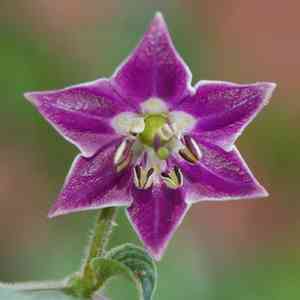
A long-lived plant featuring robust, lignified stalks and violet blossoms, tree pepper necessitates meticulous trimming to boost its fruit yield and sustain its well-being. Eliminate deceased or ailing limbs, and thin out congested sections from mid-spring to early summer to foster improved air movement. This practice promotes a denser growth pattern, augmented harvests, and simplified collection. Refrain from extensive cutting to avert plant strain. Consistent trimming additionally facilitates superior light exposure, which benefits general vitality and the caliber of the fruit.
What Are the Benefits of Pruning Tree Pepper?
What Are the Benefits of Pruning Tree Pepper?
Trimming tree pepper promotes robust development by eliminating dead or competing branches, ensuring adequate light and air circulation. It helps maintain a desirable shape for visual appeal and manageable size, fostering a healthier and more productive plant.
What Is the Best Time for Pruning Tree Pepper?
What Is the Best Time for Pruning Tree Pepper?
Pruning tree pepper in late spring coincides with the period after frost risk when the plant begins its growth cycle, encouraging vigorous development and allowing the gardener to effectively shape the plant for the growing season. Summer pruning is advantageous for tree pepper as it aids in preserving the desired structure and size, enhances air movement within the foliage, and can assist in managing disease or pest problems by removing affected areas. It is also an opportune time to prune tree pepper since it does not negatively impact the flowering and fruiting cycle, which typically occurs later in the season.
What Tools Do I Need to Prune Tree Pepper?
Bypass Pruners
Due to their clean and precise cuts, bypass pruners are an excellent choice for tree pepper. These tools operate like scissors and are effective for making accurate cuts on smaller stems. This type of pruner is less likely to cause damage to the plant's tissue compared to anvil-style pruners.
Pruning Shears
Tree pepper's dense foliage necessitates sharp pruning shears for trimming and shaping. Pruning shears enable quick snipping of leaves and thin branches, promoting healthy growth by removing dead or diseased material without harming the plant.
Gloves
Tree pepper's stems can be quite tough, and the plant may have small hairs that could irritate skin. Gloves protect the gardener's hands from scratches and irritation while pruning.
Loppers
For cutting thicker branches that bypass pruners cannot handle, loppers are a necessary tool. They provide more leverage and a larger cutting capacity, which is essential for maintaining the structure and health of tree pepper.
Alcohol or Bleach Solution
Before and after pruning tree pepper, it is critical to sanitize pruning tools to prevent the spread of disease. A solution of alcohol or diluted bleach should be used to wipe down the blades of pruning tools.
How to Prune Tree Pepper
Sterilize Tools
Before pruning tree pepper, ensure all pruning tools are sterilized to prevent the spread of disease.
Identify Diseased
Carefully inspect tree pepper to identify and mark diseased and withered leaves that require removal.
Snip Diseased
Using sharp, clean shears, carefully snip off the diseased leaves at the base, without harming healthy tissue.
Remove Withered
Similarly, remove any withered leaves from tree pepper to encourage healthy growth and improve air circulation.
Dispose
After pruning, properly dispose of diseased and withered leaves to prevent any potential spread of disease to tree pepper or other plants.
Common Pruning Mistakes with Tree Pepper
Over Pruning
Removing too much foliage at once can stress tree pepper, leading to a weakened state and a reduction in flowering and fruiting.
Improper Cut Sites
Cutting too far from a node, or into old, thick wood can hinder tree pepper's healing process and create entry points for pests and diseases.
Pruning Active Growth
Trimming tree pepper during periods of active growth can divert energy away from developing fruits and flowers towards wound healing.
Neglecting Sanitization
Failing to sanitize pruning tools before and after use can spread diseases between plants.
Disregarding Plant Shape
Pruning without considering tree pepper's natural growth habit can result in an odd or imbalanced form, affecting overall health and aesthetic appeal.
Ignoring Dead Material
Leaving dead or dying branches and leaves can attract pests and diseases, which compromises the overall health of tree pepper.
Common Pruning Tips for Tree Pepper
Selective Pruning
Remove only the necessary parts of tree pepper, focusing on dead, damaged, or diseased branches and leaves to maintain plant health.
Node Awareness
Make cuts just above leaf nodes where new growth emerges, at a 45-degree angle to encourage healing and prevent water accumulation.
Incremental Pruning
Prune gradually, especially when shaping tree pepper, to prevent shock and give the plant time to adjust.
Clean Tools
Use clean, sharp tools for pruning to make clean cuts and reduce the risk of transmitting diseases to tree pepper.
Natural Shape Maintenance
Always aim to retain tree pepper's natural form to promote a strong structure and avoid weak growth.
Health Check
Regularly inspect tree pepper for signs of pest infestations or diseases during pruning sessions to address issues promptly.



