How to Prune Canna lily?
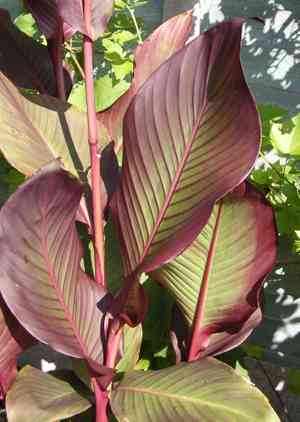
This decorative, elevated perennial is recognized for its vivid blossoms and abundant greenery. For canna lily, consistently remove faded flowers and withered foliage to preserve its aesthetic and stimulate fresh development. Sever stems at ground level in late autumn, once the leaves have died back, to ready the plant for its winter rest. The most effective trimming takes place from early spring until late autumn, coinciding with the periods of active growth. Pruning aids canna lily by fostering robust blooming and averting illness.
What Are the Benefits of Pruning Canna Lily?
What Are the Benefits of Pruning Canna Lily?
Trimming canna lily promotes abundant flowering, stimulates vigorous development, and maintains a desired shape. These actions are vital for the plant's health and visual appeal.
What Is the Best Time for Pruning Canna Lily?
What Is the Best Time for Pruning Canna Lily?
These periods are considered ideal for trimming canna lily due to its growth cycle and climate adaptation. In early spring, canna lily is just emerging from dormancy, making it a perfect time to shape the plant and remove any dead or damaged leaves from the previous season. This timing ensures the plant's energy is directed towards healthy, new growth. Pruning during this phase also benefits the plant's health and vigor, as it prepares for the active growing season. Furthermore, late fall is a suitable time for cutting back canna lily after its blooming cycle has finished, allowing for the removal of spent flowers and seed pods, which can lead to a neater appearance and improved growth the following year. These specific seasons help canna lily avoid the stress of extreme temperatures, ensuring the plant maintains its vitality and excellent performance.
What Tools Do I Need to Prune Canna Lily?
Hand Pruners
Perfect for cutting through canna lily's leaves and slender stems. Sharp bypass pruners can easily make clean cuts without harming the plant's softer tissues.
Pruning Saw
Required for cutting through thicker stalks of canna lily that are over half an inch in diameter, if necessary.
Gardening Gloves
Gloves shield your hands from thorns and sharp edges while trimming canna lily. They offer grip and prevent slipping when handling wet foliage.
Loppers
Useful for reaching into the dense foliage of canna lily and making clean cuts on stems that are slightly thicker and beyond hand pruner reach.
Garden Shears
Effective for shaping and trimming the leaves of canna lily if you prefer a uniform look or need to remove multiple leaves at once.
How to Prune Canna Lily
Step1: Tool preparation and sterilization
Ensure you have the correct tools for trimming canna lily, including sharp and clean pruning shears or snips. Sanitize the blades before use to prevent disease spread.
Step2: Deadheading spent blooms
Begin by removing faded flowers, which encourages canna lily to focus energy on new growth and potential reblooming. Snip the flower stem below the spent bloom, but above the first set of healthy leaves.
Step3: Old foliage removal after frost
When dealing with old leaves, wait until after the initial frost when the foliage begins to die back if canna lily is grown in a region with a cold season. Cut the foliage back to approximately 2-3 inches above the ground.
Step4: Disease identification and removal
Inspect canna lily for diseased sections, which may appear discolored, withered, or covered in mildew or mold. Remove these areas immediately to prevent disease spread. Make your cuts well below the affected area, into healthy tissue.
Step5: Discarding pruned material
Dispose of all removed material, especially diseased parts, to prevent any potential spread of pests or disease. Do not compost diseased plant materials.
Step6: Post-pruning watering
After trimming, water the canna lily to help it recover from the stress of pruning and to encourage new growth. Be careful not to splash water on the freshly cut surfaces as this can promote disease.
Step7: Cleaning and disinfecting shears
Clean and sanitize your pruning shears thoroughly after finishing the trimming session to prevent disease spread to other plants.
Step8: Fertilization for new growth
Finally, apply a balanced, slow-release fertilizer to provide canna lily with the nutrients needed to support new growth. Follow the manufacturer's instructions for the correct application rate.
Post-Pruning Care for Canna Lily
Post-Pruning Care for Canna Lily
Immediately after trimming canna lily, ensure the plant has sufficient moisture; water gently to avoid stress. Maintain a warm environment, with partial shade to prevent scorching, and moderate humidity. Fertilize with a balanced, slow-release fertilizer to aid in recovery. Regularly inspect the trimmed areas for any signs of disease or pest infestation. Should any abnormalities arise, such as discoloration or wilting, address promptly with an appropriate fungicide or insecticide. This will promote healthy regrowth and a thriving canna lily.
Common Pruning Mistakes with Canna Lily
Over-Pruning Reduces Flower Buds
Trimming canna lily too aggressively can remove developing buds, potentially decreasing the number of flowers.
Cutting Foliage Too Close Damages Crown
Cutting canna lily foliage too close to the ground can harm the crown and hinder new growth.
Neglecting Spent Flower Removal Diverts Energy
Failing to remove spent flowers and seed pods, which can redirect energy from the plant that might otherwise be used for further blooming and vigorous growth.
Dull Pruning Tools Increase Disease Risk
Using dull or dirty pruning tools that may cause rough cuts and elevate the risk of disease.
Neglecting Pruning Leads to Leggy Plants
Not pruning at all, resulting in a leggy and unattractive appearance and possibly impeding new growth and robustness.
Common Pruning Tips for Canna Lily
Use Sharp Tools for Clean, Healthy Cuts
Employ sharp, clean pruning shears to make precise cuts, which help canna lily heal more quickly and lower the risk of disease.
Deadheading Encourages More Blooms
Trim spent blooms by deadheading, which prompts canna lily to produce more flowers and extends the blooming season.
Cut Back Foliage to Promote New Shoots
Cut back foliage only to the point where it naturally dies back, leaving enough to protect the crown and encourage healthy new shoots.
Prune to Node for Bushier Growth
When trimming old or damaged stems, cut back to a side shoot or leaf node to stimulate canna lily's growth for a fuller plant.
Post-Frost Pruning Conserves Energy
After the first killing frost, cut back the remaining foliage to help canna lily conserve energy for the next growing season.



