How to Prune Chinese white olive?
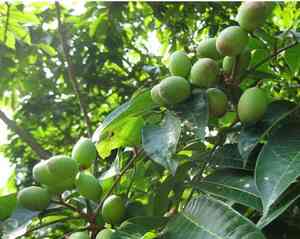
Celebrated for its sleek, verdant leaves and palatable produce, chinese white olive benefits most from pruning in springtime to foster robust development and fruit yield. Essential pruning methods involve reducing dense branches to enhance air circulation and light exposure, and excising deceased or ailing wood to preserve the plant's well-being. Shape juvenile trees through trimming, but refrain from extensive cutting to avert strain. Consistent pruning maximizes fruit dimensions and excellence, guaranteeing the vigor of the chinese white olive.
What Are the Benefits of Pruning Chinese White Olive?
What Are the Benefits of Pruning Chinese White Olive?
Trimming chinese white olive promotes a more abundant yield, encourages robust development, and maintains its desired form. Strategic cuts can enhance air circulation and light exposure, crucial for a strong harvest and disease prevention.
What Is the Best Time for Pruning Chinese White Olive?
What Is the Best Time for Pruning Chinese White Olive?
Pruning in Late Winter to Early Spring benefits chinese white olive as it aligns with the conclusion of its dormant phase and just prior to the commencement of its growth cycle. This timing allows chinese white olive to recover quickly from pruning wounds, minimizing stress and susceptibility to diseases or pests. Pruning during this period also prevents the removal of new growth or flower buds, which are vital for fruit production. This ensures the plant retains its vigor and maximizes its fruiting potential in the upcoming season.
What Tools Do I Need to Prune Chinese White Olive?
Hand Pruners
Essential for making clean cuts on small branches and twigs, hand pruners are ideal for chinese white olive's thinner stems. Bypass pruners are especially recommended as they make precise cuts and minimize damage to the plant tissue.
Loppers
Loppers provide the extra leverage needed to prune thicker branches that hand pruners cannot handle. It's important for managing the growth of chinese white olive and maintaining its structure without straining the gardenerâs hands.
Pruning Saw
For mature chinese white olive with branches too thick for loppers, a pruning saw is the appropriate tool. It can cut through larger branches cleanly, which is essential for the health of the plant and to ensure quick healing.
Hedge Shears
If shaping is required for chinese white olive, hedge shears are the best tool. They enable the gardener to trim and shape hedges or the bushy growth of chinese white olive, ensuring a neat appearance.
Pole Pruner
For higher branches on chinese white olive that are out of reach, a pole pruner allows the gardener to safely prune without using a ladder. This tool helps maintain the overall structure and health of the plant from the ground.
Gloves
To protect the gardenerâs hands from scratches and ensure a firm grip on the tools, gloves are an essential accessory when pruning chinese white olive.
How to Prune Chinese White Olive
Clean Tools
Sanitize pruning tools before starting to prevent the spread of diseases to chinese white olive.
Cut Dead Branches
Remove dead branches by cutting them at the point of origin or back to a healthy lateral branch, ensuring cuts are clean and angled to promote healing.
Remove Diseased Branches
Identify and trim away diseased branches, cutting well below the affected area to prevent contamination. Dispose of diseased material immediately to protect the health of chinese white olive.
Thin Crown
Thin out the crown of chinese white olive to improve air circulation and light penetration, which helps reduce the risk of disease.
Maintain Shape
Prune to maintain the natural shape of chinese white olive, cutting branches just above outward-facing buds to encourage outward growth.
Common Pruning Mistakes with Chinese White Olive
Over-Pruning
Removing too much foliage at once on chinese white olive can shock the plant, possibly leading to stunted growth or even death.
Improper Cutting Technique
Chinese white olive's branches require clean cuts to heal properly; jagged cuts or tears can invite disease and pest infestation.
Neglecting Tool Hygiene
Using dirty pruning tools can spread diseases from plant to plant, especially in a species like chinese white olive.
Ignoring Branch Structure
Cutting without understanding the branch structure can lead to poor air circulation and light penetration, affecting chinese white olive's overall health.
Pruning Healthy Wood
Removing healthy, non-problematic growth can unnecessarily stress chinese white olive and decrease its vigor.
Failing To Remove Dead Wood
Failing to prune away dead or diseased wood can hinder chinese white olive's growth and leave it vulnerable to further issues.
Common Pruning Tips for Chinese White Olive
Using Sharp Tools
Maintain sharp and clean pruning shears for making precise cuts without damaging chinese white olive's branches.
Cutting At The Right Angle
Angle cuts away from the bud to ensure water runs off the cut surface, reducing the risk of disease on chinese white olive.
Thinning For Health
Thin out congested branches to promote better air circulation and light penetration within chinese white olive's canopy, which is essential for health and fruiting.
Identifying Growth Patterns
Understand chinese white olive's growth habits to determine which areas may benefit from pruning to encourage flowering and fruiting.
Pruning For Shape
Prune chinese white olive to maintain an open, balanced structure, which helps the plant's overall stability and aesthetic appearance.
Addressing Problem Areas
Target dead, diseased, or crossing branches in chinese white olive for removal to improve plant health and prevent damage.



