How to Prune Trumpet creeper?
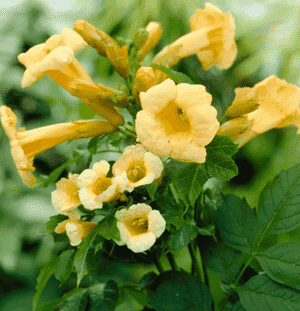
Distinguished by its robust development and bell-shaped blossoms, the trumpet creeper greatly benefits from regular trimming. Essential methods involve shortening excessively long stems and eliminating lifeless or frail branches to preserve its form and stimulate flowering. The ideal period for pruning is in late winter or early spring, prior to the emergence of new foliage. This schedule prevents the loss of sap and fosters the growth of vigorous new shoots. Consistent pruning also aids in managing its expansive nature, preventing it from dominating garden areas.
What Are the Benefits of Pruning Trumpet Creeper?
What Are the Benefits of Pruning Trumpet Creeper?
Trimming trumpet creeper promotes strong development and maintains a neat shape. By cutting back selectively, energy is redirected to produce abundant, new shoots, keeping trumpet creeper both robust and well-formed.
What Is the Best Time for Pruning Trumpet Creeper?
What Is the Best Time for Pruning Trumpet Creeper?
Late winter and early spring are considered ideal for trimming trumpet creeper due to several reasons. During late winter, the plant remains dormant, which minimizes stress and reduces the chance of sap bleeding that can attract pests. Pruning before spring growth begins also allows gardeners to shape the plant effectively and remove any dead or damaged wood without affecting new growth. Early spring pruning aligns with trumpet creeper's active growth phase, encouraging vigorous shoots and ensuring the plant's energy is directed toward producing healthy new growth rather than sustaining old or unnecessary branches. Additionally, since trumpet creeper blooms on new growth produced in the current season, pruning at this time helps encourage abundant flowering.
What Tools Do I Need to Prune Trumpet Creeper?
Hand Pruners
Perfect for snipping thin stems and can assist in shaping trumpet creeper during its active growth. Hand pruners should be sharp and clean to ensure a precise cut and prevent disease transmission.
Loppers
Given trumpet creeper's capacity to produce large and woody vines, loppers are essential for cutting through stems thicker than hand pruners can manage, allowing for effective management of older growth.
Pruning Saw
For mature trumpet creeper with very thick, woody stems that loppers cannot cut through, a pruning saw is indispensable. Saws can handle large diameter stems, making them perfect for significant size reduction and removal of old growth.
Hedge Shears
Useful for quickly shaping and managing the dense foliage of trumpet creeper, especially when containing its spread or performing a general size reduction.
How to Prune Trumpet Creeper
Step1: Timing Pruning for Plant Vitality
Choose the appropriate time to prune trumpet creeper, which is typically in late winter or early spring before new growth starts. Pruning at this time reduces stress on the plant and allows for robust spring growth.
Step2: Removing Dead Wood for Healthy Growth
Begin by removing any dead wood. Identify dead branches by their brittle texture and lack of green inside when scraped. Cut these branches back to live wood, using sharp secateurs, a saw, or loppers depending on thickness. Make cuts at a 45-degree angle, about 1/4 inch above a healthy bud or branch to encourage new growth.
Step3: Deadheading Flowers to Stimulate New Blooms
Trim old flowers to promote new growth and maintain a tidy appearance. Locate spent flower clusters and snip them off at the base of the flower stem. Ensure this is done before seed pods fully develop to prevent unwanted spreading of trumpet creeper.
Step4: Cutting Weak Shoots to Strengthen Plant
Identify weak shoots, which are typically smaller and have a spindly appearance. Prune these back to their point of origin or to the main branch to redirect the plant's energy into stronger, more viable growth.
Step5: Shaping for Strong Structure and Disease Prevention
Focus on shaping trumpet creeper to encourage a strong structure and desirable form. Trumpet creeper can become invasive and aggressive, so control the shape by cutting back to a strong lateral branch. Ensure that remaining branches are spaced evenly to allow light and air circulation, reducing disease risk.
Step6: Tool Sanitation to Prevent Disease Spread
Clean all pruning tools between cuts, especially when moving from dead or diseased wood to healthy wood, to prevent the spread of pathogens.
Step7: Cleanup to Discourage Pests and Disease
After pruning, clear the area, removing all clippings and debris to inhibit potential pests and diseases.
Step8: Post-Pruning Hydration for Recovery
Water trumpet creeper thoroughly after pruning to help reduce stress and provide the hydration needed for recovery and new growth.
Post-Pruning Care for Trumpet Creeper
Post-Pruning Care for Trumpet Creeper
After pruning, trumpet creeper needs sufficient watering to alleviate stress, ensuring soil moisture while preventing waterlogging. Position in a location with full sun to partial shade to encourage healing and growth. Adjust humidity and temperature to typical growing conditions. Fertilize with a balanced, slow-release formula to replenish nutrients. Regularly check for wilting, discoloration, or pest activity, as these may indicate distress. If symptoms appear, promptly address with appropriate cultural or chemical treatments.
Common Pruning Mistakes with Trumpet Creeper
Late Season Pruning Stimulating New Growth
Pruning trumpet creeper too late in the growing season, which can stimulate new growth that may not harden off before winter, making it vulnerable to frost damage.
Incorrect Cutting into Old Wood Without Buds
Cutting into old wood of trumpet creeper where there are no visible leaf buds, as this can hinder or prevent new growth; it's important to make cuts just above a leaf node or bud.
Excessive Pruning Reducing Plant Vigor
Over-pruning trumpet creeper, which can stress the plant and lead to a decrease in its overall vigor and bloom production; it's generally best to trim no more than one-third of the plant in a single season.
Failure to Sterilize Tools Spreading Diseases
Not sterilizing pruning tools before and after use on trumpet creeper, which could spread diseases between plants.
Not Removing Dead or Diseased Stems
Neglecting to remove dead, damaged, or diseased stems which can impair the health and aesthetic value of trumpet creeper, as these can also be vectors for pests and disease.
Common Pruning Tips for Trumpet Creeper
Clean Cuts with Sharp, Sterile Pruning Tools
Use sharp, clean pruning shears or loppers for making precise cuts on trumpet creeper, as jagged cuts can lead to disease and pest problems.
Remove Overgrown, Damaged, or Dead Vine Parts
Target the removal of any vine parts that are overgrown, damaged, or dead to encourage a more controlled and healthy growth pattern for trumpet creeper.
Selective Thinning for Better Air Circulation
Perform selective thinning of trumpet creeper vines to improve air circulation and light penetration, which can enhance bloom production and plant health.
Angle Cuts Above Leaf Node for Desired Growth
When controlling the size and shape of trumpet creeper, make cuts at a 45-degree angle just above a leaf node where new growth is desired to encourage branching.
Water and Fertilize After Pruning for Regrowth
After pruning trumpet creeper, adequately water and, if appropriate for the time of year, fertilize the plant to promote healthy regrowth.



