How to Prune Chinese trumpet creeper?
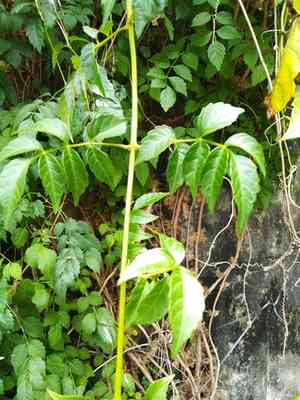
The chinese trumpet creeper, a robust climber recognized for its sizable, vibrant blossoms and rapid development, thrives with consistent trimming to preserve its form and foster more abundant flowering. Essential pruning methods involve excising deceased or frail stems and reducing the prior year's growth to a limited number of buds to stimulate fresh sprouts. The most effective time for pruning is in late winter or early spring, prior to the emergence of new growth. This schedule prevents sap leakage, which could debilitate the chinese trumpet creeper. Pruning manages its dimensions, boosts air circulation, and intensifies its blooming.
Advantages of Trimming Chinese Trumpet Creeper
Advantages of Trimming Chinese Trumpet Creeper
Trimming chinese trumpet creeper promotes robust development by channeling energy into fresh, healthy shoots. It preserves chinese trumpet creeper's desired form and dimensions, enhancing its decorative appeal.
Optimal Time for Trimming Chinese Trumpet Creeper
Optimal Time for Trimming Chinese Trumpet Creeper
Trimming chinese trumpet creeper in late winter to early spring is ideal as the plant is still dormant, minimizing stress and disease risk. Pruning then also offers better visibility of the plant's structure due to absent foliage, allowing for more strategic cuts. Additionally, removing old growth before chinese trumpet creeper's active spring phase directs energy to new, healthy growth, improving flowering. It's crucial not to prune too late, as chinese trumpet creeper blooms on new growth, and late pruning could remove flower buds, diminishing its display.
Tools Required for Trimming Chinese Trumpet Creeper
Bypass Pruners
Perfect for making clean cuts on chinese trumpet creeper's thinner stems, bypass pruners cause minimal tissue damage. They operate like scissors, with two curved blades that slide past each other, suitable for live wood and green growth.
Loppers
For thicker branches, up to 1.5 to 2 inches in diameter, common in mature chinese trumpet creeper, loppers provide the necessary leverage for clean cuts without straining the gardener.
Pruning Saw
For chinese trumpet creeper branches thicker than loppers can handle, a pruning saw with a curved blade is essential. This tool manages overgrown branches and effectively controls plant size.
Personal Protective Equipment (PPE)
Wearing gloves and safety glasses is vital when trimming chinese trumpet creeper to shield skin and eyes from thorns and debris, ensuring a safe pruning experience.
How to Trim Chinese Trumpet Creeper
Clean And Sterilize
Before starting the trimming process, clean and sterilize all tools to prevent disease spread to chinese trumpet creeper.
Remove Diseased Leaves
Carefully check chinese trumpet creeper for any diseased leaves. Using sterilized pruning shears, snip off diseased leaves at their stem base.
Trim Withered Leaves
Identify any withered or dead leaves on chinese trumpet creeper. Remove these leaves by cutting them at their base to enhance the plant's appearance and promote healthy growth.
Thin Out Overgrowth
Thin out dense areas to improve light penetration and air circulation. Selectively remove some older stems at the base to rejuvenate chinese trumpet creeper.
Dispose
Properly dispose of all removed material from chinese trumpet creeper to prevent potential disease or pest spread.
Common Trimming Errors with Chinese Trumpet Creeper
Excessive Pruning
A frequent error is removing too much growth at once, which can stress chinese trumpet creeper, leading to a weak structure or reduced blooming. Gardeners should avoid cutting more than one-third of the foliage in a single season.
Incorrect Cut Placements
Cutting chinese trumpet creeper in the wrong spots can cause disease and poor growth. Prune above a leaf node or bud, always making clean, slightly angled cuts to encourage healthy regrowth.
Using Dull Tools
Dull tools can harm chinese trumpet creeper stems by crushing instead of cleanly slicing, leading to poor healing and increased disease risk.
Neglecting Sanitation
Not sterilizing tools between cuts and plants can spread diseases. It's crucial to clean pruning tools before moving to another plant or even between significant cuts on the same plant.
Ignoring Plant Structure
Disregarding the natural growth habit and structure of chinese trumpet creeper can result in an unbalanced and unattractive plant. Pruning without considering the overall form can also hinder the plant's flowering potential.
Forgetting To Thin
Failing to thin the interior of chinese trumpet creeper can create a dense environment that reduces air circulation and sunlight, potentially leading to disease and poor flowering.
General Trimming Advice for Chinese Trumpet Creeper
Selective Pruning
To encourage a healthy shape and abundant flowering, selectively remove older woody stems from chinese trumpet creeper, focusing on retaining strong, newer growth.
Encouraging Blooms
For optimal flower production, cut the lateral branches of chinese trumpet creeper back to two or three buds from the main stems. This promotes vigorous new growth that typically bears the most flowers.
Maintaining Tools
Keep pruning tools sharp and clean to make precise cuts that heal quickly and reduce the risk of disease transmission in chinese trumpet creeper.
Prune For Health
Regularly remove any dead, damaged, or diseased wood from chinese trumpet creeper to maintain the plant's vigor and appearance. This also improves air circulation within the plant.
Shape Control
When trimming chinese trumpet creeper, aim for an open, vase-like shape that supports good air circulation and light penetration, vital for the plant's overall health and flowering.
Harness Vigorous Growth
Chinese trumpet creeper is known for vigorous growth and can be pruned more aggressively if needed to control size and maintain a desired shape, but always understand how hard pruning can affect flowering cycles.



