How to Prune Bluebell bellflower?
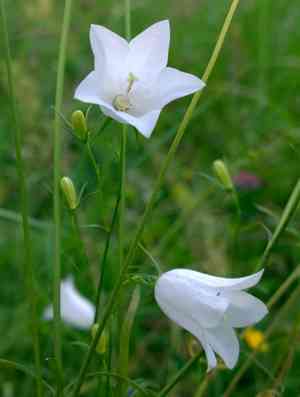
Distinguished by its dainty, campanulate blossoms, bluebell bellflower flourishes when spent flowers are removed after blooming, stimulating further floral production. Trim withered stalks to their base from early spring through late summer for revitalization. Alleviate congestion by thinning out crowded sections, which improves air movement and lowers the likelihood of disease. Trimming additionally sculpts the plant, manages its dimensions, and boosts its general well-being. Adhere to the plant's inherent growth habits for a conservative pruning strategy, safeguarding its untamed allure.
Advantages of Trimming Bluebell Bellflower
Advantages of Trimming Bluebell Bellflower
Trimming bluebell bellflower is crucial for maintaining a compact shape and promoting vigorous growth. Strategic cuts help revitalize the plant, ensuring denser foliage and overall health.
Optimal Time for Trimming Bluebell Bellflower
Optimal Time for Trimming Bluebell Bellflower
In early spring, trimming bluebell bellflower aids in removing any dead or damaged leaves from winter and encourages a healthy start to the growing season. This timing allows the plant to focus its energy on new growth and blooming. Trimming in late summer, after bluebell bellflower has bloomed, is also ideal as it can stimulate new growth while ensuring the plant doesn't expend energy on seed production. This helps maintain the plant's vitality and prepares it for the next flowering cycle. These periods are selected to avoid disrupting the plant's natural growth and flowering cycle while safeguarding its health and visual appeal.
Tools Required for Trimming Bluebell Bellflower
Hand Pruners
These are vital for making precise cuts on bluebell bellflower's stems without crushing them. Opt for bypass pruners over anvil style for a clean cut that encourages healthy regrowth.
Pruning Shears
Perfect for shaping and trimming bluebell bellflower's foliage, especially during thinning. The shears allow for quick, clean snips on the smaller stems of bluebell bellflower.
Scissors
For removing spent flowers or deadheading bluebell bellflower, a sharp pair of scissors can be used gently. This helps maintain the plant's appearance and promotes more blooms.
Gloves
Protective gloves should be worn when trimming bluebell bellflower to prevent any potential skin irritation from plant sap and to shield hands from sharp edges.
Pruning Saw
A fine-toothed pruning saw might be necessary for larger, woodier stems if bluebell bellflower has grown densely. This tool is not commonly needed as bluebell bellflower typically has slender stems.
How to Trim Bluebell Bellflower
Step1: Inspection and Identification for Trimming
Inspect bluebell bellflower and pinpoint the parts that need trimming: Dead flowers, diseased leaves, and withered stems.
Step2: Tool Sanitization
Sanitize your trimming tools with rubbing alcohol or a 10% bleach solution to prevent the spread of disease.
Step3: Removing Spent Blooms
Begin by deadheading spent blooms to encourage more flowers. Snip the dead flowers at the base of their stalk, just above the first set of healthy leaves.
Step4: Eliminating Diseased Foliage
Examine the leaves and stems for signs of disease, such as discoloration or unusual spots. Carefully remove diseased leaves by cutting them off at the base of the leaf stem using clean shears.
Step5: Trimming Wilted/Damaged Stems
Identify wilted or damaged stems that are unlikely to recover. Trim these stems back to a healthy side shoot or leaf node.
Step6: Shaping and Trimming the Plant
Shape the plant if needed by lightly trimming back overgrown areas. Do not remove more than one-third of the plant at a time to avoid stress.
Step7: Cleanup of Trimming Debris
After trimming, clean up any fallen debris around bluebell bellflower to prevent disease and pest infestation.
Step8: Post-Trimming Watering
Water bluebell bellflower thoroughly after trimming to help the plant recover from the stress of being cut.
Step9: Monitoring and Fertilizing
Monitor bluebell bellflower for new growth, and if necessary, apply a balanced fertilizer to support healthy development after trimming.
Aftercare for Bluebell Bellflower Post-Trimming
Aftercare for Bluebell Bellflower Post-Trimming
Immediately after trimming bluebell bellflower, water the plant thoroughly to alleviate stress and aid recovery. Ensure bluebell bellflower receives ample indirect light while avoiding harsh direct sun. Maintain moderate humidity and a stable temperature to prevent shock. Begin a fertilization regimen with a balanced, slow-release fertilizer to replenish nutrients and enhance regrowth. Regularly inspect bluebell bellflower for wilting, discoloration, or lesions as indicators of stress or infection. Should these signs appear, address them promptly by adjusting care conditions and considering eco-friendly fungicide or insecticide applications.
Common Trimming Errors with Bluebell Bellflower
Excessive Trimming Reduces Flowers and Spreading
Over-trimming bluebell bellflower, which can hinder its natural spreading habit and decrease the number of flowers.
Complete Foliage Removal Weakens Energy Reserves
Cutting the foliage completely back during trimming, which can deprive bluebell bellflower of the necessary energy reserves it needs to thrive.
Not Limiting Trimming to Dead/Damaged Stems
Failing to remove only the dead or damaged stems, leading to unnecessary stress on bluebell bellflower.
Using Dull/Dirty Tools Harms Stems and Risks Diseases
Using dull or dirty trimming tools, which can damage bluebell bellflower's delicate stems and potentially introduce disease.
General Trimming Advice for Bluebell Bellflower
Precise Cuts with Clean, Sharp Tools
Use clean, sharp scissors or shears to make precise cuts on bluebell bellflower, preventing damage to the healthy stems.
Deadhead Only Dead/Faded Flowers for Reblooming
Target only the dead or faded flowers of bluebell bellflower for deadheading, promoting a tidier appearance and potentially encouraging a second bloom.
Trim Dead/Damaged Foliage Without Over-trimming
Trim away any dead or damaged foliage to maintain the health and aesthetic appeal of bluebell bellflower, ensuring not to cut back more than one-third of the living stems.
Gently Shape, Avoiding Harsh Cuts for Vigor
Gently shape bluebell bellflower if necessary, to maintain a natural look, avoiding harsh or excessive cutting that can lead to a less vigorous plant.



