How to Prune Serbian bellflower?
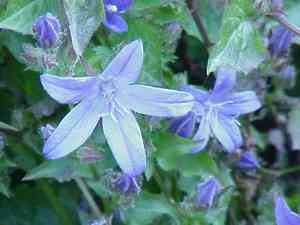
This enduring groundcover, distinguished by its star-shaped azure blooms, flourishes with consistent upkeep. For serbian bellflower, effective trimming entails removing faded flowers to stimulate fresh development and cutting back after the initial flowering stalks diminish to foster a subsequent bloom. Perform substantial pruning in early spring to preserve its form and health; minor trimming can persist until late autumn. Pruning not only boosts flowering but also averts excessive density, safeguarding the robustness of serbian bellflower.
What Are the Benefits of Pruning Serbian Bellflower?
What Are the Benefits of Pruning Serbian Bellflower?
Trimming serbian bellflower promotes more abundant flowering, stimulates vigorous development, and preserves its desired form, ensuring a beautiful and thriving plant.
What Is the Best Time for Pruning Serbian Bellflower?
What Is the Best Time for Pruning Serbian Bellflower?
Early spring is considered ideal for trimming serbian bellflower as this is when the plant awakens from dormancy and begins its active growth phase. Pruning at this time can help foster a more robust bloom and maintain the preferred shape and size. It ensures energy is directed to new growth rather than parts that will be removed. Late autumn, after the blooming period has ended, is also suitable for cutting back serbian bellflower. This helps prevent disease and prepares the plant for winter. Additionally, any leggy or overgrown stems can be tidied up then, contributing to a healthier plant the following season. These periods are chosen to give serbian bellflower the best chance for strong growth and flourishing in the next blooming season.
What Tools Do I Need to Prune Serbian Bellflower?
Hand Pruners
Given the delicate stems of serbian bellflower, a clean cut with sharp, bypass hand pruners is essential to avoid crushing the stems. Bypass pruners operate like scissors, offering precise control and encouraging healthy regrowth.
Pruning Shears
For shaping and managing the rapid spread of serbian bellflower, sharp pruning shears allow for quick, clean trimming of larger sections. This tool is vital for maintaining the desired shape and size.
Gardening Gloves
When trimming serbian bellflower, wearing gloves protects the gardener's hands from potential skin irritation and ensures a better grip on the tools for safety.
Cleaning Brush and Lubricant
Keeping pruning tools clean is crucial to prevent the spread of disease to serbian bellflower. After pruning, use a brush to remove debris and apply a lubricant to prevent rust and maintain tool functionality.
How to Prune Serbian Bellflower
Step1: Tool Preparation and Sterilization
Prepare your trimming tools. Use sharp, clean scissors or secateurs to make precise cuts without harming serbian bellflower. Sanitize your tools with rubbing alcohol to prevent disease transmission.
Step2: Dead Flower Identification
Examine serbian bellflower for spent flowers. These will appear faded, wilted, or brown. Deadheading is vital for encouraging more blooms and preventing seed dispersal if you wish to control its spread.
Step3: Angle Cutting for Deadheading
Cut the spent flowers just above the first set of healthy leaves below the faded bloom. Make the cut at a 45-degree angle to prevent water accumulation, which can lead to rot or disease.
Step4: Overgrown Stem Assessment
Locate elongated stems that extend beyond the desired shape of serbian bellflower. These may look out of place or be longer than the rest of the plant, often with fewer leaves and flowers.
Step5: Pruning for Plant Shape and Growth
Trim the overgrown stems back to a side shoot or leaf node. Choose a cutting point that helps maintain the natural mounded shape of serbian bellflower and encourages bushier growth.
Step6: Damaged Leaf Detection
Look for damaged leaves, which may be discolored, show signs of pest damage, or appear diseased. Removing these leaves helps improve the overall health and appearance of serbian bellflower.
Step7: Careful Removal of Damaged Leaves
Carefully remove damaged leaves by snipping them off at the base, close to the stem. Ensure not to cut into the main stem, which could create wounds that invite pests or disease.
Step8: Post-Pruning Cleanup
After trimming, clear away any fallen debris from around serbian bellflower to reduce the chance of disease or pests harboring near the plant.
Step9: Post-Pruning Watering
Water serbian bellflower appropriately after pruning to help reduce plant stress. Ensure it receives adequate moisture according to its needs, but do not overwater, as serbian bellflower prefers well-drained soil.
Step10: Observing Regrowth After Pruning
Monitor serbian bellflower over the next few weeks, providing it with proper sunlight and fertilization as needed to promote healthy regrowth following the trimming process.
Post-Pruning Care for Serbian Bellflower
Post-Pruning Care for Serbian Bellflower
After trimming serbian bellflower, promptly water the soil to aid recovery. Ensure serbian bellflower receives partial to full sun and maintain mild temperatures with moderate humidity. Fertilize with a balanced, diluted solution to support growth. Monitor serbian bellflower for wilted or discolored leaves, signs of stress or infection. If symptoms appear, reduce watering, and examine for pests or disease. Proper post-pruning care promotes robust regrowth and sustained health of serbian bellflower.
Common Pruning Mistakes with Serbian Bellflower
Avoid Over-pruning to Maintain Plant Health
Excessive trimming, which can stress serbian bellflower and lead to reduced flowering or overall plant vitality.
Do Not Cut into Woody Base to Preserve Rejuvenation
Cutting into the woody base of serbian bellflower instead of focusing on the softer, green growth, which may hinder the plant's ability to rejuvenate.
Remove Dead Stems to Prevent Pests and Disease
Neglecting dead or damaged stems, which can harbor pests and diseases, potentially affecting the health of serbian bellflower.
Use Clean, Sharp Tools for Healthy Pruning Cuts
Employing dull or dirty trimming tools that can cause jagged cuts and introduce disease to serbian bellflower.
Have a Clear Pruning Goal for Proper Shape and Bud Retention
Trimming without a clear objective, resulting in an uneven shape or accidental removal of buds on serbian bellflower.
Common Pruning Tips for Serbian Bellflower
Clean, Sharp Cuts for Healthy Plant Recovery
Use clean, sharp shears to make precise cuts on serbian bellflower, reducing disease risk and promoting faster healing.
Remove Dead Stems at Base to Promote New Growth
Trim serbian bellflower by removing any dead or damaged stems at their base to maintain plant health and encourage new growth.
Light Post-Bloom Trim for Shape and Second Flowering
After blooming, lightly trim serbian bellflower to shape the plant and encourage a second round of flowers.
Thin Center Growth to Enhance Air and Light Access
Thin out dense growth in the center of serbian bellflower to improve air circulation and light penetration, which can help prevent disease.
Deadhead Spent Flowers to Boost Blooms and Foliage
Regularly deadhead spent flowers of serbian bellflower to redirect the plant's energy into producing more blooms and foliage rather than seeds.



