How to Prune Japanese camellia?
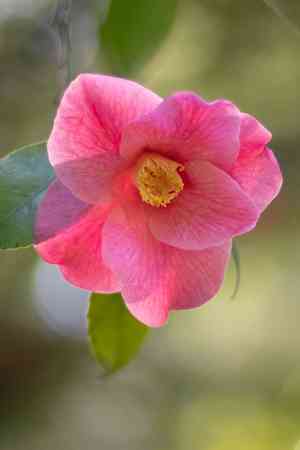
Prized for its vivid blossoms and lustrous leaves, japanese camellia thrives with consistent trimming to improve its form and bloom yield. The perfect period for this is immediately following its flowering in late spring or early summer, which guarantees the formation of buds for the subsequent season. Remove any lifeless or frail branches and reduce crowded sections. A gentle reduction in branch length fosters a more compact growth habit. Refrain from making extensive cuts to prevent a reduction in flowers, given that japanese camellia produces blooms on mature wood.
Advantages of Trimming Japanese Camellia
Advantages of Trimming Japanese Camellia
Trimming japanese camellia promotes abundant blooming and strengthens its resistance to pests and diseases, leading to a more robust, vibrant plant.
Optimal Period for Trimming Japanese Camellia
Optimal Period for Trimming Japanese Camellia
Late spring to early summer is ideal since japanese camellia flowers on growth from the prior year. Trimming soon after the flowering period allows for the removal of dead or weak wood without sacrificing the next season's blooms. It also gives japanese camellia ample time to recover and develop new growth, which will form the basis for future flowers. Avoid pruning in fall or winter, as this can stimulate new growth vulnerable to frost damage and diminish spring flowering potential.
Tools Required for Trimming Japanese Camellia
Hand Pruners
Perfect for making precise cuts on japanese camellia's younger, thinner stems, ensuring minimal harm to the plant's tissues.
Loppers
Essential for reaching into denser foliage and cutting thicker branches that hand pruners cannot manage, while still offering accuracy.
Pruning Saw
Recommended for removing older, larger branches of japanese camellia that loppers cannot cut through, enabling controlled, clean cuts on mature wood.
Hedge Shears
Suitable for shaping japanese camellia when it's necessary to trim multiple small stems simultaneously for a neat appearance, though typically not required for japanese camellia's natural growth habit.
Gloves
Crucial for protecting the gardener's hands from thorns and plant sap that can cause skin irritation during the trimming of japanese camellia.
Disinfectant
Vital for cleaning tools before and after use to prevent the spread of disease to and from japanese camellia.
How to Trim Japanese Camellia
Step1: Sanitizing Trimming Tools
Sanitize your trimming tools with a 10% bleach solution or rubbing alcohol to prevent the spread of disease to japanese camellia.
Step2: Identifying Overgrown Shoots
Identify the overgrown shoots on japanese camellia, which are typically longer than desired or disrupt the plant's shape. These shoots will often stand out from the main form of japanese camellia.
Step3: Trimming Overgrown Shoots
Use sharp, clean trimming shears to cut the overgrown shoots. Make cuts at a 45-degree angle, about 1/4 inch above an outward-facing bud or leaf node to encourage outward growth. Ensure the cuts are clean and smooth to promote rapid healing.
Step4: Removing Yellow Leaves
Look for yellow leaves which may indicate a lack of nutrients, water stress, or aging leaves. Gently remove these leaves by snapping them off with your fingers or snipping them with trimming shears at the base where they meet the stem.
Step5: Cutting Out Diseased Parts
Examine japanese camellia for any diseased parts, which may manifest as irregular growth, discolored foliage, or cankers on the stems. Trim these areas back to healthy tissue or entirely remove the affected branches to prevent further infection. Dispose of diseased material away from japanese camellia to avoid reinfection.
Step6: Thinning Weak Branches
Identify weak branches that may be thin, underdeveloped, or growing inwards towards the center of japanese camellia. Remove these branches by cutting at the point of origin from a main branch or trunk to promote a more open structure and better air circulation.
Step7: Extraction of Dead Wood
Search for and remove any dead wood from japanese camellia by cutting it back to living tissue. Dead wood typically feels brittle, appears discolored or gray, and may have a lack of live buds. Cutting away dead wood prevents decay and improves the overall aesthetic of japanese camellia.
Step8: Cleanup of Trimming Debris
After trimming, clear away all cuttings and debris from around the base of japanese camellia to reduce the risk of pests and disease.
Step9: Monitoring Post-Trimming Growth
Monitor japanese camellia after trimming for signs of new growth and health issues. Adjust your care routine as necessary to foster a healthy recovery period.
Step10: Watering After Trimming
Water japanese camellia thoroughly after trimming to encourage recovery, unless soil moisture is already adequate.
Post-Trimming Care for Japanese Camellia
Post-Trimming Care for Japanese Camellia
Immediately after trimming, japanese camellia requires careful watering to avoid stress, ensuring soil moisture without waterlogging. Position japanese camellia in dappled sunlight, maintaining moderate humidity and avoiding temperature extremes. Apply a balanced, slow-release fertilizer to support new growth. Regularly inspect the trimming sites for signs of disease or pest infestation, particularly oozing or discoloration. If symptoms appear, treat promptly with appropriate fungicides or insecticides.
Common Trimming Errors with Japanese Camellia
Excessive Trimming Reduces Flowering
Trimming too aggressively, which can lead to significant stress for japanese camellia and potentially reduce flowering.
Dull Tools Harm Branch Health
Using dull or unclean trimming tools can damage the branches of japanese camellia and increase susceptibility to diseases.
Too Much Trimming Limits Blooms
Removing too much old wood where flowers are produced can result in fewer blooms, as japanese camellia flowers on the previous year's growth.
Common Trimming Advice for Japanese Camellia
Trimming Above Leaf Joints Promotes Growth
Make clean cuts just above the leaf joints to encourage japanese camellia to produce healthy new growth and maintain a desirable shape.
Thin Out Branches to Prevent Disease
Trim to maintain good air circulation by thinning out crowded branches, which helps prevent disease in japanese camellia.
Remove Dead Wood to Boost Plant Health
Remove any dead, diseased, or damaged wood to promote the overall health of japanese camellia and prevent the spread of possible infections.



