How to Prune Yellow marsh marigold?
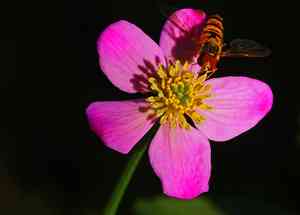
This enduring aquatic plant, featuring vibrant yellow blossoms and circular green foliage, flourishes in damp conditions. For yellow marsh marigold, remove spent or faded blooms consistently during the growing season to stimulate further flowering and deter unwanted seed dispersal. Trim back the leaves once they turn yellow in late summer for a neat appearance. Early spring to summer pruning can boost plant vitality and potentially improve flower production. Refrain from excessive trimming to uphold the plant's inherent form, striking a balance between visual appeal and the plant's well-being.
What Are the Benefits of Pruning Yellow Marsh Marigold?
What Are the Benefits of Pruning Yellow Marsh Marigold?
Trimming yellow marsh marigold encourages robust development and maintains its form, ensuring a strong and visually appealing look. This gardening technique is crucial for fostering a healthier, more controlled plant structure.
What Is the Best Time for Pruning Yellow Marsh Marigold?
What Is the Best Time for Pruning Yellow Marsh Marigold?
This period is chosen to safeguard the health and blooming capacity of yellow marsh marigold. Early spring is suitable for trimming as the plant emerges from dormancy, and its structure is more visible without leaves. It promotes vigorous new growth and vibrant flowers during its blooming season. Late summer pruning should be minimal, just enough to maintain shape and remove any faded flowers or damaged parts, preventing stress on the plant before it enters its dormant phase. These times avoid cutting back yellow marsh marigold during its peak flowering in spring and early summer, ensuring the gardener enjoys its bright yellow blossoms.
What Tools Do I Need to Prune Yellow Marsh Marigold?
Hand Pruners
Given the relatively small size and delicate stems of yellow marsh marigold, a sharp pair of hand pruners should be adequate for most trimming tasks. Hand pruners allow for accurate cuts and can help prevent harm to the plant's framework.
Pruning Shears
For cutting back larger clusters or older, woody stems, a sturdy pair of pruning shears can be effective. They offer greater leverage than hand pruners and can manage thicker stems without straining the gardener's hand.
Pruning Snips
For deadheading or removing spent flowers of yellow marsh marigold, pruning snips with fine tips are beneficial. They provide precision for such delicate work and can access tighter areas within the plant.
Garden Gloves
Since yellow marsh marigold thrives in marshy environments, a gardener should wear gloves to shield their hands from moisture and any potential irritants. This serves more as a protective item than a pruning tool.
Garden Shears
If there's a need to shape larger sections of yellow marsh marigold, garden shears can be used for a quick and even trim of the plant mass. Ideal for managing the overall form and vitality of the plant.
Cleanup Tools
After trimming yellow marsh marigold, using a rake or a garden blower can help clear debris to maintain a tidy environment and reduce the risk of disease.
How to Prune Yellow Marsh Marigold
Step1: Timing for Pruning
Wait for the appropriate moment to trim yellow marsh marigold, which is after its flowering period in late spring or early summer, to avoid disrupting its growth cycle and future blooms.
Step2: Preparing Pruning Tools
Gather the necessary implements for trimming yellow marsh marigold, which should include sharp, clean pruning shears or scissors to ensure precise cuts and prevent disease transmission.
Step3: Identifying Dead Flowers
Begin with faded flowers. Locate spent blossoms on yellow marsh marigold. Dead flowers are recognizable by their brown color and withered appearance.
Step4: Removing Spent Blossoms
Snip the dead flowers at the base of their stems, just above the first set of healthy leaves. This will encourage yellow marsh marigold to channel its energy into producing new growth and potentially more blooms.
Step5: Inspecting for Damaged Stems
Proceed to damaged stems. Look for signs of harm, such as discoloration, breaks, and indications of disease or pest infestation.
Step6: Pruning Damaged Stems
Cut back the damaged stems on yellow marsh marigold to the point of healthy tissue. If the entire stem is damaged, remove it at the base where it connects to the main plant body.
Step7: Spotting Wilted Leaves
Address wilting leaves. Identify leaves on yellow marsh marigold that are discolored, drooping, or showing signs of decay.
Step8: Trimming Wilted Leaves
Trim yellow marsh marigold's wilted leaves at their base, close to the stem, to remove them. Be careful not to harm adjacent healthy leaves or stems in the process.
Step9: Post-Pruning Cleanup
After trimming yellow marsh marigold, clear all debris around the plant to prevent disease spread and eliminate potential hiding spots for pests.
Step10: Disposing of Pruned Material
Properly dispose of the trimmed material, ideally by composting if the plant matter is disease-free.
Step11: Plant Care After Pruning
Water and care for yellow marsh marigold after trimming to help the plant recover and stimulate new growth. Adjust watering based on soil moisture levels, as yellow marsh marigold is a moisture-loving species.
Step12: Ongoing Plant Assessment
Evaluate the plant in the subsequent weeks, providing yellow marsh marigold with additional care as needed, such as supports if stems are weak or extra fertilizer for nutrient replenishment.
Post-Pruning Care for Yellow Marsh Marigold
Post-Pruning Care for Yellow Marsh Marigold
Immediately after trimming yellow marsh marigold, water the plant thoroughly to help reduce transplant shock. Maintain high humidity and provide filtered sunlight to avoid direct, intense exposure. Adjust temperatures to mimic yellow marsh marigold's natural cool, moist habitat. Apply a balanced, slow-release fertilizer to support new growth. Regularly inspect yellow marsh marigold for any signs of distress, such as wilting or discoloration. If symptoms of stress or infection appear, isolate the plant and adjust care as necessary, possibly consulting a plant health expert for severe issues.
Common Pruning Mistakes with Yellow Marsh Marigold
Overpruning Causes Plant Stress and Energy Depletion
Trimming yellow marsh marigold too aggressively can lead to harm or stress for the plant. This involves cutting away too much foliage or too many flowers, which can deplete the plant's energy reserves.
Harmful Pruning of Crown or Roots
Cutting into the crown or root system while attempting to trim yellow marsh marigold can cause severe damage to the plant. The crown should be avoided to prevent any unintentional harm to new growth.
Incorrect Bud Removal Limits Flowering
Removing healthy or young buds from yellow marsh marigold can restrict its flowering potential. It's crucial to distinguish between spent blooms and emerging buds to ensure continuous flowering.
Common Pruning Tips for Yellow Marsh Marigold
Deadhead Spent Flowers to Encourage New Growth
After yellow marsh marigold has finished blooming, focus on deadheading the faded flowers. This will help promote new growth and potentially extend the flowering period.
Use Clean, Sharp Tools for Healthy Cuts
When trimming yellow marsh marigold, use clean, sharp tools to make precise cuts. This helps prevent disease and minimizes stress to the plant.
Thinning Dense Foliage Improves Health
If yellow marsh marigold becomes too thick or there are signs of dead or diseased foliage, selectively thin out the foliage to improve air circulation and light penetration, which are vital for plant health.



