How to Prune Cape chestnut?
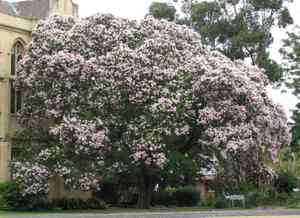
For cape chestnut, a blooming tree recognized for its vibrant pink flowers and lustrous leaves, trimming is best performed in late winter or early spring to improve its inherent form and encourage robust development. Sever any lifeless or ailing limbs and thin out congested sections to facilitate light penetration and air movement. Consistent elimination of basal shoots and intersecting branches will preserve its architectural soundness. Post-flowering pruning fosters energetic growth and optimizes the subsequent season's floral display.
What Are the Benefits of Pruning Cape Chestnut?
What Are the Benefits of Pruning Cape Chestnut?
Trimming cape chestnut encourages robust development and preserves its desired shape. Strategic cuts improve the tree's framework, facilitating better air movement and sunlight penetration, which are vital for the tree's health and flower production.
What Is the Best Time for Pruning Cape Chestnut?
What Is the Best Time for Pruning Cape Chestnut?
Pruning cape chestnut in late winter or early spring is timed to coincide with its dormant period before active growth begins. During late winter, cape chestnut has not yet started new growth, which allows for easier shaping and removal of unwanted branches without stressing the plant. This timing also prevents sap loss that can occur if pruning is done when the plant is actively growing or fully leafed. Pruning before the spring growth spurt means cuts have time to heal before energy is directed to foliage and flower development. Furthermore, this timing reduces the risk of transmitting diseases or attracting pests that are more active in warmer conditions. Pruning in early spring also allows gardeners to remove any frost damage from winter and to stimulate the plant's growth in preparation for the new season.
What Tools Do I Need to Prune Cape Chestnut?
Bypass Pruners
Perfect for making precise cuts on smaller branches, typically up to 3/4 inches in diameter, which is crucial for the well-being of cape chestnut.
Loppers
These offer increased leverage for thicker branches, usually up to 2 inches in diameter, and can help manage cape chestnut's growth without causing undue harm.
Pruning Saw
For any mature or thick branches exceeding 2 inches in diameter, a pruning saw facilitates easier cutting without tearing, which can be essential for the larger limbs of cape chestnut.
Pole Pruner
Since cape chestnut can grow quite tall, a pole pruner may be necessary to reach and safely trim higher branches without needing a ladder.
How to Prune Cape Chestnut
Cleaning tools
Before beginning, sanitize pruning tools with a bleach and water solution to prevent disease spread.
Selective pruning
Identify and remove all dead branches to enhance air circulation and light penetration for cape chestnut. Make cuts at a 45-degree angle just above a live bud or branch junction.
Diseased branches
Cut away any diseased branches of cape chestnut, ensuring the entire infected area is removed. Disinfect pruning tools after each cut to prevent contamination.
Dispose
Discard any removed dead or diseased material away from healthy cape chestnut plants to prevent potential infection spread.
Monitoring
Continuously observe cape chestnut for any signs of dead or diseased wood and repeat the pruning process as needed to maintain plant health and vigor.
Common Pruning Mistakes with Cape Chestnut
Overpruning
Removing too much growth from cape chestnut, which can stress the plant and lead to poor health or reduced flowering.
Improper cut location
Cutting too close or too far from the bud, which may damage the plant or result in unwanted growth patterns.
Using dull tools
Pruning cape chestnut with dull or unclean tools, which can create jagged cuts that are more susceptible to pests and disease.
Neglecting to prune
Failing to remove dead or diseased wood can hinder cape chestnut's growth and compromise the plant's overall health.
Pruning within suckers
Mistakenly encouraging growth of suckers or water sprouts, which can drain energy from cape chestnut and lead to a less desirable shape.
Common Pruning Tips for Cape Chestnut
Sharp clean tools
Using sharp and sterilized pruning tools to make clean cuts that heal quickly, minimizing the risk of disease.
Selective pruning
Targeting specific branches for removal to shape cape chestnut and promote better air circulation within the canopy.
Angle cuts away from buds
Making cuts at a 45-degree angle away from buds to ensure water runs off and does not collect, causing rot or disease.
Thin rather than shear
Thinning out branches instead of shearing the plant, allowing light into the interior of cape chestnut and encouraging healthy growth.
Follow plants natural form
Pruning in a way that maintains and enhances cape chestnut's natural growth pattern, rather than against it, for a more aesthetically pleasing outcome.



