How to Prune Incense cedar?
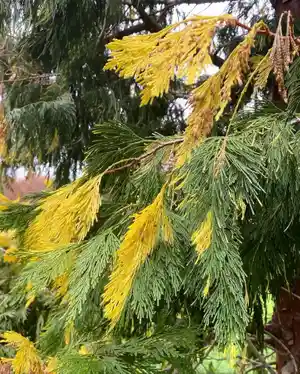
This evergreen species is recognized for its fragrant timber and compact, conical structure. For incense cedar, trimming ought to concentrate on eliminating deceased or fractured limbs, sculpting for visual appeal, and decreasing thickness to avert ailments. The optimal period is during its inactive phase, usually winter, prior to the emergence of new shoots in spring. Trimming at this time lessens sap depletion and strain. Particular care must be taken to preserve its inherent silhouette, as excessive removal can result in sparse regeneration.
What Are the Benefits of Pruning Incense Cedar?
What Are the Benefits of Pruning Incense Cedar?
Trimming incense cedar promotes robust development and preserves its desired form. Deliberate cuts can help the plant develop stronger, healthier limbs and prevent excessive growth, ensuring its visual appeal and structural soundness.
What Is the Best Time for Pruning Incense Cedar?
What Is the Best Time for Pruning Incense Cedar?
Winter is the ideal period for trimming incense cedar as it's typically dormant due to colder temperatures. During dormancy, the plant's metabolic processes slow, minimizing stress and disease transmission risk when cuts are made. Also, the absence of leaves at this time offers better visibility of the plant's structure, allowing for more precise and effective pruning. Trimming in winter before new spring growth emerges enables incense cedar to focus energy on healing and producing vigorous new shoots. Furthermore, pruning in this season avoids cutting off emerging buds crucial for that year's growth. It also reduces the chance of sap bleeding, which can attract insects and lead to infections.
What Tools Do I Need to Prune Incense Cedar?
Hand Pruners
For clipping small branches and shaping incense cedar, hand pruners or secateurs are perfect, allowing accurate cuts without harming surrounding foliage. Opt for bypass pruners over anvil types for clean cuts that encourage rapid healing.
Lopping Shears
When dealing with branches too thick for hand pruners (up to 1.5 inches in diameter), lopping shears provide the necessary leverage with their long handles, reducing the effort needed to prune incense cedar.
Pruning Saw
For branches thicker than lopping shears can manage, a pruning saw allows for cutting through larger limbs of incense cedar. The saw's teeth are designed to cut on the pull stroke, offering control and reducing injury risk.
Pole Pruner
Incense cedar can reach considerable heights. To safely prune higher branches without a ladder, a pole pruner offers extended reach, often including both a saw and a lopper attachment for versatility.
Hedge Shears
If incense cedar is being maintained as a hedge, hedge shears can be used to shape its outer surfaces. They are not suitable for major cuts but are excellent for trimming and shaping the foliage to encourage dense growth.
How to Prune Incense Cedar
Step1: Timing Pruning for Optimal Plant Health
Determine the best time to prune incense cedar, typically late winter or early spring before new growth starts. This timing helps avoid exposing cuts to extreme weather and prevents sap loss, which can occur if pruned in late spring or summer.
Step2: Identify and Remove Dead Wood
Examine incense cedar for dead wood, characterized by a lack of leaves, brittle branches, and a gray, lifeless appearance. These can be removed at any time of year as they do not contribute to the plant's health.
Step3: Detect and Sterilize Diseased Branches
Look for diseased branches on incense cedar, which may show discoloration, unusual growth patterns, or the presence of fungi. It's crucial to sterilize pruning tools before and after cutting diseased limbs to prevent disease spread.
Step4: Prune Environmentally Damaged Limbs
Assess incense cedar for any damaged limbs caused by environmental factors like wind or heavy snow. Removing these is vital to prevent further harm to the plant or its surroundings.
Step5: Precise Cuts with Clean Tools
Using sharp, clean pruning shears or a saw, make accurate cuts on incense cedar. For dead wood and damaged limbs, cut back to the point of healthy wood, often indicated by a green layer under the bark.
Step6: Remove Diseased Branches Thoroughly
When trimming diseased branches from incense cedar, cut at least several inches below the affected area to ensure all infected tissue is eliminated.
Step7: Cut at an Angle for Healthy Re-Growth
Make cuts at a 45-degree angle about 1/4 inch above a bud or branching point to promote healthy re-growth on incense cedar. Avoid leaving stubs as they can impede the healing process and lead to decay.
Step8: Dispose Removed Material Safely
After pruning incense cedar, properly discard the removed material, especially if it contains diseased parts. Do not compost as diseases could spread to other plants.
Step9: Shaping and Conservational Pruning
If shaping is needed for incense cedar, focus on maintaining its natural pyramidal form. It's crucial not to over-prune, which can weaken the plant's structure and health.
Step10: Post-Pruning Plant Care
Water and mulch incense cedar after pruning to aid the plant's recovery and boost its root system.
Post-Pruning Care for Incense Cedar
Post-Pruning Care for Incense Cedar
Immediately after trimming incense cedar, ensure cuts are clean to facilitate healing. Manage light exposure, keeping incense cedar in bright, indirect sunlight, and maintain moderate humidity and stable temperatures to reduce stress. Apply a balanced, slow-release fertilizer to support new growth. Regularly inspect for signs of stress, including wilting or discoloration, and for infection evidence like sap oozing or unusual growths. If such issues arise, promptly apply an appropriate fungicide or anti-bacterial treatment.
Common Pruning Mistakes with Incense Cedar
Over-pruning harms branch structure and shape
Trimming too aggressively, which can lead to weak or damaged branches and may hinder incense cedar's natural conical shape.
Avoid cutting old wood that won't regrow
Cutting into old wood that does not readily produce new growth, potentially resulting in bare patches and an undesirable appearance.
Risk of spreading disease with unclean tools
Failing to sanitize pruning tools before use, risking the spread of disease among incense cedar plants or across different species.
Common Pruning Tips for Incense Cedar
Remove dead or diseased branches first
Start by removing dead, damaged, or diseased branches to maintain incense cedar's health and prevent infection.
Use clean cuts above buds to promote dense growth
Make clean, angled cuts just above a bud or branching point to encourage incense cedar to grow more densely without leaving stubs that can cause decay.
Thin crowded areas for better air and light
Thin out congested areas to improve air circulation and light penetration, which supports the overall vitality of incense cedar.



