How to Prune Scotch heather?
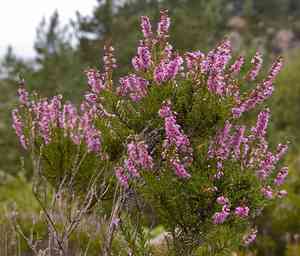
This perennial bush, recognized for its slender foliage and rosy or pale blossoms, flourishes in acidic ground and expansive moorlands. For scotch heather, perform a gentle trim following the blooming period to preserve its form and foster a denser habit. The most suitable time for trimming is in early spring or during winter to safeguard nascent growth from freezing temperatures. Trimming invigorates development, boosts floral production, and deters an elongated appearance. It is essential to refrain from severing into mature wood, as it might not regrow.
Advantages of Trimming Scotch Heather
Advantages of Trimming Scotch Heather
Trimming scotch heather promotes abundant flowering and vigor, decreasing susceptibility to pests and illnesses, thereby ensuring healthier and more attractive development.
Optimal Time for Pruning Scotch Heather
Optimal Time for Pruning Scotch Heather
In early spring, scotch heather is emerging from dormancy but hasn't begun its main growth phase, making it an ideal time for pruning without stressing the plant. Pruning during this period allows for shaping and removal of dead or old wood before new growth starts, leading to a healthier and more visually appealing plant. Winter pruning is suitable as the plant is dormant, minimizing sap loss and reducing the risk of pest or disease entry through cuts. This timing also prepares scotch heather for robust spring growth, ensures the previous season's flowering isn't negatively impacted, and maintains the plant's natural form.
Required Tools for Pruning Scotch Heather
Hand Pruners
Perfect for scotch heather's slender stems, providing precise cuts without harming the plant.
Shears
Useful for shaping scotch heather, especially when trimming tips to encourage a fuller appearance.
Gardening Gloves
Protection for the gardener, as scotch heather can have spiky foliage.
Pruning Saw
For older, tougher scotch heather stems that hand pruners cannot manage.
How to Prune Scotch Heather
Step1: Pruning Schedule
Select the appropriate time for pruning scotch heather, ideally in spring after the last frost but before new growth starts, to allow for effective healing and regrowth.
Step2: Tool Sterilization
Sanitize your pruning tools with rubbing alcohol or a 10% bleach solution to prevent disease spread between plants.
Step3: Deadhead Spent Blooms
Begin by removing dead flowers. Carefully snip off spent bloom stalks at their base where they meet the foliage, avoiding cutting into new buds forming beneath old flowers.
Step4: Removing Dead Wood
Identify and remove any dead wood. Cut back dead branches to the base or to a point with healthy, green growth. Ensure cuts are clean and avoid tearing stems.
Step5: Trimming Leggy Growth
Prune leggy growth to encourage bushier plants. Selectively trim back leggy stems by cutting just above a healthy set of leaves or buds, ensuring you don’t remove more than one-third of the stem’s length to maintain plant vigor.
Step6: Shaping the Plant
Shape the scotch heather for aesthetics if needed, following its natural mound or dome form. Even out the plant by pruning disproportionate sections, but always cut above a leaf node to promote healthier regrowth.
Step7: Clean Up Pruned Debris
Rake up and remove all pruned material from around the base of the scotch heather to reduce the chance of fungal diseases and keep the area tidy.
Step8: Post-Pruning Watering
Water the scotch heather after pruning to help reduce plant stress and provide necessary hydration for recovery and new growth.
Step9: Monitor Plant Recovery
Monitor the scotch heather for signs of stress and growth. Pruned areas should show new growth in the following weeks, indicating successful pruning.
Post-Pruning Care for Scotch Heather
Post-Pruning Care for Scotch Heather
Immediately after pruning scotch heather, water thoroughly to alleviate stress. Maintain a well-lit environment, avoiding strong direct sunlight that can scorch stems. Keep scotch heather in mild temperatures and moderate humidity to promote healing. Apply a balanced, slow-release fertilizer to nourish scotch heather and support new growth. Monitor scotch heather regularly for discoloration or wilting, indicating stress or disease. If symptoms persist, consult a plant pathology source to address potential infections or infestations promptly.
Common Pruning Errors with Scotch Heather
Excessive Pruning Can Hinder Growth and Flowers
Pruning scotch heather too severely, which can result in the plant failing to produce new growth or flowers, as scotch heather does not regrow from old wood.
Incorrect Cutting of Woody Stems May Kill Plant
Cutting into woody stems where no green shoots exist can kill off parts of the plant or even the entire plant if done excessively.
Failing to Deadhead Reduces Future Blooms
Neglecting to remove dead flowers or seed heads, which can lead to a decrease in the next season's blooms.
Dirty or Dull Tools Harm Plants and Spread Disease
Using unclean or dull pruning tools that can inflict damage to stems and increase the risk of disease.
General Pruning Advice for Scotch Heather
Use Sharp, Clean Shears for Healthy Cuts
Always use sharp and clean pruning shears to make precise cuts, which will help prevent disease and encourage healthy regrowth.
Deadhead Faded Flowers to Base for Better Blooms
Cut back faded flowers on scotch heather to the base of the flower stalk to promote more vigorous growth and abundant flowering in the next season.
Thin Crowded Stems to Boost Airflow and Light
Thin out crowded areas by selectively removing some stems to improve air circulation and light penetration, which can help prevent disease and promote even growth.
Lightly Trim Top Growth to Maintain Plant Shape
Prune scotch heather by lightly trimming the top growth to maintain a compact and bushy form, taking care not to cut into older woody stems where no green growth is present.
Shape Post-Flowering, Before Next Growth Cycle
After flowering, lightly shape scotch heather if necessary, but ensure this is done well before the plant prepares for the next year's growth.



