How to Prune China aster?
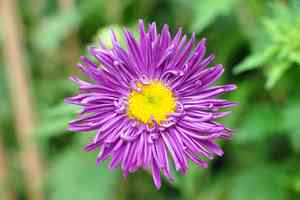
This favored decorative plant, admired for its vibrant, daisy-like blossoms, flourishes with consistent trimming to encourage a fuller form and enhance flowering. Removing spent blooms from china aster during its flowering period stimulates ongoing flower development. Pinching the ends of young specimens promotes lateral growth. Trim china aster in early spring to preserve its structure and vitality. Perform minimal pruning in late autumn to ready it for its winter resting phase. Advantages encompass improved air movement and protection against ailments, resulting in more vigorous presentations.
What Are the Benefits of Pruning China Aster?
What Are the Benefits of Pruning China Aster?
Trimming china aster promotes vigorous development and maintains its structure. Removing faded flowers redirects energy to new blossoms, resulting in a more abundant display. Consistent trimming shapes the plant, ensuring a compact, appealing form perfect for garden aesthetics.
What Is the Best Time for Pruning China Aster?
What Is the Best Time for Pruning China Aster?
Pruning china aster in early spring allows it to direct energy into producing strong, new growth as it awakens from dormancy. Since china aster is an annual, trimming at this time can help shape the plant and encourage a bushier habit, leading to more blooms. Pruning in late fall is also beneficial for china aster after flowering has concluded, as it prepares the plant for winter and removes any spent or dead stems that could harbor pests or diseases. These periods ensure the plant maintains vitality and maximizes its flowering potential.
What Tools Do I Need to Prune China Aster?
Hand Pruners
Perfect for cutting back china aster to remove spent blooms and to shape the plant. Bypass pruners create clean cuts that heal quickly.
Shears
Suitable for trimming and shaping the foliage of china aster when a larger cutting area is required.
Gloves
Protective gloves are crucial to prevent scratches and irritation from handling china aster, especially when deadheading or cutting back stems.
Disinfectant
Using a disinfectant to clean tools between cuts can help prevent the spread of disease in china aster.
How to Prune China Aster
Step1: Sanitize Pruning Tools
Arm yourself with clean, sharp scissors or pruning shears. Sterilize the blades with rubbing alcohol to prevent disease transmission among your plants.
Step2: Identify Dead Material
Inspect china aster for dead flowers and old petals that need trimming. This will stimulate new growth and help maintain a healthy plant.
Step3: Locate Healthy Leaves
Gently grasp a dead flower or cluster of old petals between your fingers, and trace the stem back to the first set of healthy leaves.
Step4: 45-Degree Angle Cut
Make a clean cut at a 45-degree angle approximately 1/4 inch above the leaf set without harming any new buds that might be forming.
Step5: Remove All Dead Material
Continue this process around the entire plant, removing all dead flowers and old petals. Avoid cutting any new buds or healthy tissue.
Step6: Dispose of Plant Debris
After pruning china aster, properly discard the dead material to prevent potential disease or pest issues.
Step7: Post-Pruning Watering
Water the plant sufficiently after pruning to aid its recovery and encourage new growth. If necessary, apply a balanced fertilizer to provide additional nutrients.
Step8: Monitor and Repeat Pruning
Regularly check china aster for additional dead or faded flowers, repeating these pruning steps to maintain plant vigor and flower production.
Post-Pruning Care for China Aster
Post-Pruning Care for China Aster
Immediately after pruning china aster, water the plant thoroughly to minimize stress. Maintain ambient temperatures of 65-75°F (18-24°C) with high humidity and partial sun exposure to promote recovery. Apply a balanced, slow-release fertilizer to replenish nutrients. Monitor china aster regularly for wilting or discolored leaves, which may indicate stress or infection. If such signs appear, adjust care and consult a horticultural expert for potential treatments.
Common Pruning Mistakes with China Aster
Overpruning Central Stem Reduces Blooms
Excessively pruning the central stem, which can restrict growth and the number of blooms on china aster.
Unsanitized Tools May Spread Diseases
Failing to sanitize pruning tools before use, potentially spreading disease to china aster.
Too-Close Cuts Damage Plant Vigor
Cutting the stems of china aster too close to the main stem, which can harm the plant and diminish its vigor.
Late Season Pruning Hurts New Growth
Pruning too late in the growing season, which can stimulate new growth that is too delicate to survive early frosts.
Indiscriminate Pruning Weakens Plant
Removing healthy leaves and stems without discretion, which can weaken china aster and reduce its overall health and flowering capacity.
No Pruning Leads to Leggy Growth
Neglecting to prune at all, which can result in a leggy and sparsely flowered plant, as china aster benefits from regular light pruning.
Common Pruning Tips for China Aster
Sterilize Tools to Prevent Disease
Sterilize pruning tools with alcohol or a bleach solution before beginning to prevent the spread of diseases between plants.
Deadhead to Encourage More Blooms
Regularly remove spent blooms from china aster, also known as deadheading, to encourage further flowering and maintain a tidy appearance.
Clean Cuts Above Leaves Promote Growth
Make clean cuts on stems just above a set of leaves or a branching point to promote regrowth and a bushier habit.
Thin Stems for Better Air Circulation
Thin out any crowded stems to improve air circulation, which reduces the risk of fungal diseases for china aster.
Pinching Young Plants Boosts Branching
Pinch off the tips of young plants to stimulate branching, leading to more flowers and a fuller shape.
Prune with Balance for Plant Health
Ensure a balanced approach to pruning, removing only what is necessary for shaping and health rather than excessively stripping the plant.



