How to Prune Weeping bottlebrush?
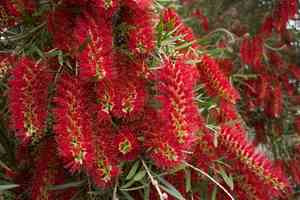
A favored garden decoration, this perennial shrub showcases flowing branches adorned with vivid, brush-like blossoms. For weeping bottlebrush, trim directly following blooming to preserve its form and foster a denser habit. Annually shortening the longest stems by one-third encourages revitalization. Winter pruning coincides with its inactive phase, facilitating vigorous spring development. Specifically for weeping bottlebrush, trimming boosts flower production and deters sparse growth. Always employ sanitized, keen implements to lessen strain and the potential for illness in weeping bottlebrush.
Advantages of Trimming Weeping Bottlebrush
Advantages of Trimming Weeping Bottlebrush
Trimming weeping bottlebrush promotes robust development and helps preserve its desired form. Well-timed cuts boost plant vigor, allocating more resources for new growth and flower production.
Optimal Time for Trimming Weeping Bottlebrush
Optimal Time for Trimming Weeping Bottlebrush
Late winter is the best time for trimming weeping bottlebrush as it occurs just before the spring growth cycle when the plant is still dormant. Pruning at this time minimizes stress on weeping bottlebrush, allowing it to direct energy towards new spring growth. This timing also prevents the removal of flower buds, which form on new wood, ensuring the plant's flowering potential is not reduced. Furthermore, late winter pruning helps prevent disease, as many pathogens are less active, lowering infection risk at cut sites.
Tools Required for Trimming Weeping Bottlebrush
Hand Pruners
For cutting small branches and shaping weeping bottlebrush, quality hand pruners are essential. They enable precise cuts and are suitable for the delicate work needed to maintain the plant's natural weeping shape.
Loppers
For branches too thick for hand pruners, typically up to 1.5 inches in diameter, loppers provide the necessary leverage and cutting power while still allowing for accurate shaping of weeping bottlebrush.
Pruning Saw
For the thickest parts of weeping bottlebrush, especially when removing main branches or managing old, woody growth, a pruning saw is crucial. It ensures clean cuts without harming surrounding branches.
Pole Pruner
Given the height and weeping habit of weeping bottlebrush, a pole pruner can reach higher branches without a ladder, reducing potential safety risks during pruning.
Gloves
Protective gloves are advised to prevent scratches and ensure a firm grip on tools when trimming weeping bottlebrush.
Sharpening Tool
Keeping cutting tools sharp is vital for making clean cuts that heal properly and reduce the risk of disease for weeping bottlebrush.
How to Trim Weeping Bottlebrush
Inspect And Prepare
Examine weeping bottlebrush for any dead or diseased branches. Ensure your pruning shears are clean and sharp, capable of making precise cuts without tearing plant tissue.
Sanitize Tools
Before you start trimming, disinfect your pruning tools with alcohol or a bleach solution to prevent disease transmission.
Remove Dead Branches
Trim dead branches at their point of origin or back to a healthy lateral branch. Make cuts just above a bud or node, angling away to allow water runoff.
Eliminate Diseased Branches
Remove diseased branches by cutting well below the affected area, ensuring all diseased parts are gone. Dispose of them properly to avoid contaminating compost or other garden areas.
Cleanup
Clear all trimmed material from around weeping bottlebrush and dispose of it correctly. Disinfect your tools again after finishing to prevent any potential disease spread.
Common Trimming Errors with Weeping Bottlebrush
Excessive Pruning
Removing too much foliage at once can stress weeping bottlebrush, leading to poor health and sparse flowering. It's important not to remove more than one-third of the plant's total volume during a single pruning session.
Incorrect Cut Placement
Cutting too close or too far from the node can cause damage or leave unsightly stubs. Cuts should be made just above leaf nodes or bud joints to encourage healthy new growth.
Trimming Healthy Growth
Unnecessarily cutting healthy branches and leaves can impede weeping bottlebrush's growth and reduce its ability to photosynthesize effectively. Only prune dead or unhealthy branches unless shaping the plant.
Using Dull Tools
Employing dull or dirty pruning tools can result in jagged cuts, which are more prone to disease. Always use sharp and sterile tools for clean cuts.
Ignoring Diseased Branches
Failing to remove diseased or pest-infested branches can allow the problem to spread throughout weeping bottlebrush. Promptly pruning these branches helps maintain plant health.
Disregarding Natural Shape
Excessive shaping or ignoring the weeping habit of weeping bottlebrush can result in an unnatural appearance and compromise its aesthetic appeal. Pruning should enhance its natural form.
General Trimming Advice for Weeping Bottlebrush
Targeted Pruning
Focus on specific areas for thinning to improve air circulation and light penetration throughout weeping bottlebrush, which promotes healthy growth and reduces disease risk.
Encouraging Flowers
Prune just behind spent flower spikes to stimulate weeping bottlebrush to produce new flowering wood, enhancing the floral display in subsequent seasons.
Maintenance Trimming
Regularly remove any dead, damaged, or crossing branches to maintain weeping bottlebrush's appearance and health. This includes snipping away any suckers or water sprouts.
Shaping Young Plants
Lightly prune young weeping bottlebrush to encourage a strong, balanced framework. This establishes an attractive shape early on and supports vigorous growth.
Rejuvenation Trimming
For older weeping bottlebrush that have become leggy or overgrown, consider more extensive pruning to rejuvenate and restore vitality. This involves cutting back hard but should be done cautiously and not too frequently.
Post-Bloom Care
After the main flowering period, prune weeping bottlebrush to shape it and remove any excess growth. This keeps the plant looking tidy and ready for the next flush of blooms.



