How to Prune Bottlebrush?
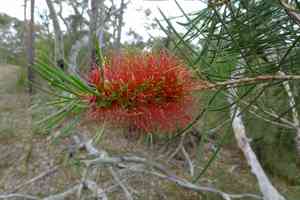
This lively, decorative shrub, recognized for its cylindrical, brush-like blossoms, thrives with trimming after its blooming period, from late spring to early summer. This practice helps preserve its form and stimulates vigorous development. Consistently eliminate faded flowers and reduce congested limbs. Reduce older growth by as much as one-third to foster the emergence of new stems. Appropriate trimming boosts flowering and prevents an elongated appearance, guaranteeing a sturdy and appealing presentation for the subsequent season.
What Are the Benefits of Pruning Bottlebrush?
What Are the Benefits of Pruning Bottlebrush?
Trimming bottlebrush promotes abundant blooming by diverting energy towards flower production. It also aids in preventing pest and disease issues by eliminating compromised or dead branches, thereby sustaining the plantâs vitality and resilience.
What Is the Best Time for Pruning Bottlebrush?
What Is the Best Time for Pruning Bottlebrush?
Trimming bottlebrush from late spring to early summer coincides with its post-flowering period, fostering vigor and health. This timing ensures minimal disruption to the flowering cycle, as bottlebrush typically blooms on the prior yearâs growth. Pruning during this window encourages new development, enhancing the subsequent flowering season. It also allows bottlebrush to recover during its active growth phase, reducing stress and susceptibility to disease.
What Tools Do I Need to Prune Bottlebrush?
Bypass Pruners
Perfect for making clean cuts on the smaller stems of bottlebrush, minimizing damage and promoting better healing.
Long-Handled Loppers
Useful for reaching into the denser areas of bottlebrush and cutting through thicker branches that bypass pruners cannot manage.
Pruning Saw
Essential for removing any large branches exceeding an inch in thickness to maintain the form and health of bottlebrush.
Hedge Shears
Suitable for shaping the outer foliage of bottlebrush when a more manicured appearance is desired.
Gloves
To safeguard hands from the spiky leaves of bottlebrush during the trimming process.
How to Prune Bottlebrush
Starting
Prepare sanitized pruning tools. Clean and sharpen shears, loppers, and saws to ensure precise cuts and prevent disease transmission while trimming bottlebrush.
Cleaning
First, remove diseased and withered leaves, along with infected branches. This prevents the spread of pathogens and improves air circulation within bottlebrush.
Shaping
Trim dead branches and excessive growth to maintain the desired form and size of bottlebrush. Cut back to the nearest healthy stem or bud, avoiding stubs.
Deadheading
Snip off spent flowers at the stem just below the faded bloom. This encourages bottlebrush to produce more flowers and prevents the plant from expending energy on seed production.
Thinning
Reduce crowded branches to increase light penetration and enhance air flow through the center of bottlebrush, which is crucial for preventing fungal diseases and encouraging robust growth.
Common Pruning Mistakes with Bottlebrush
Over-Pruning
Removing too much foliage at once, which can stress bottlebrush and lead to reduced flowering or even plant death.
Being Too Cautious
Under-pruning due to fear of harming bottlebrush can result in poor air circulation and light penetration, diminishing plant vigor and blooming potential.
Cutting Anywhere On The Stem
Indiscriminate cuts can damage bottlebrush by creating open wounds prone to pests and diseases, rather than strategic cuts that promote healthy growth patterns.
Ignoring Dead Or Diseased Branches
Failing to remove unhealthy wood prevents bottlebrush from directing energy to new, healthy growth and can spread disease.
Pruning Into Old Wood
Unlike many other plants, bottlebrush may not respond well to hard pruning into old, leafless wood, as it may not regenerate effectively.
Common Pruning Tips for Bottlebrush
Selective Thinning
Remove specific branches to improve air circulation and light penetration, enhancing bottlebrush's overall health and bloom quality.
Prune For Shape
Gently shape bottlebrush to maintain an attractive form and ensure that the plant doesn't become leggy or overgrown.
Cut Above Leaf Nodes
When shortening branches, make cuts above leaf nodes at a slight angle to encourage new growth in the desired direction.
Regular Maintenance
Perform regular light pruning rather than infrequent severe cuts to maintain the health and aesthetics of bottlebrush.
Sanitize Tools
Clean pruning shears with a disinfectant before and after use to prevent the spread of disease to or from bottlebrush.



