How to Prune Basket plant?
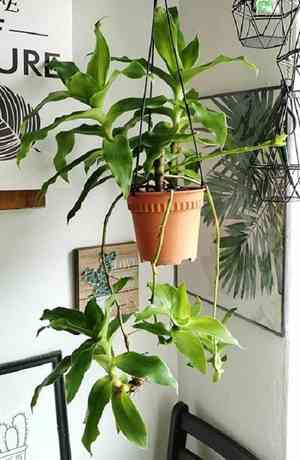
A resilient plant exhibiting succulent traits, the basket plant benefits significantly from trimming to preserve its form and stimulate vigorous development. Essential methods involve nipping back the ends to foster branching and eliminating any withered or discolored foliage. The most opportune time for pruning spans from early spring through late autumn, aligning with its periods of active growth. Consistent trimming helps manage its dimensions, elevate its aesthetic charm, and avert spindly growth, thereby guaranteeing a sturdy and appealing specimen.
Advantages of Trimming Basket Plant
Advantages of Trimming Basket Plant
Trimming basket plant promotes more vigorous development by eliminating old or overgrown sections. It aids in maintaining the desired form and managing its dimensions, fostering a fuller and neater look.
Optimal Time for Pruning Basket Plant
Optimal Time for Pruning Basket Plant
Pruning basket plant in early spring supports its strong growth phase as it awakens from dormancy, boosting its vitality and shaping its structure before the active season. Late autumn is also suitable as the plant's growth slows, allowing it to recover from pruning without expending excessive energy, thus avoiding stress during its less active period. These seasons ensure the health and visual appeal of basket plant without disrupting flowering or active growth stages.
Necessary Tools for Pruning Basket Plant
Hand Pruners
Crucial for making precise cuts on basket plant's smaller stems. Bypass pruners are ideal as they create a clean incision without crushing plant tissue, which is vital for the plantâs well-being.
Gardening Shears
Excellent for shaping and preserving the desired form of basket plant, especially for trimming back long runners to encourage denser growth.
Gloves
Although basket plant is not known for thorns, wearing gardening gloves can shield skin from potential sap irritation and offer a better grip on pruning tools.
Disinfectant
Regularly sanitizing blades with rubbing alcohol or a bleach solution prevents the transmission of diseases between plants during the pruning process.
Method for Pruning Basket Plant
Step1: Identifying Unhealthy Foliage
Locate dead or yellowing leaves on basket plant to preserve the plant's health and appearance.
Step2: Sterilizing Pruning Tools
Utilize clean, sharp scissors or pruning shears, sanitized with rubbing alcohol or a bleach solution, to prevent disease spread.
Step3: Careful Removal of Dead Leaves
Gently remove dead foliage near the stem's base, ensuring not to pull or tear, which could harm healthy parts of basket plant.
Step4: Pruning for Bushier Growth
Pinch or cut any overgrown shoots on basket plant to encourage denser growth. Make cuts just above leaf nodes, where the leaf or branch meets the stem.
Step5: Shaping the Plant
Shape basket plant by selectively trimming overgrown areas to create a balanced, appealing look. Aim to make cuts that follow the plant's natural growth habit.
Step6: Pruning Moderation
Avoid severe pruning; do not remove more than one-third of basket plant's total foliage at once to prevent shock.
Step7: Post-Pruning Care
After pruning, water basket plant thoroughly, and provide adequate light to support recovery and new growth.
Step8: Disposal and Tool Cleanup
Discard or compost the removed foliage and clean your tools after the session to prepare for next use and prevent pest or disease spread.
Step9: Monitoring and Maintenance Pruning
Monitor basket plant regularly for new growth and consider additional light pruning as needed to maintain shape and size.
Aftercare for Basket Plant Post-Pruning
Aftercare for Basket Plant Post-Pruning
Immediately after pruning, water basket plant thoroughly to lessen shock. Place basket plant in indirect sunlight and maintain humidity with regular misting to aid recovery. Keep basket plant at a consistent temperature of 60-75°F. Two weeks post-pruning, reintroduce a balanced fertilizer to encourage healthy regrowth. Diligently monitor basket plant for signs of stress, such as wilting or discoloration, and for any signs of infection like unusual spots or decay. If symptoms appear, isolate the plant and trim any additional affected areas, ensuring sterilized tools are used.
Common Pruning Errors with Basket Plant
Excessive Pruning Stress
Pruning too aggressively, which can stress basket plant, leading to poor development or a reduction in the plant's vigor.
Dull or Dirty Tool Use
Using dull or unclean pruning tools that can make imprecise cuts or introduce disease to basket plant.
Over-Removal of Leaves
Removing too many leaves, which can diminish basket plant's capacity to photosynthesize and grow healthily.
Lack of Pruning Plan
Pruning without a clear objective, resulting in an undesirable shape or size, or accidentally removing new buds crucial for flowering.
Ignoring Dead Material
Neglecting to remove dead or diseased material, which can impede basket plant's health and aesthetic appeal.
General Pruning Advice for Basket Plant
Use Clean, Sharp Tools
Always use clean, sharp pruning shears to make precise cuts that basket plant can heal from efficiently and to minimize disease transmission risk.
Prune for Bushier Growth
Target leggy or overgrown stems to encourage denser growth by making cuts just above a leaf node where new growth can readily sprout.
Regular Light Pruning
Prune lightly and consistently to maintain the desired shape and size of basket plant, which can also help avoid shock from more drastic pruning sessions.
Remove Unhealthy Foliage First
Prioritize removing dead, damaged, or diseased foliage first, as this helps improve air circulation and directs energy to healthier parts of basket plant.
Care After Pruning
After pruning, provide basket plant with sufficient water and a balanced fertilizer to support recovery and new growth.



