How to Prune Purple beautyberry?
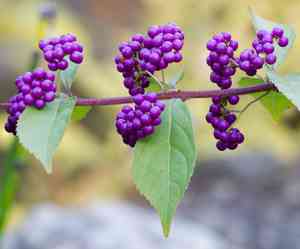
This leaf-shedding bush, recognized for its vivid violet berries and gracefully curved limbs, flourishes when cared for correctly. For purple beautyberry, conduct pruning in the initial part of spring prior to the emergence of fresh shoots. Cut back older branches to stimulate new development and uphold its form. Reduce density in the center to improve light access and airflow. This safeguards the plant's well-being and fosters abundant berry yields. Removing spent flowers is not required, as purple beautyberry inherently blossoms on fresh wood, ensuring prolific fruiting in response to trimming.
What Are the Benefits of Pruning Purple Beautyberry?
What Are the Benefits of Pruning Purple Beautyberry?
Trimming purple beautyberry promotes robust development and helps maintain its desired form. Consistent cutting encourages fuller foliage and denser clusters of vivid berries, ensuring a more striking visual in the landscape.
What Is the Best Time for Pruning Purple Beautyberry?
What Is the Best Time for Pruning Purple Beautyberry?
Pruning purple beautyberry in early spring is considered ideal as it coincides with the plant's dormant phase just before new growth begins. This timing allows gardeners to shape the plant and remove any dead or damaged wood without impacting future blooms. It also ensures energy is directed towards generating new, healthy growth, crucial for subsequent flowering and fruiting periods. Early spring pruning also minimizes the risk of disease transmission common in wetter seasons. By following this guideline, the plant's health is enhanced, leading to a more vigorous specimen with abundant purple berries in late summer and fall.
What Tools Do I Need to Prune Purple Beautyberry?
Hand Pruners
Perfect for snipping thin stems and deadheading, offering precise control for shaping purple beautyberry.
Bypass Pruners
Recommended for making clean cuts on living wood without crushing plant tissues, thereby fostering healthier regrowth on purple beautyberry.
Loppers
Equipped with long handles to provide leverage for cutting thicker branches that hand pruners cannot comfortably manage.
Pruning Saw
Essential for cutting through branches thicker than those manageable by loppers, ensuring clean removal without harming purple beautyberry.
Gloves
Hand protection from thorns or rough stem surfaces when trimming purple beautyberry.
Pruning Shears (Scissor type)
Useful for shaping purple beautyberry by precisely refining twiggy growth.
How to Prune Purple Beautyberry
Step1: Tool Preparation and Disinfection
Prepare your pruning implements. Ensure your pruning shears, loppers, and pruning saw are clean to prevent disease spread. Sanitize tools with a solution of one part bleach to nine parts water.
Step2: Identifying Dead Branches
Examine purple beautyberry for any lifeless wood. Look for branches that are grayish and lack green, flexible tissue beneath the bark when lightly scratched. These can be removed at any time of year.
Step3: Pruning Dead Wood
Cut dead wood back to living tissue. Use shears for slender branches and a saw for thicker ones. Make your cut at a slight angle, just above a bud, facing away from the center of purple beautyberry.
Step4: Detecting Diseased Limbs
Identify ailing branches by their discoloration, unusual growths, or visible signs of infection. Remove these carefully to avoid contaminating healthy parts of purple beautyberry.
Step5: Removing Diseased Branches
Trim diseased branches back to healthy wood. If the entire branch is affected, remove it completely at its point of origin from the main stem or at the soil line.
Step6: Thinning Out Overgrowth
Reduce overgrown shoots to maintain the natural form of purple beautyberry. Look for branches that disrupt the plant's symmetry or are rubbing against each other.
Step7: Directional Pruning for New Growth
Cut overgrown shoots back to a lateral branch or bud that points in the desired direction for new growth. On purple beautyberry, this will often stimulate growth lower on the branches, giving the shrub a fuller appearance.
Step8: Enhancing Airflow by Shoot Removal
Remove any overgrown shoots that are competing with the main stem for dominance to improve air circulation and ensure the continued health and appearance of purple beautyberry.
Step9: Cleanup of Pruning Debris
After pruning, clear away all cuttings and debris from around purple beautyberry to prevent the spread of disease and pests.
Step10: Post-Pruning Plant Hydration
Water purple beautyberry thoroughly after pruning to aid its recovery from stress and to settle any disturbed soil at the plant's base.
Step11: Monitoring Plant Health Post-Prune
Observe purple beautyberry for signs of new growth and vitality. Adjust next season's pruning as needed based on how purple beautyberry responds to this season's cuts.
Post-Pruning Care for Purple Beautyberry
Post-Pruning Care for Purple Beautyberry
After trimming purple beautyberry, ensure it receives filtered sunlight to prevent stress from intense exposure. Maintain moderate humidity and mild conditions, as extreme changes can impede recovery. Apply a balanced fertilizer to replenish nutrients and encourage growth. Monitor purple beautyberry for wilted foliage or discoloration, indicating stress or infection. If symptoms appear, adjust care and consult a plant pathologist. Regular observation will promote a healthy regrowth phase.
Common Pruning Mistakes with Purple Beautyberry
Over-pruning Causes Plant Shock
Trimming too much at once, which can shock purple beautyberry and lead to poor health or reduced flowering.
Damage from Dull, Dirty Tools
Using dull or unsanitized pruning tools, potentially harming branches and leaving purple beautyberry vulnerable to pests and diseases.
Incorrect Pruning into Old Wood
Cutting into old wood that no longer produces vigorous shoots or flowers, potentially diminishing the plant's ornamental value.
Pruning Against Natural Plant Shape
Not considering the natural form of purple beautyberry when pruning, which can result in an unattractive appearance and hinder the plant's growth potential.
Neglecting Damaged Branches
Ignoring damaged or diseased branches during pruning, which can compromise the overall health and aesthetics of purple beautyberry.
Common Pruning Tips for Purple Beautyberry
Remove Dead or Diseased Branches
Begin by removing any dead, diseased, or damaged branches to maintain the health and appearance of purple beautyberry.
Clean Cuts at 45-Degree Angle
Make clean cuts at a 45-degree angle just above a bud facing the outside of the plant, encouraging outward growth.
Thin for Better Light and Air
Thin out the center of purple beautyberry to increase light penetration and air circulation, which helps prevent disease and promotes more blooms.
Maintain Natural Shape with Selective Pruning
Retain the natural form of purple beautyberry by selectively trimming branches, which encourages balanced growth and enhances the plant's ornamental appeal.
Keep Pruning Tools Clean and Sharp
Regularly clean and sharpen pruning tools to ensure precise cuts and reduce the risk of spreading diseases between plants.
Fertilize After Pruning for Growth
After pruning, apply a balanced, slow-release fertilizer to support new growth and maximize flowering.



