How to Prune American beautyberry?
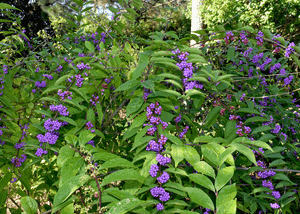
Distinguished by its vivid purple fruits and abundant leaves, american beautyberry flourishes with judicious trimming. Following the berry harvest, remove aged branches to encourage fresh development. Execute formative pruning in early spring to sculpt the shrub and control its dimensions. This method fosters a wealth of berry groupings, crucial for local fauna, and sustains the plant's well-being by improving light access and air circulation.
What Are the Benefits of Pruning American Beautyberry?
What Are the Benefits of Pruning American Beautyberry?
Trimming american beautyberry promotes robust development, fostering a lush look. Shaping also helps maintain a desired form, crucial for the plant's visual appeal.
What Is the Best Time for Pruning American Beautyberry?
What Is the Best Time for Pruning American Beautyberry?
Early spring is considered ideal for pruning american beautyberry as it allows the plant to recover from cuts and immediately produce new growth, aiding a swift recuperation. This timing also precedes the period when american beautyberry starts to form buds for summer flowering and berry production. Pruning at this point minimizes potential loss of blooms and fruits, ensuring the ornamental and wildlife support functions of american beautyberry are preserved. Furthermore, dormant stems that might be damaged or diseased can be removed before new growth emerges, enhancing overall plant health and vigor.
What Tools Do I Need to Prune American Beautyberry?
Hand pruners
Perfect for cutting branches up to 3/4 inch in diameter when shaping american beautyberry or removing compromised stems.
Loppers
Useful for reaching into the shrub and cutting thicker branches, up to 2 inches in diameter, especially when american beautyberry is undergoing revitalization pruning.
Pruning saw
Essential for removing any branches over 2 inches in diameter that may appear on older or overgrown american beautyberry specimens.
Gloves
Protects hands from thorns and rough branches during the pruning process of american beautyberry.
Pruning shears
Best for snipping off smaller twigs or for precise shaping of american beautyberry after the larger cuts have been made.
How to Prune American Beautyberry
Step1: Timing for Optimal Pruning
Select the correct time to prune american beautyberry, which is late winter or early spring before new growth begins. Pruning at this time ensures you won't accidentally remove the current season's flowers since american beautyberry blooms on new wood.
Step2: Old Wood Identification
Examine american beautyberry for old wood, which are stems that have already produced fruit for at least one season. These can be identified by their thicker, woodier appearance and more faded color compared to new growth.
Step3: Proper Angle Cutting Technique
Using sharp pruning shears, make cuts at a 45-degree angle about 1/4 inch above an outward-facing bud on the old wood. This promotes outward growth and prevents water from collecting on the cut surface, which can lead to rot.
Step4: Selective Thinning for Natural Shape
For shaping american beautyberry, maintain its natural arching habit by selectively thinning out branches. Remove no more than one-third of the total branches, starting with the oldest and most unproductive stems to encourage vigorous new growth and berry production.
Step5: Removing Damaged Stems
Identify and remove any damaged stems on american beautyberry. These may appear split, broken, or diseased. Make the cut on damaged stems well below the affected area, ideally back to a main branch or just above a healthy set of leaves.
Step6: Dead Blossom Removal
Locate dead blossoms on american beautyberry, typically present at the ends of branches. Gently snip these off just beyond the last set of healthy leaves. Removing the dead blossoms prevents the plant from expending energy on seed production and helps encourage more blooms in the next season.
Step7: Pruning Tool Disinfection
After pruning, disinfect your pruning shears with a solution of 1 part bleach to 9 parts water to prevent the spread of disease between plants in your garden.
Step8: Cleanup for Plant Health
To finish, clean up any clippings from around the base of american beautyberry to maintain good air circulation and reduce the likelihood of pests or diseases.
Post-Pruning Care for American Beautyberry
Post-Pruning Care for American Beautyberry
After pruning, american beautyberry needs sufficient watering to prevent stress, ensuring soil stays moist but not waterlogged. Place american beautyberry in partial shade to shield cut areas from intense sun. Adjust humidity and temperature to mimic american beautyberry's natural environment. Apply a balanced, slow-release fertilizer to support regrowth. Regularly check for signs of stress, such as wilting leaves or discoloration, and for infection signs, including oozing or unusual spots on stems. Promptly address any issues with appropriate fungicide or pest control measures.
Common Pruning Mistakes with American Beautyberry
Excessive Pruning Compromises Shape and Berry Yield
Overly aggressive pruning or cutting back american beautyberry too severely can jeopardize its natural form and diminish its abundant berry production, which is a key feature of this species.
Over-Trimming Old Wood Reduces Flowers and Berries
Removing too much old wood might decrease the number of flowers and subsequent berries since american beautyberry blooms on new growth that emerges from the previous season's wood.
Ignoring Dead Branches Harms Plant Health
Neglecting to remove dead or diseased branches can impair the overall health and appearance of american beautyberry, leading to reduced vigor and potential spread of diseases.
Unsterilized Tools May Spread Diseases
Failing to sterilize pruning tools between cuts can spread diseases from infected parts of the plant to healthy ones.
Common Pruning Tips for American Beautyberry
Angle Cuts Above Buds Promote Growth and Healing
Make clean cuts at a 45-degree angle just above a set of leaves or a bud to encourage american beautyberry to produce new growth and to facilitate healing.
Thinning Boosts Light Penetration and Air Flow
Thin out the interior branches of american beautyberry to increase light penetration and air circulation, which fosters healthy growth and helps in preventing disease.
Prune Dead Wood to Sustain Plant Health
Regularly inspect american beautyberry for dead, diseased, or damaged wood and prune accordingly to maintain the plant's health.
Selective Pruning to Retain Natural Shape
Practice selective pruning by removing only the necessary branches to improve the shape of american beautyberry while maintaining its natural appearance.
Sharp, Sterilized Tools Ensure Clean Cuts
Use sharp and sterilized pruning tools to make precise cuts, which reduce the risk of damage to american beautyberry and promote quicker healing.
Prune for Size and Shape Without Reducing Bloom
Prune american beautyberry to maintain its desired size and shape, but ensure not to undercut its capacity to bloom and produce berries.



