How to Prune Red powderpuff?
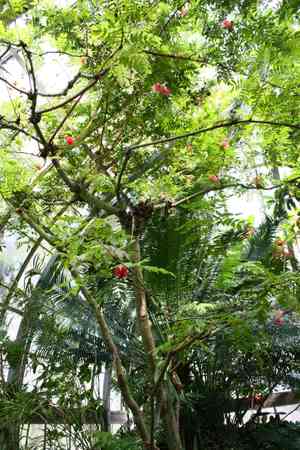
A lively tropical bush, red powderpuff is celebrated for its soft red blossoms and fern-like leaves. To achieve vigorous development and abundant flowering, perform judicious trimming after the blooming period, from late spring to early summer. Shorten elongated stems and eliminate deceased or intersecting branches to preserve its form and stimulate fresh development. Consistent trimming boosts the plant's health and aesthetic appeal, guaranteeing red powderpuff continues to be a prominent garden element. Avoid drastic cuts to safeguard the plant's framework.
What Are the Benefits of Pruning Red Powderpuff?
What Are the Benefits of Pruning Red Powderpuff?
Trimming red powderpuff promotes abundant blooms and strong health by eliminating old or diseased wood, thereby reducing the chance of pest infestations and illnesses.
What Is the Best Time for Pruning Red Powderpuff?
What Is the Best Time for Pruning Red Powderpuff?
These periods are considered ideal as red powderpuff will have finished its most vigorous growth phase in spring. Pruning in late spring supports healthy new development and helps maintain the desired form. Additionally, early summer trimming is beneficial because it allows the plant to recover and produce new buds that will result in flowering in the subsequent season. This timing also prevents stressing the plant during its dormant stages and extreme weather conditions, thus enhancing its overall health and vitality.
What Tools Do I Need to Prune Red Powderpuff?
Hand Pruners
Perfect for making precise cuts on red powderpuff small stems and branches. Bypass pruners, specifically, ensure clean cuts without crushing plant tissues.
Loppers
Suitable for cutting thicker branches of red powderpuff that hand pruners cannot manage, typically those up to about 1.5 inches in diameter. The extended handles provide leverage for easier cutting.
Pruning Saw
Useful for removing even thicker branches that loppers cannot handle, ensuring cuts are clean and do not harm red powderpuff.
Gloves
Essential for protecting hands from thorns or rough bark while pruning red powderpuff.
Disinfectant
Used to sanitize pruning tools before and after use to prevent the spread of disease in red powderpuff.
How to Prune Red Powderpuff
Step1: Tool Sanitization
Sanitization: Before pruning red powderpuff, ensure all pruning tools are clean and sharp to prevent disease transmission. Sterilize your pruning shears with a solution of 1 part bleach to 9 parts water.
Step2: Optimal Pruning Period
Timing: The best time to prune red powderpuff is in late winter or early spring before new growth commences. This timing helps the plant recover quickly and encourages fresh growth.
Step3: Dead Branch Removal
Removal of dead branches: Locate any dead branches. These will be brittle, leafless, and may appear darker than living branches. Cut these branches back to their origin point using clean, angled cuts just above a dormant bud or lateral branch.
Step4: Cutting Diseased Limbs
Eliminating diseased branches: Identify branches with disease symptoms (e.g., unusual growths, discoloration). Cut the diseased branches back to healthy tissue, ensuring you cut into healthy wood well below the affected sections. Dispose of these branches to prevent reinfection.
Step5: Shaping the Plant
Pruning for shape: To maintain the desired shape of red powderpuff, identify overgrown foliage. Trim these areas back to just above a leaf node or side branch, keeping in mind the plant's natural form. Aim for a rounded or slightly vase-shaped form to enhance red powderpuff's appearance.
Step6: Foliage Thinning
Thinning: Reduce density of red powderpuff's foliage to improve air circulation. Make thinning cuts to remove entire branches or twigs at their base where they connect to the main stem or to a main branch. This opens up the plant's interior to light and airflow.
Step7: Encouraging Bushy Growth
Heading back: To encourage bushier growth and more flowers, make heading back cuts on the longer twigs of overgrown branches. Cut these twigs back by about one quarter of their length, just above a bud facing the direction you want new growth to go.
Step8: Debris Clean-up
Clean-up: After pruning, clear away all cuttings and debris from around the base of red powderpuff to prevent disease and pest issues. Apply a balanced, slow-release fertilizer to promote healthy new growth.
Step9: Post-Pruning Care
Aftercare: Water red powderpuff adequately after pruning to help reduce stress on the plant. Monitor the plant for any signs of disease or pests in the following weeks and provide appropriate care as necessary.
Post-Pruning Care for Red Powderpuff
Post-Pruning Care for Red Powderpuff
Immediately after pruning red powderpuff, ensure clean cuts to prevent disease. Maintain slight moisture in the soil without waterlogging. Place red powderpuff in bright, indirect light and at a consistent temperature, avoiding extremes. After pruning, apply a balanced, slow-release fertilizer to aid recovery. Monitor red powderpuff for wilted leaves or unusual spots, signaling stress or infection. If symptoms occur, check for proper drainage and adjust care as necessary. Regularly inspect for pest activity, which can be heightened in stressed plants.
Common Pruning Mistakes with Red Powderpuff
Over-pruning Causes Stress and Poor Growth
A common error is pruning too severely, which can stress red powderpuff and lead to poor growth or reduced flowering.
Spreading Diseases with Unclean Tools
Failing to sterilize pruning tools between cuts, which can spread diseases to red powderpuff.
Damaging Plants with Jagged Cuts
Another mistake is making jagged or torn cuts, which can damage red powderpuff's branches and hinder healing.
Common Pruning Tips for Red Powderpuff
Sharp Shears for Clean Cuts and Faster Healing
Use sharp and clean pruning shears to make clean cuts, which will help red powderpuff heal faster and reduce the risk of disease.
Pruning for Shape, Size, and New Growth
Prune red powderpuff to maintain its desired shape and size, focusing on removing dead or weak branches to encourage new growth.
Cut Above Leaf Nodes for Fuller Foliage and Flowers
Cut back the stems of red powderpuff just above the leaf nodes, which is where new growth will occur and promote fuller foliage and more abundant flowering.



