How to Prune Seaside petunia?
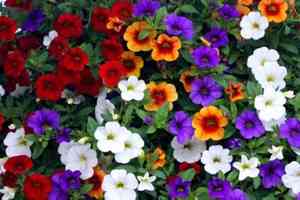
This abundant bloomer, featuring trumpet-shaped blossoms, flourishes with consistent trimming to foster a denser form and uninterrupted flowering. Nip off the ends and remove faded flowers to stimulate fresh development. A gentle trim in spring encourages branching. Throughout summer and autumn, routine snips preserve its form and vitality. Plants kept over winter gain from a more significant reduction in early spring. Trimming this variety deters excessive stem elongation and yields a more condensed, bloom-filled presentation.
What Are the Benefits of Pruning Seaside Petunia?
What Are the Benefits of Pruning Seaside Petunia?
Trimming seaside petunia promotes more robust development by eliminating dead or overgrown branches, which enhances air movement and light exposure. Consistent trimming helps maintain a desired form and encourages a denser, more compact growth habit.
What Is the Best Time for Pruning Seaside Petunia?
What Is the Best Time for Pruning Seaside Petunia?
Pruning or trimming seaside petunia in early Spring, just before the start of its growth cycle, helps remove any dead or damaged parts from winter and stimulates strong new growth. Early Summer pruning aligns with its vigorous vegetative state, allowing gardeners to shape the plant and control its size without hindering flower production. Trimming in early Fall, after the main blooming period, helps remove spent flowers and prepares seaside petunia for winter, ensuring it doesn't expend energy on seed production. These seasons ensure seaside petunia can recover from cuts without extreme weather stress and enter dormancy or subsequent growth cycles with a healthy, well-maintained structure.
What Tools Do I Need to Prune Seaside Petunia?
Bypass Pruners
Perfect for clean and precise cuts, bypass pruners will inflict less harm on the delicate stems of seaside petunia.
Sharp Scissors
For snipping soft stems and removing spent flowers, sharp scissors offer precision without crushing plant tissues.
Gloves
To shield hands from sap and ensure safe handling of seaside petunia during pruning.
Soft Ties
For supporting or training seaside petunia as it grows, preventing damage to the plant with gentle restraint.
How to Prune Seaside Petunia
Disinfect
Before pruning seaside petunia, sanitize all pruning tools to prevent the spread of diseases. Use a solution of one-part bleach to nine parts water or rubbing alcohol to wipe the blades.
Identify
Locate all the withered leaves on seaside petunia. Look for leaves that are brown, dry, and brittle, which indicate they are dead and no longer beneficial to the plant's growth.
Trim Leaves
Using sharp scissors or pruning shears, snip off the withered leaves at the base where they meet the stem. Make clean cuts to avoid damaging the healthy tissues of seaside petunia.
Collect
After trimming, carefully gather and remove all the pruned debris from the soil surface to discourage pests and diseases that might affect the health of seaside petunia.
Water Soil
Water the soil around seaside petunia gently, if needed, to help the plant recover from the pruning process. Ensure the water reaches the root zone without splashing on the remaining foliage.
Common Pruning Mistakes with Seaside Petunia
Overpruning
Removing too much growth at once, which can stress seaside petunia, leading to fewer blooms or plant shock.
Underpruning
Failing to remove enough dead or dying foliage, which can result in a leggy and unattractive plant that may be more susceptible to disease.
Improper Technique
Using dull or dirty tools can damage the stems of seaside petunia, making them more susceptible to disease. Clean, sharp cuts promote healthier regrowth.
Pruning Healthy Blooms
Accidentally cutting off healthy flowers and buds can decrease the overall bloom production of seaside petunia.
Neglecting Plant Shape
Not considering the natural shape of seaside petunia during pruning can result in an unnatural appearance and impact its overall health.
Ignoring Deadheading
Overlooking the removal of spent blooms can prevent seaside petunia from producing new flowers, as it may focus its energy on seed production instead.
Common Pruning Tips for Seaside Petunia
Selective Pruning
Targeting only dead, dying, or overgrown stems for removal will help maintain the vigor and shape of seaside petunia.
Regular Maintenance
Performing light, regular pruning rather than severe infrequent cuts will keep seaside petunia looking its best and encourage more blooms.
Sharp Tools
Using sanitized, sharp pruning shears will create clean cuts that heal quickly, preventing disease entry points.
Deadheading
Regularly removing spent flowers will encourage seaside petunia to produce more blooms throughout the growing season.
Monitor Plant Condition
Observing the health and growth pattern of seaside petunia helps determine the appropriate amount of pruning needed for optimal plant performance.
Prune For Airflow
Thinning out dense areas of seaside petunia can improve light penetration and air circulation, reducing the risk of fungal diseases.



