How to Prune Heart of jesus?
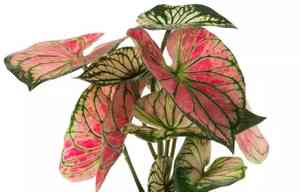
A vibrant tropical plant, heart of jesus is notable for its cordate foliage and prominent color variations. Trim away any withered or discolored leaves at their base using sharp shears to foster robust development and preserve its visual appeal. This task is ideally performed from early spring through late summer, coinciding with heart of jesus's peak growth phase. Consistent trimming deters ailments and encourages denser foliage. Refrain from excessive pruning to avert plant stress and guarantee energy is conserved for development.
What Are the Benefits of Pruning Heart Of Jesus?
What Are the Benefits of Pruning Heart Of Jesus?
Trimming heart of jesus promotes vigorous development by reallocating resources to healthier leaves and maintains a compact, pleasing shape, preventing overcrowding.
What Is the Best Time for Pruning Heart Of Jesus?
What Is the Best Time for Pruning Heart Of Jesus?
Trimming in early spring is optimal for heart of jesus as it prepares the plant for a period of strong growth, allowing it to produce robust, new foliage. By removing old or damaged leaves, gardeners encourage healthier development. Late summer pruning, conversely, permits the removal of any foliage that has become unattractive or suffered from summer stress, without affecting the plantâs energy reserves for the subsequent season. These periods avoid disrupting heart of jesus's dormant phase and ensure the plant has ample time to recover before colder months arrive.
What Tools Do I Need to Prune Heart Of Jesus?
Sharp Bypass Pruners
Heart of jesus possesses relatively slender stems, making sharp bypass pruners an excellent choice for creating clean cuts without harming the plant's tissues. These pruners are designed for living plants, fostering healthy regrowth after trimming.
Precision Snips
For the delicate trimming of heart of jesus's leaves or the removal of small or dead foliage, precision snips or micro-tip snips offer the necessary accuracy. They are perfect for accessing confined areas without disturbing surrounding foliage.
Sterilizing Agent
To prevent the spread of diseases when pruning heart of jesus, a sterilizing agent such as rubbing alcohol or a 10% bleach solution should be used to clean pruning tools before and after use. This practice ensures that infections are not transferred between plants.
Gloves
Wearing gloves is advisable when trimming heart of jesus to safeguard the gardener's hands from potential irritation caused by sap and to maintain cleanliness during the pruning process.
How to Prune Heart Of Jesus
Step1: Inspect Plant Health
Examine heart of jesus to determine which parts require trimming, specifically looking for yellow leaves and withered foliage, which are common indicators of either natural aging or potential water stress.
Step2: Sanitize Pruning Tools
Disinfect your pruning shears or scissors with rubbing alcohol or a household disinfectant to prevent the spread of diseases.
Step3: Remove Yellow Leaves at Base
Start by carefully removing yellow leaves at the base where the leaf meets the stem or soil. Make a clean cut to avoid tearing, which can create entry points for pests and diseases.
Step4: Prune Withered or Dead Foliage
Identify withered or dead foliage, which may appear brown and dry. Trimming away this unproductive growth helps direct heart of jesus's energy into healthier development.
Step5: Trim Back to Healthy Growth
Carefully cut back the withered foliage to the stem's base, ensuring you do not damage any adjacent healthy leaves or stems.
Step6: Shape Plant Post-Pruning
After trimming the necessary parts, assess the overall shape of heart of jesus. If needed, remove any additional foliage to maintain a balanced, aesthetically pleasing form. Always prune sparingly to avoid stress.
Step7: Dispose of Plant Debris
Discard the removed plant material in a green waste bin or a compost pile, if free from disease.
Step8: Clean Tools After Use
Clean your tools again after trimming to maintain their effectiveness and longevity.
Step9: Water Plant Post-Pruning
Water heart of jesus sufficiently after pruning to aid its recovery, but avoid overwatering as this species is prone to root rot.
Step10: Monitor Plant Recovery
Observe heart of jesus for signs of growth or recovery, and adjust care as needed, such as providing a balanced fertilizer during the growing season for nutrient replenishment.
Post-Pruning Care for Heart Of Jesus
Post-Pruning Care for Heart Of Jesus
After trimming heart of jesus, immediately ensure a warm, humid, and indirect light environment to prevent stress. Adjust temperatures to within 70-85°F. High humidity levels are vital; maintain around 60-70%. Avoid direct sunlight, which can scorch tender foliage. Post-pruning, apply a balanced liquid fertilizer to support recovery, reducing concentration to half-strength. Monitor for wilting, discoloration, or signs of infection. If symptoms appear, isolate the plant and adjust care accordingly. Ensure the soil remains consistently moist but not waterlogged.
Common Pruning Mistakes with Heart Of Jesus
Over-pruning: Not to exceed one-third foliage removal
Trimming heart of jesus too aggressively can harm the plant. Cutting back more than one-third of the foliage at a time can stress heart of jesus, as it relies on its leaves for photosynthesis and energy production.
Improper tool maintenance: Use sharp, clean pruning tools
Using dull or unclean pruning tools is a frequent error. Dull tools can cause jagged cuts that are more susceptible to disease, while dirty tools can spread pathogens from infected plants to healthy ones.
Unnecessary removal of healthy foliage: Prune only dead or damaged
Removing healthy leaves while trimming is a mistake that should be avoided. Pruning should focus on dead or damaged foliage and spent flower stalks, as removing healthy tissue can reduce the plantâs vigor.
Common Pruning Tips for Heart Of Jesus
Remove only discolored leaves to boost air flow and growth
Identify and remove only the yellow or brown leaves from heart of jesus which are typically older, damaged, or diseased. This helps to improve air circulation and redirects the plant's energy towards newer growth.
Use sanitized shears for clean cuts near main body
Make clean cuts using sharp, disinfected pruning shears. The cuts should be made at the base of the petiole (leaf stem), near the main plant body, to help heart of jesus heal faster and reduce the risk of disease.
Prune spent flowers for healthy foliage and aesthetics
After flowering, trimming spent flower stalks can encourage heart of jesus to focus its energy on foliage production, keeping the plant looking lush and healthy. It is an essential step for aesthetic maintenance and plant health.



