How to Prune Peacock flower?
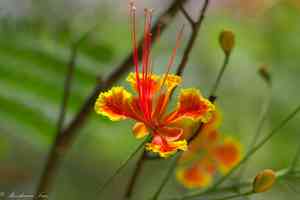
Recognized for its vivid blossoms and feathery leaves, peacock flower thrives with consistent trimming. Essential methods involve removing spent flowers to promote additional flowering and shortening unruly branches to preserve its form. The ideal period for pruning is in late spring or early summer. This schedule enables peacock flower to recuperate and stimulates fresh development prior to its blooming period. Trimming benefits peacock flower by improving air movement and lowering the chances of illness, leading to a more robust plant with abundant flowers.
What Are the Benefits of Pruning Peacock Flower?
What Are the Benefits of Pruning Peacock Flower?
Trimming peacock flower promotes abundant blooming and strengthens resistance to pests and diseases, ensuring robust vitality and vibrant displays.
What Is the Best Time for Pruning Peacock Flower?
What Is the Best Time for Pruning Peacock Flower?
Peacock flower experiences a strong growth period during late spring and early summer, making this the optimal time for pruning. Trimming then stimulates new development and directs peacock flower's energy towards healthy branches, enhancing bloom quality. Pruning before the main growth season also allows wounds to heal faster due to the plant's active metabolism. Gardeners should avoid pruning peacock flower in late fall or winter, as dormancy can lead to delayed recovery and increased vulnerability to pests and diseases.
What Tools Do I Need to Prune Peacock Flower?
Hand Pruners
Ideal for cutting small branches and twigs on peacock flower, ensuring clean cuts without harming plant tissues.
Loppers
Perfect for reaching into denser areas of peacock flower and cutting thicker branches that hand pruners cannot manage due to their longer handles and increased leverage.
Pruning Saw
Essential for removing larger branches from peacock flower that are too thick for hand pruners and loppers; a saw with fine teeth can make precise cuts without tearing the bark.
Gloves
Protect hands from thorns and rough bark while trimming peacock flower; choosing durable gloves can prevent injury and improve tool grip.
Disinfectant
To prevent disease spread while pruning peacock flower, a disinfectant should be used to clean tools between cuts, especially when moving between plants.
How to Prune Peacock Flower
Step1: Timing for Pruning
Determine the ideal time to prune peacock flower, which is late winter or early spring before new growth begins. Pruning at this time minimizes plant stress and encourages vigorous development.
Step2: Tool Sterilization
Sanitize your pruning tools with alcohol or a 10% bleach solution to prevent disease transmission between plants.
Step3: Deadhead Flowers
Begin by removing spent flowers. Carefully snip them off at the base of the bloom, ensuring you do not harm new buds that may be forming nearby.
Step4: Remove Unhealthy Stems
Inspect peacock flower for damaged, diseased, or dead stems. These can be removed at any time of year as they are noticed. Use sharp, clean pruning shears to make a clean cut at a 45-degree angle just above a leaf node or lateral branch.
Step5: Prune Old Wood
To address old wood â stems that have not produced flowers or new growth for several years â prune these out to encourage new growth. Make cuts at a 45-degree angle, about 1/4 inch above a lower branch point or bud facing the outside of the plant to facilitate outward growth.
Step6: Shape and Size Maintenance
After trimming specific parts, step back to assess the overall shape of peacock flower. If necessary, lightly trim additional growth to maintain the desired shape and size. Remember that peacock flower blooms on new growth, so judicious pruning encourages flowering.
Step7: Dispose of Trimmings
Collect and discard all trimmings to reduce the risk of disease and pests that may linger on the discarded plant material.
Step8: Post-Pruning Care
Water peacock flower thoroughly after pruning and apply a balanced fertilizer to support strong new growth and flowering.
Step9: Monitoring Plant Health
Monitor peacock flower for signs of stress or disease after pruning and address any issues promptly to ensure the health and beauty of the plant.
Post-Pruning Care for Peacock Flower
Post-Pruning Care for Peacock Flower
After pruning peacock flower, immediately water the plant to help reduce stress. Maintain a warm environment with bright, indirect sunlight, avoiding drastic temperature changes. Ensure high humidity to support leaf recovery. Apply a balanced slow-release fertilizer to replenish nutrients and encourage new growth. Monitor peacock flower for wilt or discoloration, signs of stress or disease. If symptoms appear, adjust care and consult a plant health specialist. Regular observation and gentle care are crucial for peacock flower's post-pruning recovery.
Common Pruning Mistakes with Peacock Flower
Over-pruning stresses and harms plants
Trimming too much at once, which can stress peacock flower and potentially lead to reduced flowering or plant death.
Dull, dirty tools cause damage and disease
Using dull or dirty pruning tools that make uneven cuts, which can damage peacock flower and open the door to diseases.
Neglecting dead wood hinders plant health
Failing to remove dead or diseased wood, which can hinder peacock flower's growth and health.
Random pruning affects plant aesthetics
Pruning haphazardly without considering the shape or structure of peacock flower, leading to a less aesthetically pleasing plant.
Flush cutting delays healing and increases wounds
Pruning too close to the main stems or 'flush cutting', which can create larger wounds and delay the healing process for peacock flower.
Common Pruning Tips for Peacock Flower
Use sharp, clean tools for healthy cuts
Ensure that all pruning tools are sharp and clean before starting. This will help to make precise cuts that heal quickly and minimize stress to peacock flower.
Cut at 45-degree angle for directed growth
Cut at a 45-degree angle about 1/4 inch above a leaf node or bud to encourage peacock flower to produce new growth in the desired direction.
Remove dead branches to promote plant vigor
Identify and remove any dead, diseased, or damaged branches first to promote the health and vigor of peacock flower.
Thin growth for better air and light
Thin out dense growth to improve air circulation and light penetration, which is essential for the overall health and flowering of peacock flower.
Maintain natural shape while pruning
Maintain the natural shape of peacock flower when pruning; shaping should enhance the plant's form rather than alter it dramatically.
Prune crossing branches to prevent damage
Prune branches that cross or rub against each other, as this can cause wounds and invite pests or diseases in peacock flower.
Deadhead spent blooms for more flowers
While deadheading, snip off spent flowers to encourage peacock flower to produce more blooms.
Clean debris post-pruning to deter pests
After pruning, clean up all debris from around the base of peacock flower to reduce the chance of pests and diseases.



