How to Prune Chinese box?
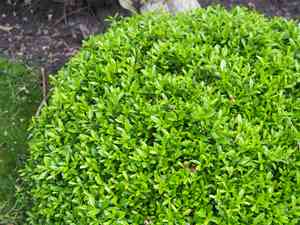
A compact, perennial bush, chinese box is prized for its lustrous leaves and contained structure, frequently sculpted in formal landscapes. Essential trimming methods involve reducing congested limbs and molding to preserve the intended shape, ideally executed with keen clippers for accuracy. Trimming is most effectively carried out in winter while the plant is inactive to lessen strain and fluid depletion. Consistent trimming improves air movement, prevents ailments, and fosters vigorous, robust development characteristic of chinese box.
What Are the Benefits of Pruning Chinese Box?
What Are the Benefits of Pruning Chinese Box?
Trimming stimulates chinese box to develop robustly by eliminating lifeless or weak limbs, fostering fresh development and preserving plant vitality. Consistent shaping through trimming ensures chinese box remains visually appealing and well-proportioned in a garden environment.
What Is the Best Time for Pruning Chinese Box?
What Is the Best Time for Pruning Chinese Box?
Trimming in late winter to early spring is optimal for chinese box because it is still inactive, lessening stress and minimizing sap loss which can attract pests. This timing allows the plant to recover quickly and utilize its energy for new growth in spring. Additionally, removing dead or damaged wood before leaves emerge provides gardeners a clear view of the structure and promotes healthier, denser foliage. Avoid trimming in late fall as cuts may not heal before winter, increasing risk of frost damage.
What Tools Do I Need to Prune Chinese Box?
Hand Pruners
Perfect for trimming small branches and twigs of chinese box, specifically for shaping and maintaining its compact form. A bypass pruner is recommended for clean cuts.
Shears
Excellent for shaping hedges of chinese box and creating precise lines. Look for a pair of sharp, durable shears that can handle the dense foliage.
Loppers
Appropriate for cutting thicker branches that hand pruners can't manage, ensuring the healthy growth of chinese box by removing old or larger unwanted branches.
Pruning Saw
Essential for removing any branches over 1.5 inches in diameter to manage the size and shape of chinese box without harming the plant.
Topiary Shears
Crucial for detailed work on chinese box when crafting topiary forms or intricate shapes, due to its fine foliage texture and common use in ornamental topiary.
How to Prune Chinese Box
Clean Tools
Before trimming chinese box, sanitize pruning tools using a solution of one part bleach to nine parts water to prevent the spread of diseases.
Remove Dead
Identify and cut away all dead branches from chinese box at their point of origin, using sharp pruning shears for a clean cut, to promote healthy growth and improve air circulation.
Cut Diseased
Trim any diseased branches on chinese box by cutting at least several inches into healthy wood to ensure complete removal of diseased parts.
Smooth Cuts
After removal, smooth out any rough edges left on the cuts of chinese box to prevent disease entry and to encourage the plant's natural healing process.
Dispose
Properly dispose of the dead and diseased trimmings from chinese box by burning or bagging them, avoiding composting to prevent the spread of pathogens.
Common Pruning Mistakes with Chinese Box
Over-Pruning
Removing too much foliage at once can stress chinese box, leading to weak growth or even plant death. It's crucial to prune only a certain percentage of the plant to maintain its health.
Dull Tools
Using dull pruning tools can result in jagged cuts that harm chinese box and leave it vulnerable to disease and pests. Always use sharp, clean tools for clean cuts.
Topping
Cutting chinese box indiscriminately across the top, known as topping, can ruin its natural shape and inhibit proper branching.
Neglecting Dead Wood
Failing to remove dead or diseased branches can hinder the growth of chinese box and increase susceptibility to infections.
Pruning Too Early
Pruning before chinese box has entered the correct stage of its growth cycle can lead to a lack of flowering or vigorous but undesirable growth.
Ignoring Natural Shape
Not considering the natural shape of chinese box when pruning may result in an unnatural appearance and reduced vitality.
Common Pruning Tips for Chinese Box
Selective Pruning
Target selective pruning to shape chinese box and encourage new growth without compromising the plant's health. Remove only the necessary branches.
Clean Cuts
Make clean, angled cuts just above a leaf node to promote healthy regrowth for chinese box. This helps the plant heal faster and reduces the risk of diseases.
Branch Size
For thicker branches, use loppers or saws to avoid tearing the bark of chinese box, whereas hand pruners are suitable for smaller branches.
Thinning
Thin out crowded branches to ensure ample light penetration and air circulation for chinese box, which can deter disease and promote even growth.
Health Assessment
Regularly inspect chinese box for signs of pests, diseases, and dead wood, targeting these areas first during pruning to maintain the plant's overall health.
Growth Direction
Cut back to outward-facing buds to encourage chinese box to grow outwards rather than inwards, improving the shape and density of the plant.



