How to Prune Common boxwood?
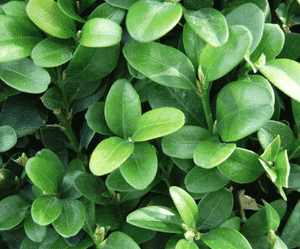
This perennial woody plant, noted for its thick greenery and diminutive, lustrous leaves, flourishes with consistent shaping. Essential trimming methods for typical boxwood involve reducing density to enhance air movement, forming hedges for visual attractiveness, and excising lifeless or ailing limbs to preserve the plant's well-being. The most effective time for pruning is during the winter, utilizing its inactive phase to stimulate vigorous spring development. Trimming this variety improves its condensed structure and can avert prevalent ailments by boosting air circulation within its crown.
Advantages of Trimming Common Boxwood
Advantages of Trimming Common Boxwood
Consistent trimming ensures common boxwood develops robustly and maintains its desired shape, enhancing its dense foliage and neat appearance, crucial for typical hedge aesthetics.
Optimal Time for Trimming Common Boxwood
Optimal Time for Trimming Common Boxwood
Late winter trimming is ideal for common boxwood as it minimizes frost damage risk to fresh cuts and allows the plant to recover before its active growth period. Trimming at this time promotes healthier, denser foliage by directing energy to new spring growth. Additionally, without leaves, common boxwood's structure is more visible, simplifying shaping and maintaining an even, desirable form. Trimming before the growth cycle begins prevents undue stress and encourages vigorous development.
Essential Tools for Trimming Common Boxwood
Hand Pruners
Perfect for cutting small stems and branches on common boxwood, hand pruners offer precision and control for careful shaping and maintaining its dense foliage.
Hedge Shears
For shaping larger areas or hedges, hedge shears provide even and efficient trimming across common boxwood's broad, evergreen surfaces.
Pruning Saws
For older, woody stems that hand pruners can't manage, a pruning saw is vital for clean cuts through thicker branches without harming common boxwood.
Long-Handled Loppers
These offer leverage for cutting medium-sized branches, typically up to 2 inches thick, aiding in removing older growth from common boxwood from a comfortable distance.
Topiary Shears
Common boxwood is often shaped into formal topiary forms. Topiary shears are designed for the fine, detailed trimming needed to maintain these precise shapes.
Gloves
Protective gloves safeguard hands from scratches when trimming common boxwood and provide a better grip on tools, improving safety and precision.
How to Trim Common Boxwood
Step1: Aligning Pruning with Plant's Dormant Period
Select the right time for trimming common boxwood, usually late winter or early spring before new growth starts, to minimize plant stress. However, dead wood and diseased branch removal can occur year-round as needed.
Step2: Sanitizing Tools to Prevent Disease Spread
Sanitize your trimming tools with rubbing alcohol or a 10% bleach solution to prevent disease transmission.
Step3: Removing Dead Wood from the Plant
Begin by removing dead wood. Identify clearly dead branches—they will be brittle, dry, and lack leaves or green under the bark when scratched. Cut these branches back to healthy, living tissue.
Step4: Trimming Diseased Branches for Plant Health
Next, trim any diseased branches. Look for signs of disease like unusual color or texture, cankers, or lesions. Cut these branches well into healthy tissue to remove all diseased parts. Disinfect tools after each cut when dealing with diseased wood.
Step5: Cutting Back Suckers for Improved Growth
Eliminate suckers, which are vigorous vertical shoots from the base or roots of common boxwood. Cut these shoots as close to the main stem or soil line as possible without damaging the main plant's bark.
Step6: Shaping the Plant for Desired Growth Direction
Shape common boxwood as desired after removing all dead, diseased, and unwanted growth. When shaping, make cuts just above a leaf node or a branch facing the direction you want new growth to go.
Step7: Thinning to Enhance Airflow Within the Plant
Thin the interior of common boxwood if it's very dense, to improve air circulation. Remove some older branches by cutting them back to the main stem, being careful not to remove more than one-third of the plant in a single year.
Step8: Cleanup of Trimmings to Maintain Cleanliness
Finally, clean up all trimmings and debris to prevent potential disease spread and keep the area around common boxwood tidy.
Post-Trimming Care for Common Boxwood
Post-Trimming Care for Common Boxwood
Immediately after trimming common boxwood, ensure thorough watering to reduce stress. Place common boxwood in partial shade to prevent scorching and maintain consistent humidity. Adjust temperatures to avoid extreme heat or cold. Apply a balanced, slow-release fertilizer to aid recovery and boost growth. Regularly inspect common boxwood for wilted leaves or bark damage, signs of stress or infection. If symptoms appear, promptly treat with appropriate fungicides or pest control measures.
Common Trimming Errors with Common Boxwood
Dull Tools Lead to Disease
Using dull or dirty tools can harm common boxwood branches, causing jagged cuts more prone to disease and pests.
Over Trimming Stresses Plant
Trimming too much at once can stress the plant and impede its growth. Removing over one-third of common boxwood's foliage in a single session is generally not advised.
Avoid Cutting Old Wood
Cutting into old wood that no longer produces new shoots may result in bare patches as common boxwood can struggle to regrow from old wood.
Neglecting Interior Thinning Reduces Health
Failing to thin out interior branches can lead to poor air circulation and light penetration, crucial for common boxwood's health and vigor.
Don't Disregard Natural Shape
Ignoring common boxwood's natural shape for trendy or unnatural trimming styles can compromise the plant's health and aesthetic.
Common Trimming Advice for Common Boxwood
Sharp, Sterilized Tools for Healthy Cuts
Use sharp and sterilized trimming tools to ensure clean cuts that heal quickly, helping prevent disease spread in common boxwood.
Selective Pruning for Growth and Light
Encourage new growth and maintain common boxwood's shape by selectively trimming branch tips. This method also allows light to reach the plant's interior.
Remove Dead Branches to Improve Health
First, remove any dead or diseased branches, as this improves common boxwood's overall health by limiting potential problem spread.
Prune with Natural Shape in Mind
Identify and maintain common boxwood's natural shape when trimming, which will enhance its beauty and promote a sturdy structure.
Thin Interior for Air and Light
Occasionally thin out interior branches to improve air circulation and ensure adequate light exposure, contributing to the plant's vitality.
Stagger Hard Pruning for Recovery
For rejuvenating overgrown common boxwood, stagger hard pruning over several seasons to avoid shocking the plant and allow it time to recover.



