How to Prune Torchwood copal?
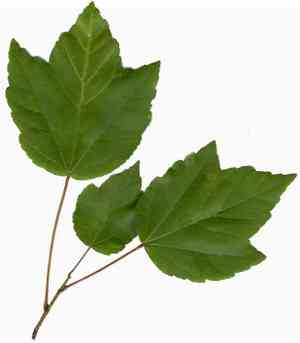
Originating from dry environments, torchwood copal is identifiable by its flaking outer layer and gnarled limbs. Effective trimming should involve eliminating deceased or compromised wood to encourage robust development. Perform pruning in late winter or early spring, prior to the active growth phase, to lessen sap leakage and the potential for illness. Trimming also preserves its form and promotes a sturdy framework, vital for torchwood copal's distinctive twisted appearance. Limiting incisions to the dense, sticky branches aids in safeguarding the plant's inherent protective mechanisms and durability.
What Are the Benefits of Pruning Torchwood Copal?
What Are the Benefits of Pruning Torchwood Copal?
Trimming torchwood copal promotes robust development and preserves its desired form. Regular cutting back helps revitalize the plant by eliminating old or crowded branches, improving air circulation and sunlight exposure, which are crucial for its health and appearance.
What Is the Best Time for Pruning Torchwood Copal?
What Is the Best Time for Pruning Torchwood Copal?
Pruning in late winter enables torchwood copal to recover and grow vigorously as it enters its active growth phase in spring. This timing avoids cutting during its dormant period, ensuring energy reserves are not depleted. Early spring pruning is also beneficial for maintaining shape and removing frost damage before new growth begins. Furthermore, pruning in these seasons minimizes disease transmission, as many pathogens are less active in cooler weather. Additionally, since torchwood copal may not be in its flowering or fruiting cycle during late winter and early spring, pruning then helps prevent the loss of potential blooms or fruits vital for the plant's reproductive cycle and aesthetic appeal.
What Tools Do I Need to Prune Torchwood Copal?
Hand Pruners
Perfect for making precise cuts on branches up to 3/4 inches thick, hand pruners ensure accuracy when shaping torchwood copal without causing unnecessary harm to the plant.
Loppers
Recommended for thicker branches, typically up to 2 inches in diameter, common in mature torchwood copal. Their long handles provide leverage, making the cutting process easier.
Pruning Saw
Useful for any branches over 2 inches thick that hand pruners or loppers cannot manage. Saws are essential for larger torchwood copal specimens or when removing substantial limbs.
Gloves
To safeguard hands from potential sap irritation or injury while trimming torchwood copal.
Cleaning Solution
To prevent disease spread, tools should be sanitized before and after use on torchwood copal, especially if used on other plants.
How to Prune Torchwood Copal
Identification
Thoroughly inspect torchwood copal to pinpoint diseased leaves, withered leaves, dead branches, and diseased branches requiring removal.
Sanitation
Before pruning, disinfect your tools with a solution of 1 part bleach to 9 parts water to prevent disease transmission during cutting.
Cutting Diseased Withered Leaves
Using sharp, clean pruning shears, carefully remove diseased and withered leaves from torchwood copal by cutting them at their base where they meet the stem, being careful not to tear or damage the bark.
Pruning Dead Diseased Branches
Trim dead and diseased branches from torchwood copal, cutting them back to healthy wood, just above a bud or branching point. Angle cuts away from the bud to allow water runoff.
Cleanup
Collect and dispose of all pruned material away from torchwood copal to reduce the risk of disease or pest infestation.
Common Pruning Mistakes with Torchwood Copal
Overpruning
Cutting back too much of torchwood copal's foliage can impede its growth and vitality. This species doesn't require extensive pruning, and overdoing it can lead to weak development and fewer leaves.
Improper Tools
Using dull or dirty tools can harm torchwood copal's branches, potentially leading to infections. It's crucial to use clean, sharp instruments for clean cuts.
Cutting Healthy Tissue
Removing healthy branches or leaves unnecessarily can stress torchwood copal and waste energy that could be used for growth and flowering.
Ignoring Dead Material
Failing to remove dead or diseased wood can attract pests and diseases, and also detract from torchwood copal's aesthetic appeal.
Flush Cutting
Making cuts too close to the main stem (flush cutting) can damage the callus tissue that would normally protect the cut and promote proper healing.
Common Pruning Tips for Torchwood Copal
Selective Pruning
Focus on removing only dead, damaged, or diseased branches to maintain torchwood copal's health and shape. Careful selection promotes better air circulation and light penetration.
Angled Cuts
Make clean, angled cuts above leaf nodes or branching points to encourage new growth in a desired direction and prevent water from collecting on the cut surface, which can lead to rot.
Clean Tools
Always prune with clean, sharp tools to prevent disease spread and ensure smooth cuts that heal more readily.
Timing Pruning
Prune at appropriate times to optimize healing and growth, considering any information on the best seasons for pruning torchwood copal provided elsewhere.
Gradual Pruning
For an overgrown torchwood copal, prune gradually over a few seasons rather than all at once, allowing the plant to recover between pruning sessions and maintain its strength.



