How to Prune Angel's trumpet?
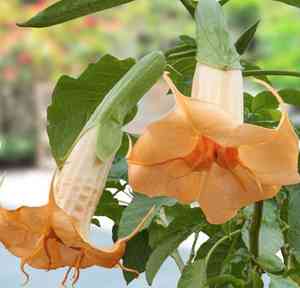
This distinctive, bell-shaped blossom, celebrated for its delightful fragrance and drooping flowers, thrives with consistent trimming. For angel's trumpet, strategically timed pruning during early spring or winter fosters robust development and plentiful blossoms. Eliminating deceased or compromised branches, thinning to enhance airflow, and shaping to manage dimensions are essential maintenance procedures. Trimming additionally stimulates fresh development, resulting in more abundant flowering for this rapidly expanding variety and discourages insect problems.
What Are the Benefits of Pruning Angel's Trumpet?
What Are the Benefits of Pruning Angel's Trumpet?
Trimming angel's trumpet promotes abundant blooms and aids in controlling pests and diseases. Strategic cuts revitalize angel's trumpet's development and preserve its decorative appeal.
What Is the Best Time for Pruning Angel's Trumpet?
What Is the Best Time for Pruning Angel's Trumpet?
Early spring is ideal for pruning as it precedes angel's trumpet's main growth phase. Pruning then allows the plant to recover swiftly and channel energy into new growth, leading to a lush flowering season. It also reduces disease and pest risk as wounds heal faster with new growth. Winter, during dormancy, is also suitable for major pruning, minimizing stress on angel's trumpet. The absence of leaves makes it easier to see and shape the structure, remove dead or diseased wood, and improve air flow. Winter pruning requires caution to prevent frost damage to fresh cuts and should ideally occur on mild, dry days for better healing.
What Tools Do I Need to Prune Angel's Trumpet?
Bypass Pruners
These are suitable for making clean cuts on angel's trumpet's smaller branches and stems. Their design allows for precise control, reducing damage to the plant.
Loppers
Ideal for reaching higher branches and cutting through thicker stems that bypass pruners cannot handle. Ensure that the loppers have long handles to manage angel's trumpet's height.
Pruning Saw
For mature angel's trumpet with very thick branches, a pruning saw is necessary. It can efficiently cut through wood that is too large for loppers.
Gardening Gloves
When pruning angel's trumpet, protection for your hands is recommended due to its size and the potential for contact with sap.
Secateurs
These are another form of pruners that can be used for shaping angel's trumpet or cutting away smaller, dead, or damaged growth.
Pruning Shears
For maintaining the overall shape and removing unneeded foliage from angel's trumpet, pruning shears can give a more detailed cut than loppers or hand pruners.
How to Prune Angel's Trumpet
Step1: Timing for Pruning
Determine the optimal time to prune angel's trumpet, typically late winter or early spring before new growth begins, to ensure a strong recovery. Avoid pruning in late fall as new growth may be damaged by frost.
Step2: Sterilize Pruning Tools
Sanitize your pruning tools with rubbing alcohol or a 10% bleach solution to prevent the spread of diseases among your plants.
Step3: Prune Dead Flowers
Begin by removing spent blooms. Snip the faded flowers just above the leaf node where they emerge to encourage more flowering and prevent energy waste on seed production.
Step4: Remove Diseased Stems
Inspect angel's trumpet for any signs of illness. This may include stems with unusual coloration, lesions, or stress. Use sharp and clean cutting tools to make precise cuts, removing diseased stems entirely. Dispose of these cuttings in the trash, not your compost bin, to prevent spreading any pathogens.
Step5: Cut Back Old Wood
To revitalize angel's trumpet, remove old wood. Old branches can be identified by their woody, rigid texture and lack of vigorous growth or foliage. Cut these branches back to a healthy outward-facing bud or side branch using slanted cuts that angle away from the bud, preventing water accumulation that could lead to decay or disease.
Step6: Shape Plant Symmetrically
After removing dead flowers, diseased stems, and old wood, step back and assess the plant's shape. You want to maintain a well-balanced, symmetrical form for aesthetic purposes as well as plant health.
Step7: Thin for Air and Light
Thin out dense areas to improve air circulation and light penetration. For angel's trumpet, this means cutting back some of the interior stems to open up the plant's structure while being careful not to remove more than one-third of the plant's overall volume in one season.
Step8: Dispose of Pruning Debris
Clean up and clear away all pruning debris from the base of angel's trumpet to discourage pests and diseases that thrive on decomposing plant material.
Step9: Water Plant Post-Pruning
Water angel's trumpet after pruning to help reduce stress on the plant and aid in the recovery process.
Step10: Monitor Plant Health
Monitor angel's trumpet after pruning for any signs of stress or disease, and take action as necessary to maintain the plant's health.
Post-Pruning Care for Angel's Trumpet
Post-Pruning Care for Angel's Trumpet
Ensure clean cuts to aid healing. Place angel's trumpet in a location with indirect light and maintain moderate humidity and stable temperatures between 60-75°F. Fertilize with a balanced, slow-release formula to support regrowth. Consistently monitor for wilt or discolored leaves, indicating stress or infection. In such cases, adjust care and consider a fungicide if needed. Overwatering should be avoided to prevent root rot.
Common Pruning Mistakes with Angel's Trumpet
Over-pruning in One Session
Pruning too severely in a single session, which can shock angel's trumpet and potentially result in poor growth or even death.
Not Sterilizing Tools
Not sterilizing pruning tools before use, risking the spread of diseases to angel's trumpet.
Damaging Main Woody Stems
Cutting into the woody main stems of older angel's trumpet plants, which can harm the plantâs framework and potentially introduce disease.
Leaving Pruning Stubs
Leaving stubs after pruning, which can lead to dieback and disease entry points.
Ignoring Plant's Natural Shape
Pruning without examining the plant's natural shape, which may result in an unnatural appearance and hinder its growth.
Common Pruning Tips for Angel's Trumpet
Clean Cuts with Sharp Shears
Use sharp, clean pruning shears to make clean cuts, which will help angel's trumpet recover more quickly and prevent disease.
Prune Above Leaf Nodes for Bushiness
Encourage bushy growth by pruning just above leaf nodes facing the outside of the plant, which will stimulate new growth in the desired direction.
Remove Dead or Diseased Branches Promptly
Remove dead, diseased, or damaged branches as soon as they're noticed to maintain the overall health of angel's trumpet.
Thin Branches for Better Air and Light
Thin out branches to improve air circulation and light penetration, which are essential for angel's trumpet's flowering and health.
Prune with Purpose for Plant Health
Always prune with a purpose, whether it's shaping, removing problem branches, or encouraging bloomingâto maintain the plant's form and vigor.



