How to Prune Field mustard?
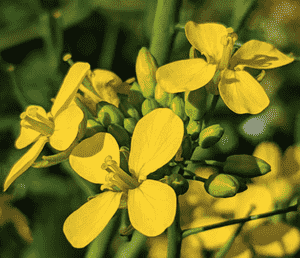
This cold-weather plant flourishes with trimming to encourage robust development and preserve its form. Essential pruning methods for field mustard involve reducing dense young plants and eliminating compromised or aged foliage. The most effective pruning occurs from the beginning of spring through the end of autumn, coinciding with its developmental period. Trimming provides advantages like enhanced air movement and decreased illness, guaranteeing plentiful harvests. Consistently examine and cut to sustain its strength.
What Are the Benefits of Pruning Field Mustard?
What Are the Benefits of Pruning Field Mustard?
Trimming field mustard promotes robust development and maintains a neat appearance. It ensures plants direct energy towards producing new leaves and strong stems, resulting in a more abundant and visually appealing specimen.
What Is the Best Time for Pruning Field Mustard?
What Is the Best Time for Pruning Field Mustard?
Trimming field mustard in early spring, following the last frost, minimizes the risk of cold damage to new growth and aids in removing any dead or compromised sections that occurred over winter. This timing is crucial for the health of field mustard as it prepares the plant for vigorous growth during the active season. Pruning in late fall, before the initial frost, helps in removing spent foliage and stems after field mustard has finished its yearly life cycle, which may include blooming and seed production. Pruning at this point ensures that field mustard is not expending resources on unnecessary plant parts, potentially reducing disease and pest issues. It also readies field mustard for winter by minimizing plant material that could harbor pests and diseases during colder months.
What Tools Do I Need to Prune Field Mustard?
Garden Shears
Garden shears are precise and easy to handle, making them suitable for trimming the leaves and flowers of field mustard.
Hand Pruners
Hand pruners, especially bypass pruners, provide clean cuts that help prevent damage to the stems of field mustard when removing unwanted lateral shoots or harvesting.
Gloves
Gloves protect the gardener's hands from skin irritation or accidental injury when pruning field mustard.
Disinfectant
Using a disinfectant on pruning tools helps prevent the spread of diseases between plants when attending to field mustard.
How to Prune Field Mustard
Step1: Inspect Plant for Pruning Areas
Examine field mustard for specific parts requiring trimming: yellow leaves, diseased sections, and dead stems. This initial evaluation is crucial for understanding the extent of necessary pruning.
Step2: Tool Sterilization
Sanitize your pruning tools with rubbing alcohol or a bleach solution to prevent disease transmission. Clean tools will ensure a healthy pruning process for field mustard.
Step3: Removing Yellow Leaves
Start by gently removing yellow leaves. Use your fingers to snap them off, or if needed, use sanitized scissors or pruning shears. Make cuts close to the base of the yellow leaf, being careful not to harm new growth or healthy parts of field mustard.
Step4: Pruning Diseased Sections
Identify and prune diseased parts next. Look for any unusual coloring, spots, or growths. Make cuts at least an inch below the diseased tissue to ensure all affected areas are removed. Be thorough to prevent further spread of disease in field mustard.
Step5: Cutting Dead Stems
Locate dead stems on field mustard. These will be brittle, dry, and lack leaves or signs of life. Cut these stems as close to the base as possible using sharp pruning shears. A clean cut will help prevent decay and encourage healthier regrowth.
Step6: Disposal of Pruned Material
After trimming, dispose of the removed plant material far from field mustard and other healthy plants to avoid any disease transmission.
Step7: Post-Pruning Monitoring
Monitor field mustard after pruning for signs of new growth. Post-pruning care includes consistent watering, adequate sunlight, and proper fertilization to ensure the plant's health and vigor.
Step8: Post-Pruning Tool Cleaning
Wash and re-sterilize your tools after finishing to prepare them for the next use, ensuring they're free from any pathogens they may have picked up from field mustard.
Post-Pruning Care for Field Mustard
Post-Pruning Care for Field Mustard
Immediately after trimming field mustard, water evenly to maintain moist, but not waterlogged, soil. Provide partial shade to prevent stress from intense sunlight. Keep field mustard at optimal temperatures (60-65°F) with moderate humidity. Apply a balanced liquid fertilizer to encourage growth. Regularly check pruned areas for wilting or discoloration as indicators of stress or infection. If signs appear, adjust care and consult an expert if necessary for potential disease management.
Common Pruning Mistakes with Field Mustard
Unsterilized Tools Spread Diseases
Failing to sterilize pruning tools before and after use, which can spread diseases to 'field mustard' or from one plant to another.
Over-pruning Stresses Plants
Trimming too aggressively, removing too much foliage at once, which can stress 'field mustard' and hinder its growth and productivity.
Improper Cuts Harm Plant Development
Cutting too close to the main stem or flower buds, potentially damaging the plant and affecting the development of 'field mustard'.
Common Pruning Tips for Field Mustard
Use Clean, Sharp Shears for Healthy Cuts
Use sharp, clean shears for trimming 'field mustard' to ensure precise cuts and reduce the risk of disease transmission.
Prune Dead Leaves to Boost Plant Health
Focus on removing dead or diseased leaves to maintain the health of 'field mustard', allowing light and air to reach the inner parts of the plant.
Selective Pruning Enhances Growth and Shape
Cut back the outer leaves and stems selectively to stimulate growth and improve the shape of 'field mustard', without over-pruning or altering its natural growth habit.



