How to Prune Soft goldaster?
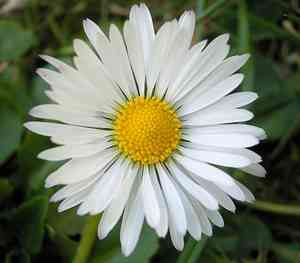
Celebrated for its hardiness and abundant flower groupings, soft goldaster flourishes with appropriate cutting. Remove spent blossoms without delay to stimulate additional blooms. Early spring is ideal for sculpting and regulating dimensions, whereas late summer or autumn reductions ready soft goldaster for its resting phase, boosting its strength. Trimming not only preserves an attractive appearance but also revitalizes development, aiding in pest management and fostering general plant wellness. Perform pruning with cleanliness in mind, sanitizing implements to prevent the dissemination of ailments.
What Are the Benefits of Pruning Soft Goldaster?
What Are the Benefits of Pruning Soft Goldaster?
Trimming soft goldaster promotes stronger development and helps keep its desired shape. Consistent cutting can lead to denser leaves and a neater look, helping the plant direct energy more efficiently.
What Is the Best Time for Pruning Soft Goldaster?
What Is the Best Time for Pruning Soft Goldaster?
Pruning or trimming soft goldaster in late spring allows for the removal of any dead or damaged foliage that may have occurred during winter, as the plant begins active growth and can recover quickly. Early summer pruning is ideal because soft goldaster has typically finished its spring flowering cycle, making it a good time to shape the plant and remove spent blooms to encourage a potential second bloom or to maintain plant health and appearance. Pruning in mid to late fall is advantageous because soft goldaster's active growth is slowing down as it prepares for dormancy, and reducing the plant's size can help protect it from damage in winter weather. However, it's essential to avoid heavy pruning late in the fall, as new growth might not sufficiently harden before the onset of cold temperatures.
What Tools Do I Need to Prune Soft Goldaster?
Hand Pruners
These are crucial for making clean cuts on soft goldaster's stems. Opt for bypass pruners over anvil types to avoid crushing the delicate stems.
Pruning Shears
Perfect for shaping soft goldaster, pruning shears offer precise control when trimming stem tips to encourage bushier growth.
Gardening Gloves
While soft goldaster typically lacks thorns, gloves shield your hands from any potential skin irritants on the plant's leaves or stems.
Garden Scissors
For more detailed, delicate tasks, such as deadheading or cutting back small, weak growth on soft goldaster, sharp-bladed garden scissors are suitable.
How to Prune Soft Goldaster
Sterilize
Clean and sanitize all pruning tools before starting to prevent the spread of disease to soft goldaster.
Identify
Carefully inspect soft goldaster to identify all withered leaves that need removal.
Cut
Using sharp, sterilized scissors or hand pruners, make clean cuts to remove the withered leaves at their base, taking care not to damage new growth or stems.
Dispose
Collect and dispose of all the removed withered leaves away from soft goldaster to prevent potential disease reoccurrence.
Cleanup
After pruning, clean the area around soft goldaster to maintain good hygiene and prevent any pests or diseases from taking hold.
Common Pruning Mistakes with Soft Goldaster
Over-pruning
Removing too much foliage from soft goldaster can shock the plant, stunt growth, and reduce flowering. It's essential to prune no more than one-third of the plant at a time.
Improper Tool Use
Using dull or dirty tools can create jagged cuts and introduce disease to soft goldaster. Always use clean, sharp pruning shears for clean cuts.
Neglecting Deadheading
Failing to remove spent flowers can lead to wasted energy on seed production rather than new growth and blooms. Regular deadheading encourages more flowers.
Ignoring Plant Shape
Haphazard pruning without considering the natural shape of soft goldaster can result in a less aesthetically pleasing form. Cut branches selectively to maintain a pleasant shape.
Pruning for Size Control Alone
While it's important to maintain a manageable size, pruning soft goldaster purely for size can sacrifice its natural form and bloom potential. Pruning should consider both shape and size.
Common Pruning Tips for Soft Goldaster
Selective Pruning
Focus on removing dead or weak stems to improve air circulation and light penetration for soft goldaster, which can promote healthier growth and flowering.
Cut at the Right Angle
Make angled cuts just above a leaf node or bud to encourage new growth in the desired direction, keeping in mind the overall shape of soft goldaster.
Consistent Maintenance
Regularly inspect soft goldaster for signs of pest infestations or diseases when pruning, as early detection can prevent further damage.
Promote New Growth
Thin out some of the older, woody stems at the base to stimulate new, vigorous growth from the roots of soft goldaster.
Deadheading
Promptly remove wilted flowers to redirect soft goldaster's energy from seed production to developing more blooms and dense foliage.



