How to Prune Queensland bottle tree?
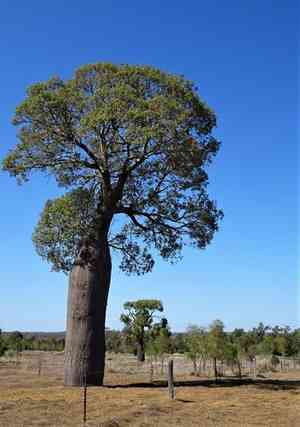
Recognized for its enlarged stem and ability to withstand arid conditions, the queensland bottle tree thrives with regular trimming to preserve its form and vitality. Eliminate deceased or intersecting limbs, reducing crowded sections to improve light exposure and airflow. Perform pruning in late winter or early spring while the tree is inactive to lessen sap leakage and strain. This practice encourages fresh development, enhances visual appeal, and can decrease susceptibility to illness. Particular care should be taken to avoid harming the distinctive trunk when shortening branches.
What Are the Benefits of Pruning Queensland Bottle Tree?
What Are the Benefits of Pruning Queensland Bottle Tree?
Trimming queensland bottle tree ensures robust development, preserving its unique shape. It fosters a strong, balanced canopy and prevents excessive growth that could cause structural problems.
What Is the Best Time for Pruning Queensland Bottle Tree?
What Is the Best Time for Pruning Queensland Bottle Tree?
Late winter is optimal for pruning queensland bottle tree as the plant is dormant, minimizing stress and sap loss that might attract pests. Early spring is also ideal, just before new growth begins, allowing the tree to recover faster and direct energy to new shoots. Pruning then helps shape queensland bottle tree and promotes a strong structure, removing dead or damaged wood before the tree invests resources in foliage. This timing also avoids cutting during active growth and blooming, which could negatively impact its health and development.
What Tools Do I Need to Prune Queensland Bottle Tree?
Hand Pruners
Perfect for cutting smaller branches up to 3/4 inches in diameter. As queensland bottle tree may have smaller branches for canopy shaping or dead wood removal, these are crucial.
Lopping Shears
Suitable for larger queensland bottle tree branches, 1 1/2 to 2 inches thick, offering greater leverage and a clean cut without harming the tree.
Pruning Saw
Essential for branches exceeding 2 inches. A saw with a curved or bow blade can provide precise cuts for the thicker, mature branches of queensland bottle tree.
Pole Pruner
For inaccessible higher branches, a pole pruner with a saw or lopper attachment can be beneficial, eliminating the need for unstable ladders when pruning queensland bottle tree.
Pruning Gloves
Protects hands from thorns and rough bark during queensland bottle tree pruning, ensuring safety throughout the process.
Secateurs
Excellent for precise cutting and shaping of queensland bottle tree, especially for smaller branches, to help control the tree's overall form.
How to Prune Queensland Bottle Tree
Step1: Assess Plant Health and Structure
Evaluate queensland bottle tree's overall health and structure before trimming. Identify any dead wood, diseased limbs, and weak branches requiring removal. Pruning is best done in late winter or early spring before new growth starts.
Step2: Sterilize Pruning Equipment
Clean and sanitize all pruning tools using a solution of one part bleach to nine parts water to prevent disease spread.
Step3: Prune Dead Wood
Begin with dead wood. Locate dead branches, which are typically dry, brittle, and lack leaves or buds. Make cuts at a 45-degree angle, about 1/4 inch above a healthy bud or branch junction. Ensure the cut is clean and doesn't tear the bark.
Step4: Remove Diseased Limbs
Proceed to any diseased limbs. Carefully inspect queensland bottle tree for disease signs, such as unusual coloration, leaf spots, or rot. Isolate these limbs and remove them completely, cutting back to healthy tissue well below the affected area.
Step5: Cut Away Weak Branches
Identify weak branches that might be too thin, crossing other limbs, or growing at poor angles, reducing queensland bottle tree's overall strength. Prune these branches at their origin point or to a side branch strong enough to take over growth.
Step6: Shape for Natural Form and Airflow
When shaping queensland bottle tree, focus on maintaining its natural form, a balanced appearance, and good air circulation among branches. Remove any branches that disrupt this form, ensuring no more than 1/3 of the canopy is removed in a single season to prevent stress on queensland bottle tree.
Step7: Make Clean Cuts without Stubs
Make all cuts smooth and close to the trunk or parent limb without leaving stubs. Avoid cutting into the trunk or removing the branch collar, as this can cause queensland bottle tree to heal poorly and lead to decay.
Step8: Dispose of Pruning Debris
After pruning, carefully collect and discard all removed material, especially diseased limbs, to prevent the spread of pests or diseases.
Step9: Monitor Plant Post-Pruning
Monitor queensland bottle tree after pruning for signs of stress or disease. Provide adequate water, mulch, and possibly a slow-release fertilizer to support queensland bottle tree's recovery and new growth.
Post-Pruning Care for Queensland Bottle Tree
Post-Pruning Care for Queensland Bottle Tree
Immediately after pruning, queensland bottle tree needs ample water to aid healing. Place the plant in partial shade to lessen stress. Ensure stable humidity and temperature, avoiding extremes. Apply a balanced, slow-release fertilizer to assist recovery. Watch for wilting, discoloration, or sap oozing, indicating stress or infection. If symptoms appear, adjust care promptly, considering expert advice for severe cases to preserve plant health.
Common Pruning Mistakes with Queensland Bottle Tree
Over-Pruning Stress
Excessive pruning of queensland bottle tree, which can stress the tree, leading to poor health or reduced vigor.
Unclean Tool Disease Risk
Failing to sterilize pruning tools before use, which increases the risk of disease transmission to queensland bottle tree.
Improper Branch Cutting Technique
Cutting branches flush to the trunk, which can hinder queensland bottle tree's natural healing process and may invite pests or decay.
Disregarding Plant's Natural Shape
Ignoring the natural shape of queensland bottle tree when pruning, which can result in an unnatural appearance and potentially weaken its structure.
Pruning Without Clear Objective
Pruning without a clear goal, which can lead to unnecessary cutting and potential damage to queensland bottle tree.
Common Pruning Tips for Queensland Bottle Tree
Correct Pruning Cut Positioning
Ensure pruning cuts are made just above the branch collar for proper healing of queensland bottle tree's wounds.
Use of Sharp, Sterilized Tools
Use sharp and clean pruning tools to make precise cuts, reducing the chance of disease and damage to queensland bottle tree.
Pruning Dead, Damaged Branches
Remove only dead, damaged, or diseased branches to maintain the health and aesthetic of queensland bottle tree.
Adhering to Plant's Growth Habit
Follow the natural growth habit of queensland bottle tree to encourage structurally sound and visually appealing growth.
Pre-Pruning Objective Identification
Identify the objective of pruning beforehand—whether for shaping, removing deadwood, or improving the tree's structure—to guide the approach for queensland bottle tree.
Making Clean, Smooth Cuts
Ensure all cuts are clean and smooth to promote rapid healing for queensland bottle tree.
Directional Pruning Technique
When shortening branches, make the cut at a lateral branch or bud that points in the desired direction of growth for queensland bottle tree.



