How to Prune Illawarra flame tree?
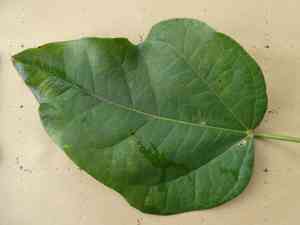
Renowned for its vibrant crimson blossoms and expansive, lustrous foliage, illawarra flame tree is a magnificent indigenous Australian species. Trimming practices ought to concentrate on excising lifeless or ailing branches, sculpting its form, and managing its dimensions. Execute this upkeep in late winter or early spring, while the plant is dormant yet immediately preceding its active growth phase. Pruning illawarra flame tree fosters a sturdy framework, has the potential to induce blooming, and elevates the tree's visual appeal. It is imperative to sanitize implements to avert the spread of pathogens and to trim judiciously to prevent undue strain.
What Are the Benefits of Pruning Illawarra Flame Tree?
What Are the Benefits of Pruning Illawarra Flame Tree?
Trimming illawarra flame tree promotes vigorous development and helps preserve its attractive shape. Strategic cutting back encourages new shoots and keeps the tree's dimensions manageable, ensuring a vibrant display and a neat outline.
What Is the Best Time for Pruning Illawarra Flame Tree?
What Is the Best Time for Pruning Illawarra Flame Tree?
Late winter and early spring are the ideal periods for pruning illawarra flame tree due to several factors related to the plant's growth cycle and health. During late winter, illawarra flame tree is dormant, having shed its leaves, which makes it easier to view the plant's structure for selective trimming. This timing also prevents the stress that can occur if pruning is done during active growth phases. Additionally, pruning in late winter minimizes the risk of disease transmission and pest infestation, as pathogens and pests are less active during colder weather. Early spring is also favorable because it precedes the rapid growth period, ensuring that any cuts made will heal quickly, reducing exposure to diseases. Pruning at this time also allows shaping of illawarra flame tree before the new foliage emerges, thus supporting a healthier and more aesthetically pleasing growth habit without interrupting its flowering period, which typically occurs in late spring to early summer.
What Tools Do I Need to Prune Illawarra Flame Tree?
Bypass Pruners
Perfect for making precise cuts on young or slender branches of illawarra flame tree, bypass pruners create clean cuts without crushing plant tissues. Recommended for branches up to 3/4 inch in diameter.
Lopping Shears
Equipped with long handles for increased leverage, lopping shears are suitable for cutting through thicker branches, typically up to 1 1/2 inches in diameter, without harming illawarra flame tree.
Pruning Saws
For mature branches exceeding 1 1/2 inches in diameter, a pruning saw with sharp teeth is essential to cut through the wood of illawarra flame tree effectively and cleanly.
Pole Pruners
When dealing with higher branches of illawarra flame tree that are out of reach, pole pruners allow for the safe trimming of branches without the need for a ladder. They can typically cut branches up to 1 1/4 inches in diameter.
Gloves
High-quality, durable gloves protect hands from scratches and cuts while pruning illawarra flame tree, which is particularly important given its height and branching structure.
How to Prune Illawarra Flame Tree
Clean And Disinfect Tools
Before beginning, ensure all pruning tools are clean and disinfected to prevent illawarra flame tree's disease spread.
Remove Dead Branches
Identify and carefully remove any dead branches from illawarra flame tree, cutting at the base where they meet healthy wood, using clean, sharp secateurs or a pruning saw for larger limbs.
Cut Diseased Branches
Carefully remove diseased branches from illawarra flame tree, ensuring to cut several centimeters into healthy tissue to fully remove any infected material.
Smooth Cut Surfaces
After cutting, smooth the edges of the cut surfaces to facilitate healing and prevent further disease entry points on illawarra flame tree.
Dispose Of Waste Properly
Dispose of pruned material from illawarra flame tree by burning or binning to avoid spread of diseases. Do not compost diseased matter.
Common Pruning Mistakes with Illawarra Flame Tree
Over-Pruning
Removing too much foliage at once, which can stress illawarra flame tree and hinder its natural growth and flowering patterns.
Improper Cuts
Making cuts that are either too close or too far from the trunk can leave illawarra flame tree prone to diseases and pests.
Tear Wounds
Using blunt or inappropriate tools that can tear the bark and cause jagged cuts, making recovery difficult for illawarra flame tree.
Neglecting Tool Hygiene
Not sterilizing pruning tools between uses, which can spread diseases from infected plants to healthy ones.
Pruning For Size Control
Attempting to drastically reduce the size of a mature illawarra flame tree, which can result in poor structure and reduced vitality.
Common Pruning Tips for Illawarra Flame Tree
Selective Thinning
Targeting specific branches for removal to improve light penetration and air circulation, which helps maintain illawarra flame tree's natural shape.
Correct Cutting Technique
Making clean cuts at a slight angle, away from the bud, to promote efficient healing and reduce the risk of disease.
Crown Lifting
Pruning lower branches to raise the overall canopy, making it easier to walk under illawarra flame tree and to perform other garden maintenance.
Removing Deadwood
Regularly cutting away dead or damaged branches, which helps prevent decay organisms from entering illawarra flame tree.
Post-Blooming Pruning
Removing old seed pods and spent flowers, which may encourage illawarra flame tree to allocate resources towards new growth and future flowering.



