How to Prune Paperflower?
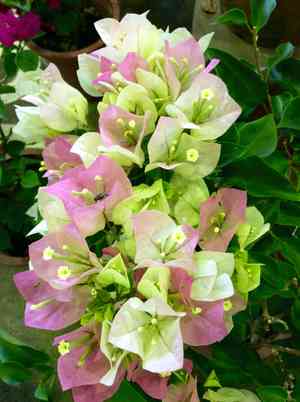
Known for its striking blossoms and robust development, paperflower is celebrated for its impressive appearance. To preserve its vitality and form, trim the plant following its blooming period, focusing on aged wood and excessively long stems to stimulate fresh development and subsequent flowers. The ideal period for trimming is either early spring or during its winter resting phase. Eliminate any deceased matter and internal clusters to foster better air movement, thereby boosting the plant's hardiness and floral production. Advantages of trimming encompass managing its dimensions, revitalizing its structure, and ensuring abundant flowering.
What Are the Benefits of Pruning Paperflower?
What Are the Benefits of Pruning Paperflower?
Trimming paperflower promotes abundant flowering by eliminating old growth and stimulating fresh, vibrant shoots. This action also aids in deterring pests and diseases by removing potentially infested or ailing branches, ensuring a healthier and more robust plant.
What Is the Best Time for Pruning Paperflower?
What Is the Best Time for Pruning Paperflower?
These periods are considered optimal because paperflower enters a dormant phase in winter, making it an appropriate time for significant pruning without stressing the plant. Early spring is also ideal as it precedes the main growth cycle, allowing paperflower to recover and channel energy into new development, which boosts flowering. Pruning during these times helps maintain plant form, encourages new growth and blooms, and prevents potential harm to the plant that could occur if pruned during active growth or flowering stages.
What Tools Do I Need to Prune Paperflower?
Bypass Pruners
Perfect for making precise cuts on paperflower's smaller branches, up to a half-inch in diameter. This type of pruner is suitable for the plant's slender stems and allows for accurate control, preventing unnecessary damage to the plant.
Loppers
Designed for cutting through thicker branches of paperflower, typically up to 1 1/2 inches in diameter. The extended handles provide leverage to cut through tough wood without straining the gardener's hands.
Pruning Saw
Crucial for removing paperflower's mature, woody stems, which can exceed the cutting capacity of loppers. A saw with fine teeth is best for making clean cuts on wood without tearing.
Gloves
An essential protective tool due to paperflower's thorns. Thick gloves can help prevent scratches and punctures while pruning.
Long-Sleeved Clothing
Wearing protective clothing is recommended when handling paperflower, to shield the skin from thorns. This attire acts as an additional barrier during the pruning process.
How to Prune Paperflower
Step1: Health and Structure Inspection
Evaluate paperflower's overall health and structure to pinpoint areas requiring pruning. Look for damaged stems, faded flowers, and weak or slender shoots, which indicate a need for trimming.
Step2: Preparing Pruning Shears
Utilize clean, sharp pruning shears to ensure precise cuts and to minimize injury to paperflower. Sanitize the shears with rubbing alcohol to prevent the spread of disease.
Step3: Dead Stem Removal
Begin by removing any dead or damaged stems. Cut these stems back to their origin or to the point where they meet healthy wood. Make the cuts at a 45-degree angle, approximately 1/4 inch above a leaf node or bud.
Step4: Wilted Flower Clipping
Trim wilted or spent flowers, which encourages new blooms and prevents paperflower from expending energy on seed production. Clip the flower stem just above the first full set of leaves beneath the faded flower.
Step5: Weak Sprout Trimming
Identify weak or spindly sprouts, which can deplete resources from more robust growth. Trim these weak sprouts back to their origin or to a junction with a stronger stem.
Step6: Shaping for Growth Management
Consider shaping paperflower for size and structure after removing the necessary parts. Laterally prune branches to encourage fuller growth and maintain desired form.
Step7: Post-Pruning Cleanup
After pruning, clean the work area and dispose of all trimmings to reduce the chance of pests or diseases affecting paperflower.
Step8: Post-Pruning Watering and Fertilization
Water paperflower thoroughly after pruning to aid recovery, and apply a balanced, slow-release fertilizer to promote healthy regrowth.
Step9: Ongoing Growth Monitoring
Continuously monitor paperflower for new growths that may require additional pruning and for signs of stress or disease, addressing them promptly to maintain the plant's health.
Post-Pruning Care for Paperflower
Post-Pruning Care for Paperflower
Following paperflower pruning, promptly water the soil to aid healing. Maintain bright, indirect light and stable temperatures of 65-75°F, avoiding direct sun exposure that can stress the plant. Ensure adequate humidity to support new growth. Apply a balanced, slow-release fertilizer to replenish nutrients without overfeeding, which could harm tender shoots. Regularly inspect for wilting or discolored leaves and signs of infection. If detected, isolate paperflower and treat with appropriate fungicides or pest control methods.
Common Pruning Mistakes with Paperflower
Over-pruning Can Shock and Reduce Blooming
Pruning too severely which can shock paperflower plants and may reduce flowering, as paperflower flowers on new growth. Severe pruning should be done carefully and not too late in the growing season.
Removing Lateral Branches Limits Flowering Sites
Cutting off all the lateral branches and leaving only main stems, which may limit the number of potential flowering sites since paperflower blooms on the current season's growth.
Failing to Remove Dead or Diseased Wood
Neglecting to remove dead or diseased wood, which can invite pests and diseases, and also detract from the plant's appearance.
Ignoring Weak Growth Compromises Vigor and Blooming
Ignoring the removal of weak or spindly growth, which can lead to a less vigorous plant and suboptimal flowering.
Using Dirty Pruning Tools Risks Spreading Disease
Overlooking the importance of using clean pruning tools, which can spread disease among paperflower plants or cause jagged cuts that do not heal well.
Common Pruning Tips for Paperflower
Use Sharp, Clean Shears for Healthy Cuts
Utilize sharp and clean pruning shears to make clean cuts, which help prevent disease transmission and facilitate quicker healing for paperflower.
Shape Plant by Pruning Overgrown Branches
Focus on shaping paperflower during pruning by removing wayward or overgrown branches, which encourages a more desirable growth pattern and enhances blooming.
Thin Dense Areas for Light and Reduced Disease Risk
Thin out dense areas to allow light and air to reach the interior of the paperflower, promoting healthy growth and reducing disease risk.
Prune Stem Tips for Denser Foliage and More Blooms
Prune the tips of the stems, which can stimulate new growth and lead to denser foliage and more blossoms on paperflower.
Cut Above Nodes to Direct New Growth and Maintain Shape
Cut just above a leaf node or bud to encourage new growth in the desired direction, keeping the natural shape of paperflower in mind.



